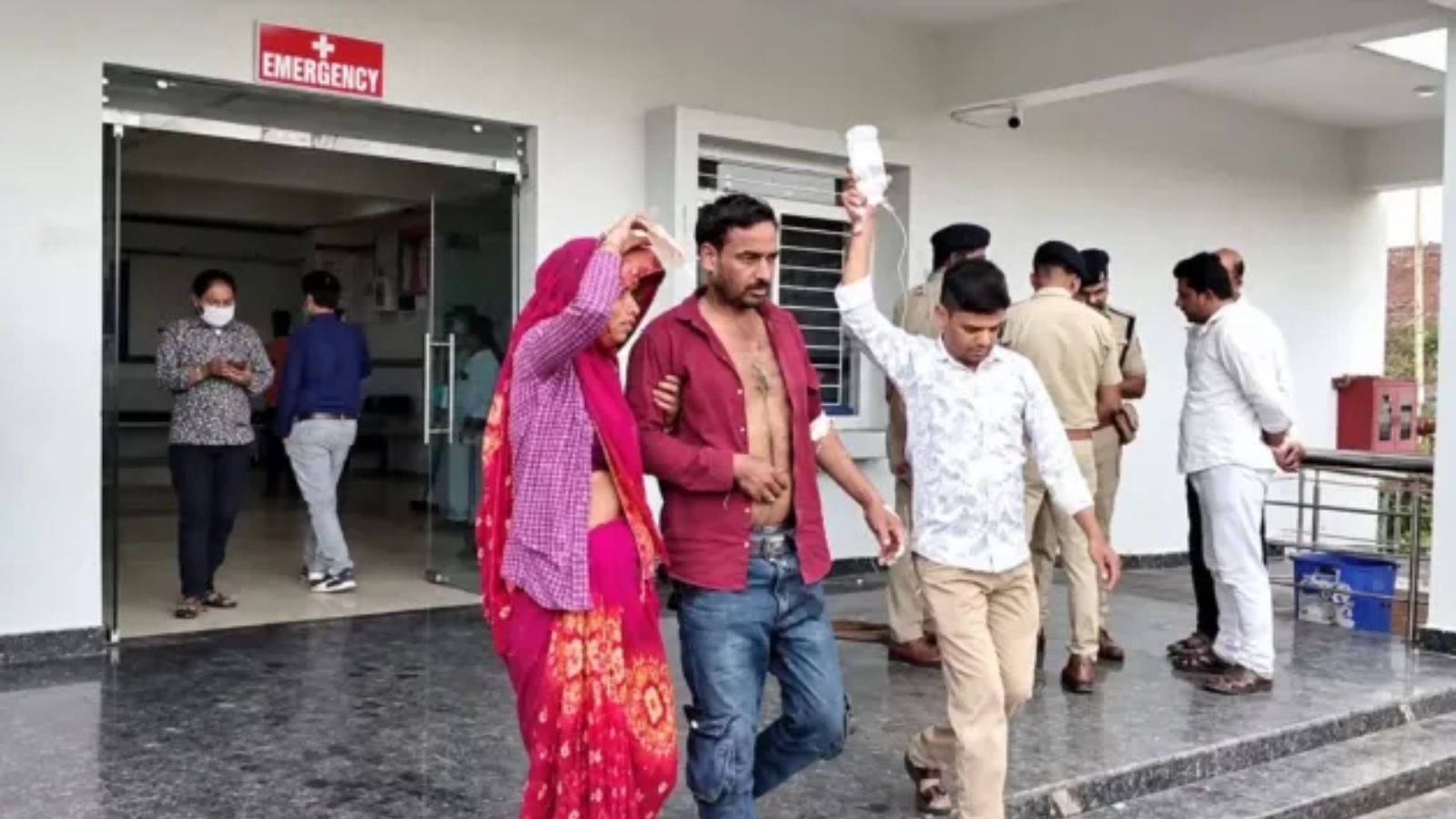
A series of contradictory orders by the Madhya Pradesh Excise Department has emerged following the death of 12 people in Sagar due to suspected spurious liquor. Investigations reveal that officials failed to conduct field inspections, relying instead on mere photographs.
- 12 deaths reported in Sagar, MP, due to suspected consumption of illicit liquor.
- Excise Department issued conflicting orders: first to seize stock, then to cease all action within hours.
- Officials relied on bottle photographs for verification instead of physical field inspections.
- Interstate supply chain linked to Lalitpur, Uttar Pradesh, under investigation.
- Four officials suspended following the tragedy.
The death toll in the Sagar spurious liquor tragedy has reached 12, uncovering a disturbing pattern of administrative negligence within the Madhya Pradesh Excise Department. New revelations suggest that the department's threat assessment regarding the 'Sagar Gold' liquor brand underwent suspicious shifts just as the crisis was unfolding.
According to internal documents, the department's stance moved from high alert to complete inaction in a matter of hours. Initially, officials were directed to halt the sale of the suspected brand, seize all existing stock, and submit samples for forensic testing. However, in a startling reversal, a revised order was issued stating that "no other action is required," citing a negligible presence of the brand in the district.
Why This Matters
BozokMedia analysis shows that this is not merely a case of accidental poisoning but a systemic failure of regulatory oversight. The decision to bypass physical field verification in favor of superficial visual inspections of packaging represents a catastrophic breakdown in the duty of care owed to the public. Such administrative flip-flops directly contribute to the unchecked spread of lethal counterfeit products.
Excise Commissioner Deepak Saxena admitted that officials relied on photographs of the bottles to establish authenticity rather than conducting essential field verifications.
The timeline of warnings is particularly damning. A newspaper report on September 3rd raised concerns about liquor quality. By September 5th, a government warehouse report claimed the 'Bombay Whiskey' bottles met packaging standards. However, this assessment was based on a cursory examination of a few bottles rather than a comprehensive investigation into the supply chain or chemical composition.
As deaths began to mount on September 6th, the police investigation uncovered a suspected interstate supply network stretching into Lalitpur, Uttar Pradesh. Currently, 14 out of 30 accused individuals have been arrested, and three FIRs have been registered by the victims' families. The government has also ordered a high-level inquiry into the lapse.
Historical Background: The Menace of Spurious Liquor
Spurious liquor consumption has long been a recurring tragedy in various parts of India. Often involving the distillation of methanol, these illicit operations target vulnerable populations with low-cost, toxic alternatives. The failure of regulatory bodies to intercept these supplies often leads to mass casualty events that strain the healthcare and legal systems.
Frequently Asked Questions
1. What was the primary error made by the Excise officials?
The officials failed to conduct field inspections and instead verified the liquor's authenticity based solely on photographs of the bottles.
2. Where does the illegal liquor supply originate from?
Preliminary police investigations have traced the suspected supply chain to Lalitpur in Uttar Pradesh.
