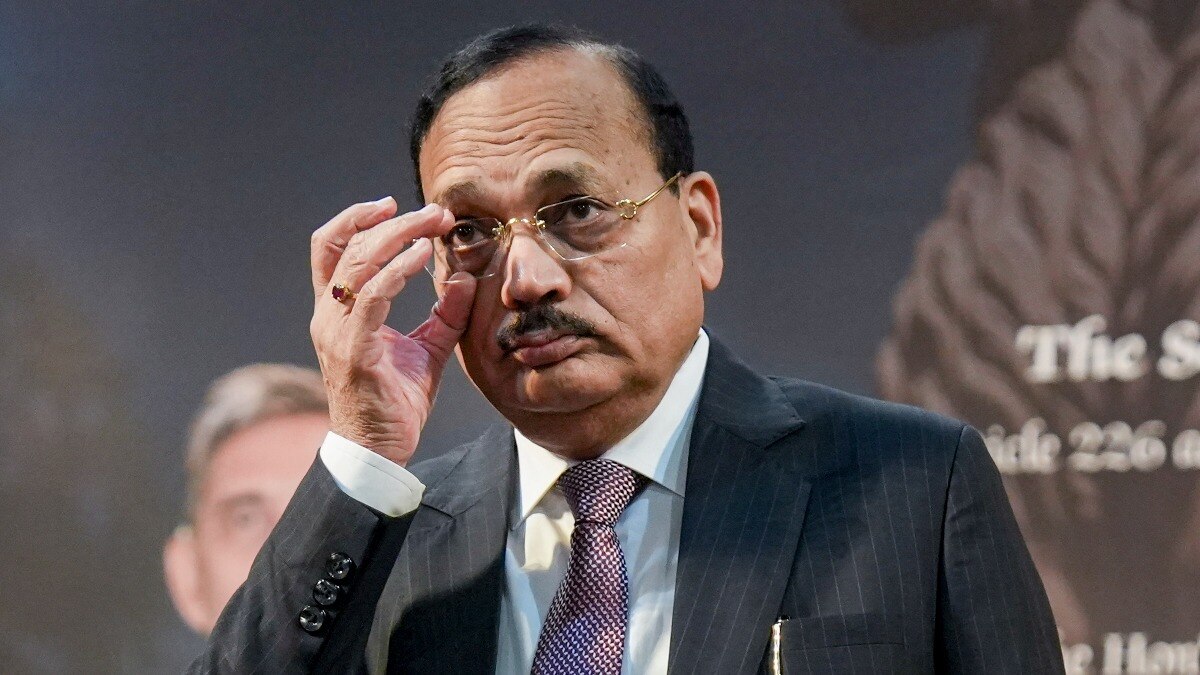
The Supreme Court has suspended the life imprisonment sentence of NSCN-IM insurgent Hopeson Ningshen, who was convicted in the 2009 triple murder of Manipur officials. The court cited his 17-year incarceration and pending appeal as key factors.
- The Supreme Court suspended the life sentence of NSCN-IM's self-styled lieutenant colonel, Hopeson Ningshen.
- The case involves the 2009 abduction and murder of three government officials in Manipur.
- The bench noted that Ningshen has already served over 17 years in custody.
- Ningshen is ordered to remain within Delhi until his appeal is decided.
In a significant legal development, the Supreme Court of India on Monday suspended the life imprisonment sentence of Hopeson Ningshen, a self-styled lieutenant colonel of the National Socialist Council of Nagaland (Isak-Muivah) or NSCN-IM. Ningshen was convicted for the high-profile 2009 abduction and murder of three government officials in Manipur.
A bench comprising Justices M M Sundaresh and P B Varale arrived at this decision after observing that Ningshen has spent more than 17 years in judicial custody. The court emphasized that his appeal against the conviction is still awaiting a final hearing. As a precautionary measure, the bench directed that Ningshen must remain in Delhi and is prohibited from leaving the city until his appeal is officially decided.
Historical Background
The incident dates back to 2009, a period marked by intense regional volatility. The victims included Dr. Thingnam Kishan Singh (SDO, Kasom Khullen), Y Token Singh, and A Rajen Sarma. The abduction and subsequent discovery of their bodies near the banks of the Tuphau Kuki River triggered widespread communal tensions across Manipur. Due to the sensitive nature of the crime and fears of potential retaliatory attacks on the accused, the trial was transferred from Manipur to Delhi in 2010.
In 2014, a special CBI court sentenced Ningshen to life imprisonment and imposed a fine of Rs. 35,000 for the theft of the victims' belongings. The conviction was later upheld by the Delhi High Court in 2019, which had remarked that the nature of the offence warranted strict punishment and no leniency was required.
Why This Matters
BozokMedia analysis shows that this ruling highlights the critical tension between the severity of violent crimes and the procedural delays within the Indian judicial system. When an appellant spends nearly two decades in prison while waiting for a final verdict, the courts must navigate the thin line between upholding justice for victims and respecting the fundamental rights of the accused.
Legal analysts suggest that such suspensions are often a response to the disproportionate time served during the pendency of an appeal.
Frequently Asked Questions
1. Who were the victims in the 2009 Manipur case?
The victims were three government officials: Dr. Thingnam Kishan Singh, Y Token Singh, and A Rajen Sarma.
2. Is Hopeson Ningshen acquitted of all charges?
No, his sentence is merely suspended pending the final hearing of his appeal; his conviction remains on record.