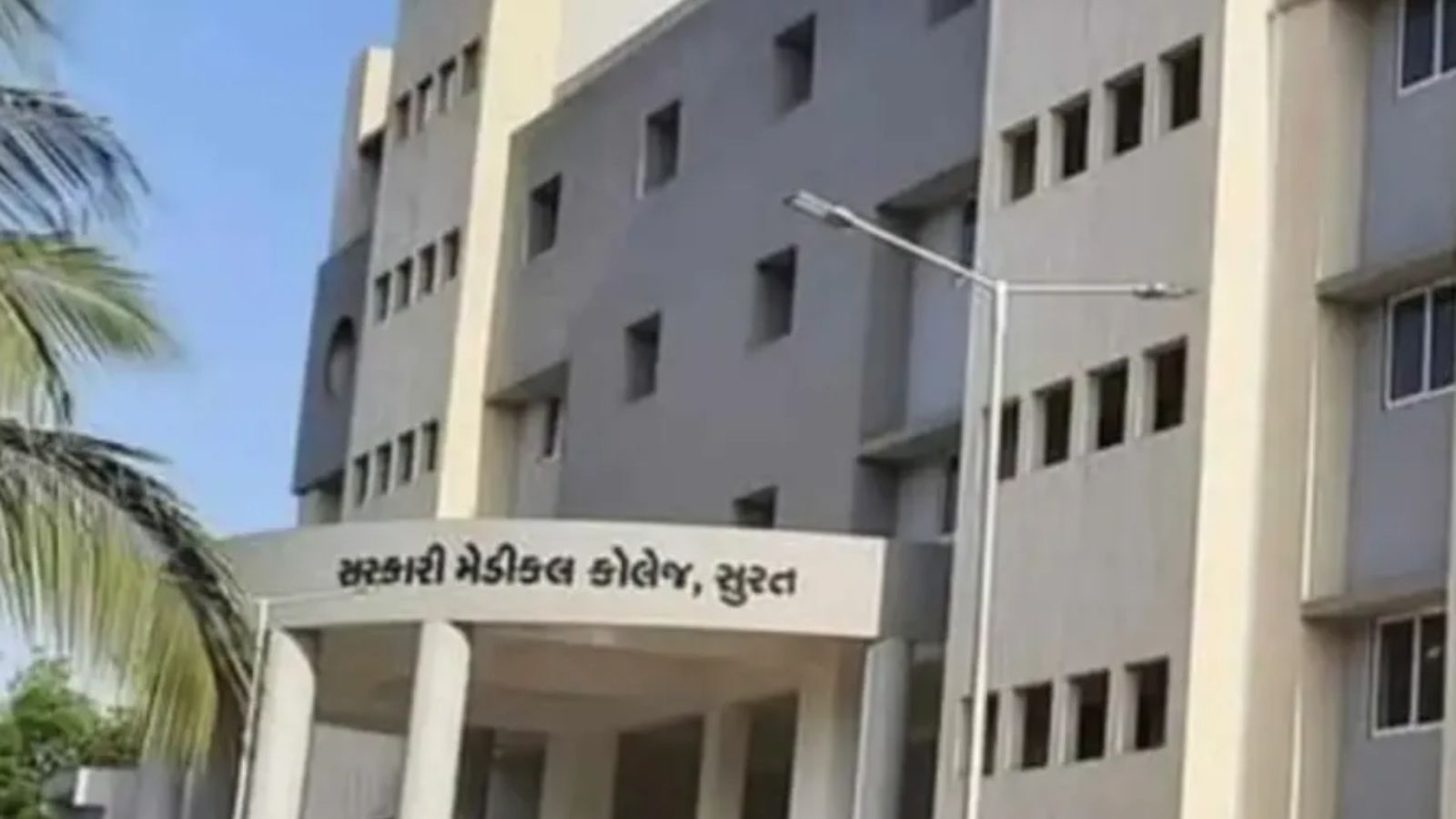
A Surat court has denied anticipatory bail to a second-year PG student involved in the alleged ragging and harassment that led to the suicide of Dr. Harsh Pandya.
- Surat Special Court rejected the anticipatory bail plea of a second-year PG student.
- The case involves the tragic suicide of first-year PG student Dr. Harsh Pandya in August.
- Accused students allegedly subjected juniors to mental and physical harassment.
- Charges include abetment of suicide and violations of the Atrocity Act.
In a significant development regarding the tragic death of a medical student in Gujarat, a Surat court has rejected the anticipatory bail application of a second-year postgraduate (PG) student at the Government Medical College (GMC), Surat. The student is accused of involvement in the mental and physical harassment of Dr. Harsh Pandya, a first-year PG student who allegedly died by suicide in August.
The decision was delivered by the court of Special Judge (Atrocity), P.A. Patel. This follows a similar rejection of a bail plea for another accused PG student in the same investigation. The legal proceedings underscore the gravity of the allegations involving systemic harassment within the medical institution.
Why This Matters
BozokMedia analysis shows that the rejection of bail in such high-profile academic harassment cases serves as a critical judicial signal. It highlights the judiciary's stance on zero tolerance toward ragging, emphasizing that academic seniority does not grant immunity from criminal accountability for bullying or harassment.
The judiciary's refusal to grant bail reinforces the necessity of strict enforcement of anti-ragging laws to protect the mental well-being of medical aspirants.
The investigation began after Dr. Shubhashchandra Pandya, the victim's father, filed a formal complaint on August 15 against four senior PG students. According to the complaint, the accused students used abusive language, insulted juniors in public, and forced them to perform menial tasks and sit on the floor for extended periods.
The internal anti-ragging committee at GMC, Surat, corroborated these claims, noting a pattern of behavior intended to humiliate junior students. Dr. Harsh Pandya reportedly succumbed to this continuous psychological pressure, leading to his death in his hostel room on August 9.
The local police have registered a stringent case under the Bharatiya Nyaya Sanhita (BNS), specifically sections 108 (abetment of suicide), 127(2) (wrongful confinement), and 352 (intentional insult to provoke breach of peace). Furthermore, the accused face charges under section 3(2)(v) of the Atrocity Act.
Historical Background
Ragging in Indian medical colleges has been a persistent issue despite the implementation of the Supreme Court-mandated anti-ragging guidelines. Over the years, several high-profile cases have led to the tightening of UGC regulations and the introduction of more rigorous criminal penalties to ensure campus safety.
Frequently Asked Questions
Question 1: What were the specific allegations against the PG students?
Answer: The students were accused of using abusive language, forcing juniors to perform menial tasks, and inflicting mental and physical harassment.
Question 2: What legal sections have been applied in this case?
Answer: The accused are booked under BNS sections 108, 127(2), 352, and the Atrocity Act.