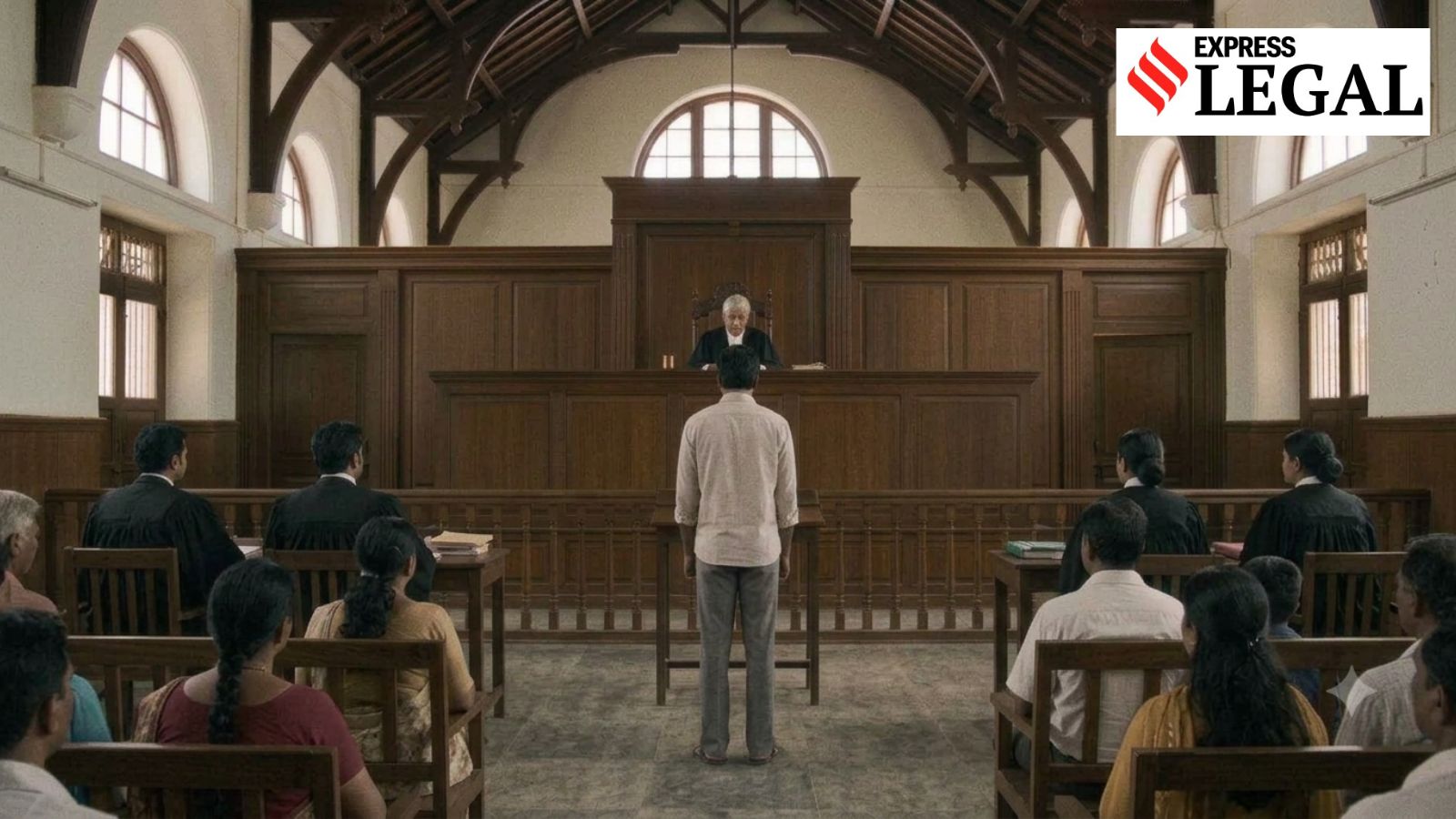
The Allahabad High Court has rejected the bail application of the prime accused in the Bareilly violence case. The court observed that slogans inciting rebellion and threatening beheading pose a direct challenge to the sovereignty of India.
- The Allahabad High Court denied bail to the prime accused in the September 26, 2025, Bareilly violence case.
- The court ruled that slogans inciting armed rebellion and beheadings threaten national sovereignty.
- The bench distinguished between religious devotion and slogans aimed at challenging the rule of law.
In a significant ruling, the Allahabad High Court has rejected the bail plea of the primary accused involved in the Bareilly violence case that occurred on September 26, 2025. A single bench of the court emphasized the gravity of the incident, noting that the nature of the slogans used during the unrest constitutes a direct challenge to the sovereignty and integrity of India.
The court scrutinized the specific allegations regarding the use of inflammatory chants. According to the prosecution, the accused and others involved used slogans that incited violent rebellion, called for taking up arms, and even included threats of beheading. The bench observed that such rhetoric goes far beyond peaceful protest and enters the realm of criminal incitement against the state.
The Limits of Free Speech
A crucial aspect of the judgment lies in the court's interpretation of constitutional rights. The bench clarified that the right to freedom of speech and expression cannot be invoked to protect actions or words that aim to undermine the authority of the law. The court made a sharp distinction between religious slogans expressed out of devotion and slogans intended to provoke violent insurrection.
Freedom of speech is a fundamental right, but it cannot serve as a shield for those attempting to dismantle the rule of law or threaten national sovereignty.
BozokMedia analysis shows that this ruling sets a high legal precedent for handling cases involving communal or political unrest. By categorizing such incitement as a threat to sovereignty, the judiciary is reinforcing the primacy of national security over individual liberties in cases of extreme volatility.
Historical Background
The Bareilly violence of September 2025 remains a deeply sensitive issue in the state of Uttar Pradesh. The incident sparked widespread concern regarding public order and the potential for organized insurrection. Law enforcement agencies have been working to identify all perpetrators involved in the coordinated efforts to disrupt peace in the region.
Why This Matters
This decision is pivotal for the Indian legal landscape as it addresses the delicate balance between democratic rights and the necessity of maintaining a stable, sovereign state. It sends a clear message to groups attempting to use public demonstrations as a cover for violent activities.
Frequently Asked Questions
1. Why did the court refuse bail?
The court cited the extreme gravity of the allegations, specifically that the slogans used were an attempt to challenge the country's sovereignty and incite violence.
2. Does this affect religious freedom?
No, the court explicitly distinguished between religious slogans of devotion and slogans intended to incite rebellion and violence.