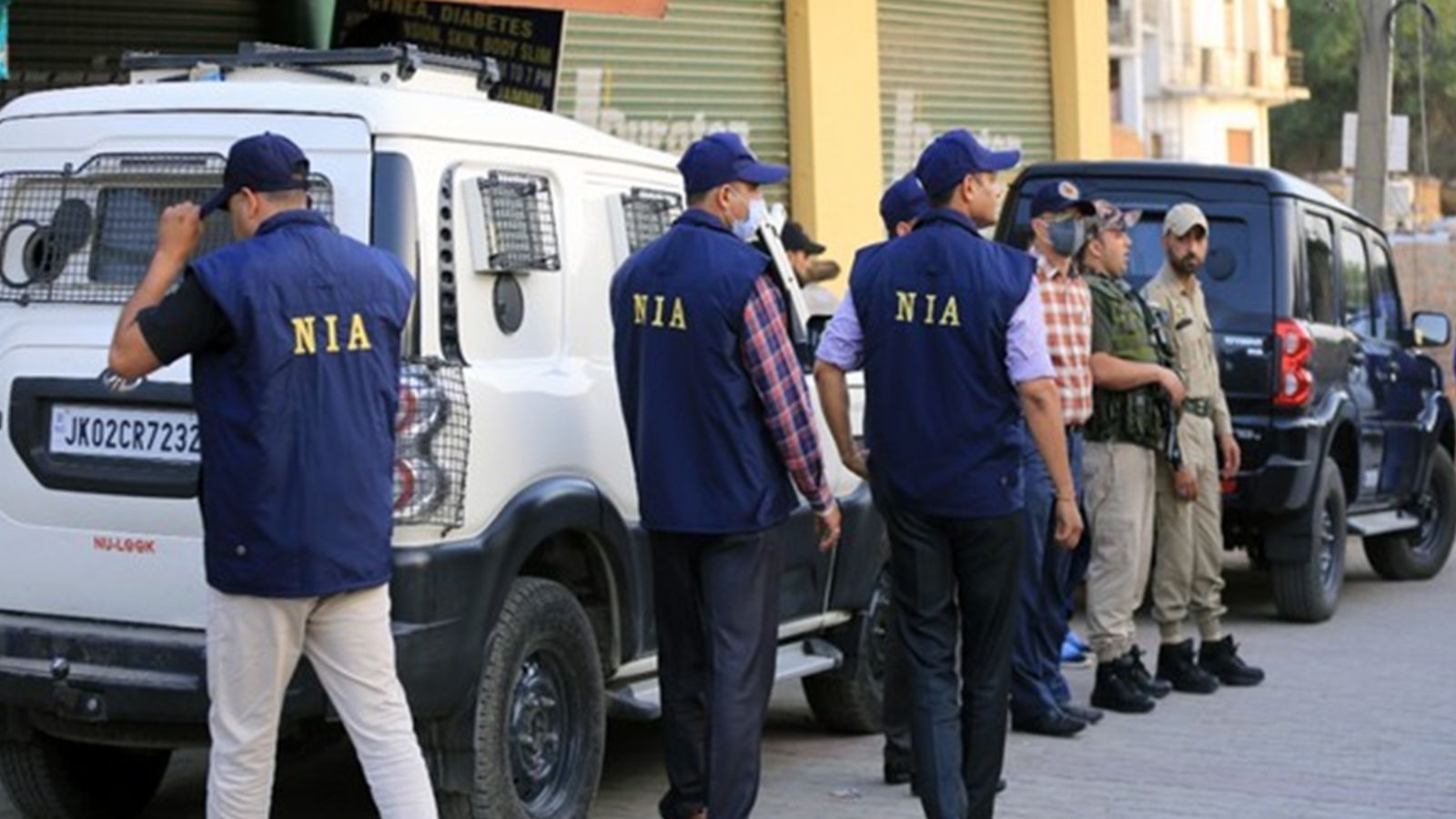
The Kochi City police have escalated charges to include the POCSO Act against two college students involved in circulating morphed images of teachers. Investigators discovered child pornographic content and a paid premium Telegram group during the probe.
- Two college students arrested for morphing and circulating teachers' images.
- POCSO Act invoked after discovery of child pornography on mobile devices.
- Discovery of a 'paid premium' Telegram group used for illegal circulation.
- Police warning to private bus operators regarding employee verification.
The Kochi City Police have intensified their legal action in a disturbing case of digital harassment, invoking the Protection of Children from Sexual Offences (POCSO) Act against two college students. The accused are alleged to have morphed and circulated explicit photographs of female teachers from a college in Ernakulam.
District Police Chief (Kochi City) S. Kaliraj Mahesh Kumar revealed on Tuesday that the decision to add POCSO charges came after a digital forensic examination of the suspects' mobile phones. The investigators found child pornographic content, which shifted the nature of the crime from simple defamation and morphing to a severe offense under child protection laws.
The arrested individuals have been identified as Sanesh (20), a BCom student from IHRD College, Mavelikkara, and Sreehari V.S., a second-year BBA student. Both were linked to a network of Telegram groups designed for the distribution of illicit morphed imagery.
Why This Matters
BozokMedia analysis shows that the emergence of 'paid premium groups' for the circulation of morphed content indicates a dangerous monetization of cyber-harassment. This shift suggests that these crimes are no longer isolated incidents of 'peer mischief' but are evolving into organized digital rackets. It highlights a critical need for stringent digital literacy and ethical guidelines within higher education institutions.
"The intersection of AI-driven morphing and encrypted messaging apps creates a sanctuary for predators, making rapid police intervention and strict laws like POCSO essential."
The police have not ruled out the possibility of more accomplices being involved in this network. In a separate but related caution, Mr. Mahesh Kumar urged private bus operators to implement mandatory police clearance and background checks for employees to prevent similar criminal tendencies in public transport sectors.
Frequently Asked Questions
1. Why was the POCSO Act invoked in this case?
The act was invoked because child pornographic material was discovered on the suspects' phones during the investigation.
Unlike free groups, the paid premium group was used as a restricted channel to circulate illicit content for a fee, indicating a commercial motive.