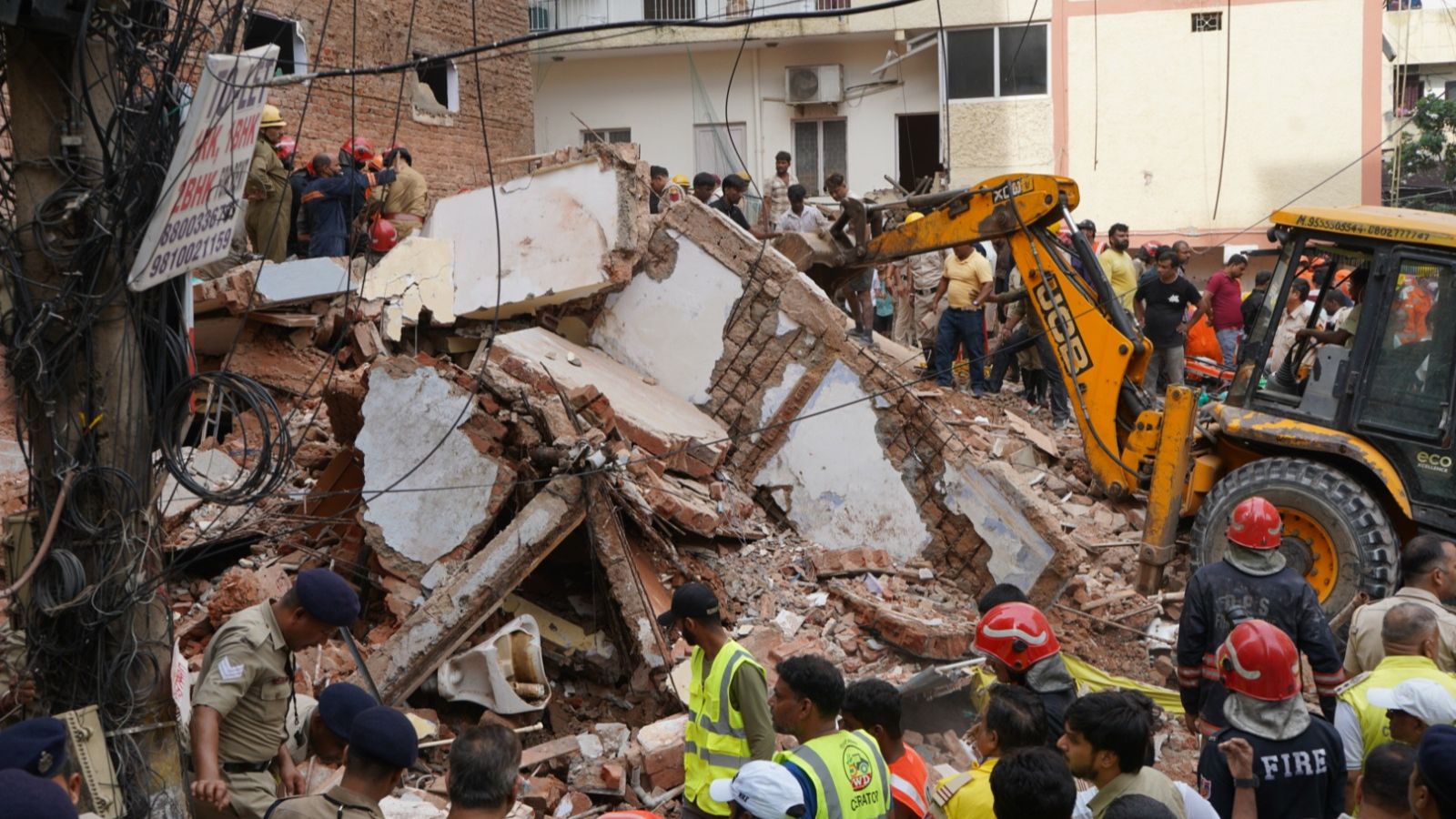
Following the tragic building collapse in Satya Niketan, the Supreme Court-appointed amicus curiae has called for an urgent, time-bound safety audit of all PG accommodations and private hostels across Delhi.
- Amicus curiae urges a time-bound safety audit of all student housing near Delhi universities.
- Unauthorised construction and changes in land use identified as major risks.
- The Satya Niketan incident highlights failures in existing building bye-law enforcement.
- Committee has already found unsafe structures in Lajpat Nagar and Saket.
In the wake of the devastating building collapse in Satya Niketan, which claimed seven lives, the Supreme Court-appointed amicus curiae, Senior Advocate Ajit Kumar Sinha, has urged the court to mandate a sweeping safety audit of all student accommodations in Delhi. The request seeks to cover PG accommodations, private hostels, and other residential establishments situated near major colleges and universities.
The status report filed by the amicus points out a critical gap in the current inspection process. While the Supreme Court had already constituted a committee to inspect buildings in Lajpat Nagar, Saket, and Malviya Nagar, the Satya Niketan area—a massive hub for students near Delhi University South Campus—was not within the initial scope of inspection. The report emphasizes that the area is densely packed with PGs, hostels, and commercial eateries operating out of residential structures.
Why This Matters
BozokMedia analysis shows that the rapid commercialization of residential zones to cater to the massive student influx in Delhi has created a structural nightmare. When residential buildings are modified to accommodate multiple tenants without adhering to sanctioned plans, the structural integrity is compromised, leading to catastrophic failures like the one seen in Satya Niketan.
The recurrence of such incidents in the same locality raises serious concerns regarding the effectiveness of existing mechanisms for identifying dangerous structures.
The amicus highlighted that many of these establishments operate from residential properties that have undergone illegal additions, alterations, or changes in use. The report demands a rigorous verification process covering sanctioned building plans, actual number of floors, basement alterations, structural safety, and fire-safety compliance.
Preliminary investigations into the Satya Niketan tragedy suggest that construction-related work was being conducted near the basement, compounded by reports of waterlogging immediately preceding the collapse. This underscores the danger of unauthorized basement modifications in high-density student hubs.
Historical Background
This is not an isolated tragedy for the locality. In April 2022, a similar building collapse occurred in Satya Niketan, resulting in two deaths and multiple injuries. The repetition of such fatal incidents suggests a systemic failure in enforcing building bye-laws and conducting regular safety inspections in student-heavy neighborhoods.
Frequently Asked Questions
1. What specific areas are currently under inspection?
The Supreme Court committee has already inspected Lajpat Nagar, Saket, and Saidulajab, finding several buildings to be in a precarious condition.
2. What will the proposed audit include?
The audit will focus on sanctioned plans, basement construction, fire safety, structural stability, and permissible land use.