The Delhi State Consumer Disputes Redressal Commission has ordered a public-sector insurer to pay Rs 51.12 lakh plus interest to a restaurant owner after unjustified deductions in a 2011 fire claim.
- Insurer ordered to pay ₹51.12 lakh plus 6% annual interest.
- Commission rejected 75% depreciation applied due to missing original invoices.
- Additional ₹1 lakh awarded for mental agony and ₹50,000 for litigation costs.
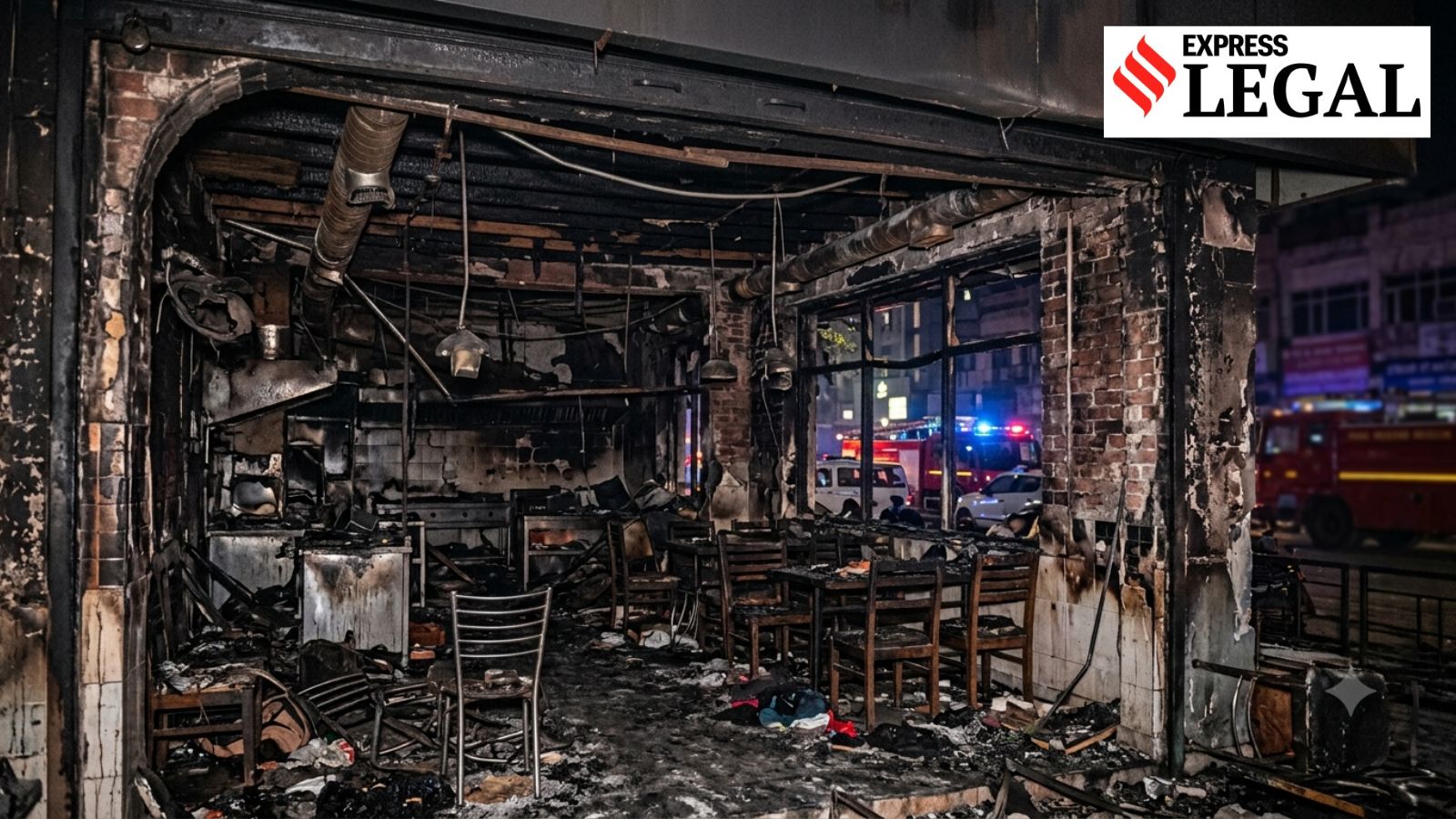
The Delhi State Consumer Disputes Redressal Commission has delivered a landmark judgment against a public-sector general insurance company, ruling that insurers cannot make arbitrary deductions without explicit policy justification. The case stems from a devastating fire in May 2011 that gutted M/s Tamba Indian Cuisine, a restaurant located in Rajouri Garden.
Presided over by Justice Sangita Dhingra Sehgal and member Bimla Kumari, the commission examined the complaint filed by proprietor Varun Agarwal against New India Assurance. The dispute centered on the settlement amount, which Agarwal claimed was drastically undervalued compared to the actual loss.
The Core Dispute: Depreciation and Documentation
The insurer had applied a staggering 75% depreciation to several damaged items, citing the lack of original purchase bills, which had been destroyed in the fire. The insurer assessed the loss on a "Market Value Basis" rather than a "Reinstated Basis." However, the commission noted that Agarwal had provided certified copies of invoices from suppliers, fulfilling the evidentiary requirement.
BozokMedia analysis shows that this ruling serves as a critical deterrent against the practice of insurers using "missing documentation" as a loophole to minimize payouts. It reinforces the principle that the burden of proof for deductions lies with the insurer, and such deductions must be rooted in the written policy terms, not the surveyor's discretion.
Insurance contracts are based on utmost good faith; applying arbitrary depreciation without a policy clause is a clear deficiency in service.
A key legal battle in this case was whether the restaurant owner qualified as a "consumer." The insurer argued that since the policy was for a commercial establishment, the Consumer Protection Act did not apply. The commission dismissed this, ruling that because the complainant earned his livelihood from the establishment, he was entitled to consumer protection.
| Detail | Insurer's Position | Commission's Ruling |
|---|---|---|
| Valuation Basis | Market Value Basis | Reinstated Basis |
| Depreciation | 75% (due to lack of bills) | Rejected (No policy clause found) |
| Total Payout | Minimal partial payments | ₹51.12 Lakh + Interest + Damages |
Frequently Asked Questions
Q1: Can an insurance claim be denied if original bills are destroyed in a fire?
A: No. If the insured can provide certified copies from suppliers or other credible evidence, the insurer cannot arbitrarily slash the claim amount.
Q2: What additional compensation was awarded in this case?
A: Besides the claim amount of ₹51.12 lakh and 6% interest, the insurer was ordered to pay ₹1 lakh for mental harassment and ₹50,000 for legal costs.