The Supreme Court of India has dismissed suggestions that Rahul Gandhi's political stature caused delays in his army defamation case, asserting that all legal matters are treated with absolute equality.
- The Supreme Court asserted that no preferential treatment is given based on an individual's stature.
- The case stems from 2020 remarks regarding Chinese soldiers and the Indian Army.
- Petitioner's counsel requested the case be 'de-tagged' from other defamation matters for a faster trial.
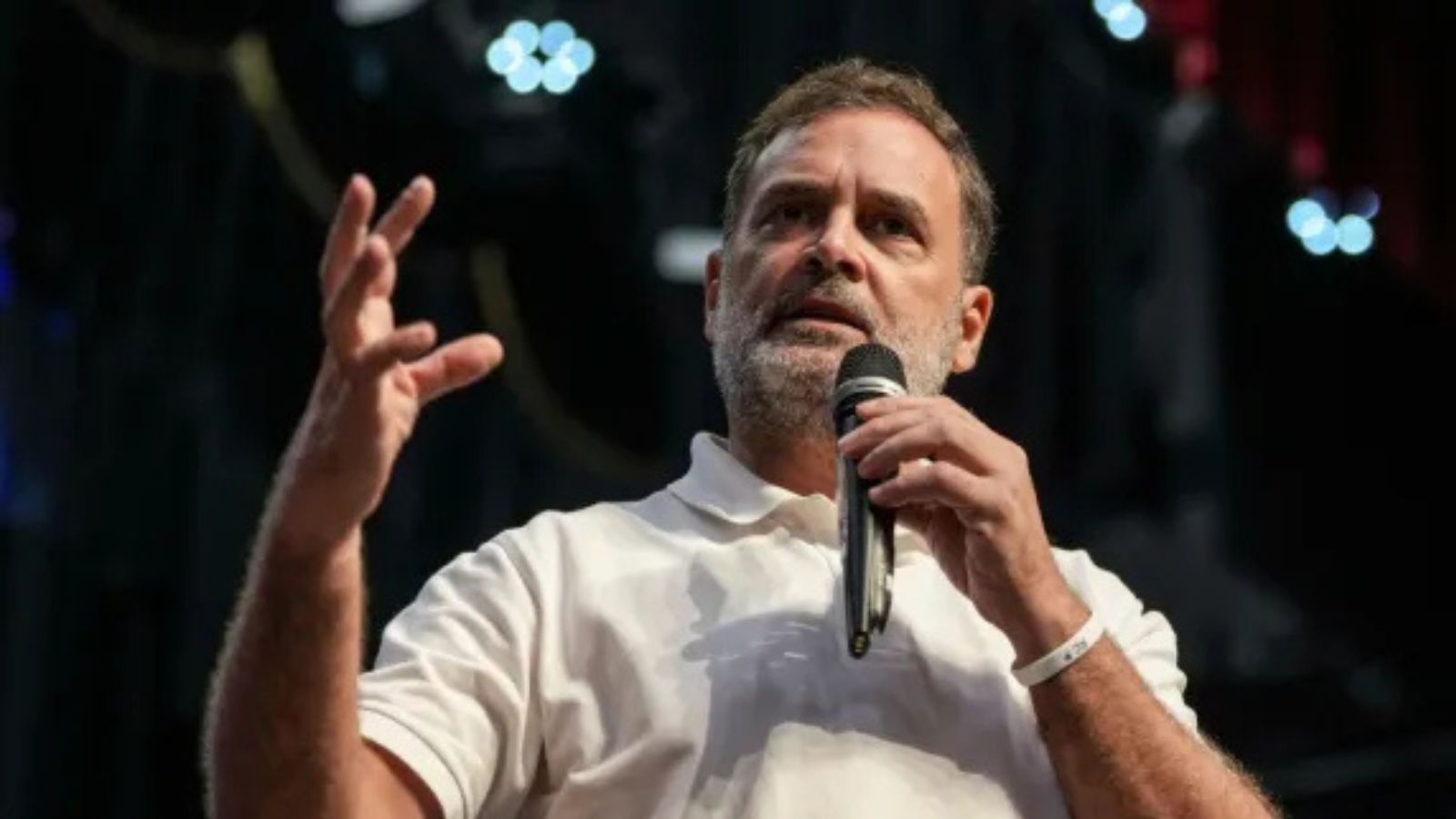
New Delhi: In a firm response to allegations of judicial delay, the Supreme Court (SC) on Wednesday informed a petitioner that all matters brought before the apex court are "treated equally." The statement came during a hearing regarding a defamation case filed against Leader of Opposition Rahul Gandhi.
The legal battle originates from alleged remarks made by the Congress leader in 2020, claiming that "Chinese soldiers are beating up Indian Army personnel." This triggered a complaint by Uday Shankar Srivastava, the former Director of the Border Roads Organisation (BRO), who alleged that the comments defamed the institution of the Indian Army.
Why This Matters
BozokMedia analysis shows that this case is a litmus test for the Indian judiciary's image of impartiality. When high-profile political figures are involved, any procedural lag is often interpreted by the public and opposing parties as a sign of preferential treatment, making the court's explicit clarification on 'equality' crucial for maintaining public trust.
Senior advocate Gaurav Bhatia, representing the petitioner, raised concerns that after the SC stayed proceedings in August 2025, the matter was scheduled for hearing in April 2026 but failed to be listed. He questioned whether the delay was a result of Gandhi's stature, stating that the trial in the Lucknow court was suffering as a consequence.
The integrity of the judicial process relies on the perceived and actual absence of bias, regardless of the social or political standing of the litigants.
Furthermore, Bhatia argued that the matter had been improperly 'tagged' with other criminal defamation cases involving The Wire news portal. He requested the court to 'de-tag' the army defamation matter to allow it to be heard on its own merits, noting that previous orders did not accurately reflect prior permissions to do so.
The three-judge bench, presided over by Chief Justice of India (CJI) Surya Kant and including Justices Joymalya Bagchi and V Mohana, directed the petitioner to file a formal application to officially request the de-tagging of the case.
Frequently Asked Questions
1. What was the core of the defamation complaint?
The complaint was based on Rahul Gandhi's 2020 statements regarding the clash between Indian and Chinese soldiers.
2. What was the court's final directive in this hearing?
The court instructed the petitioner's counsel to file a formal application for the de-tagging of the case from other related matters.