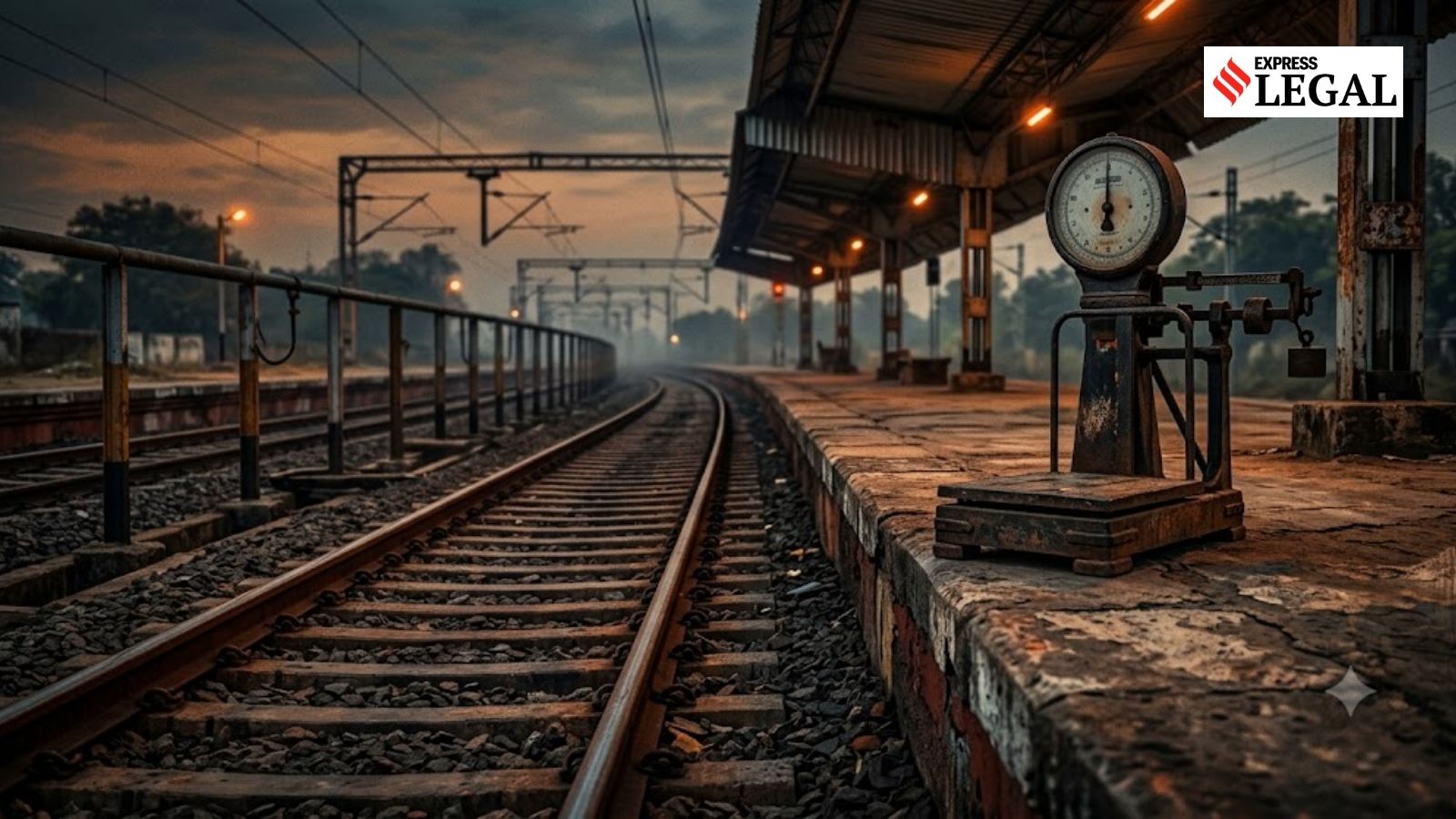
The Tripura High Court has expressed profound grief over the dilapidated state of NH 108B and NH 208, calling for a systemic audit of NHAI and NHIDCL due to suspected collusion between officials and contractors.
- Tripura HC orders systemic audit of NHAI and NHIDCL over crumbling national highways.
- Court flags possible collusion between officials and EPC contractors given the high cost per kilometer.
- BRO to conduct a final audit of repaired stretches by January 2027.
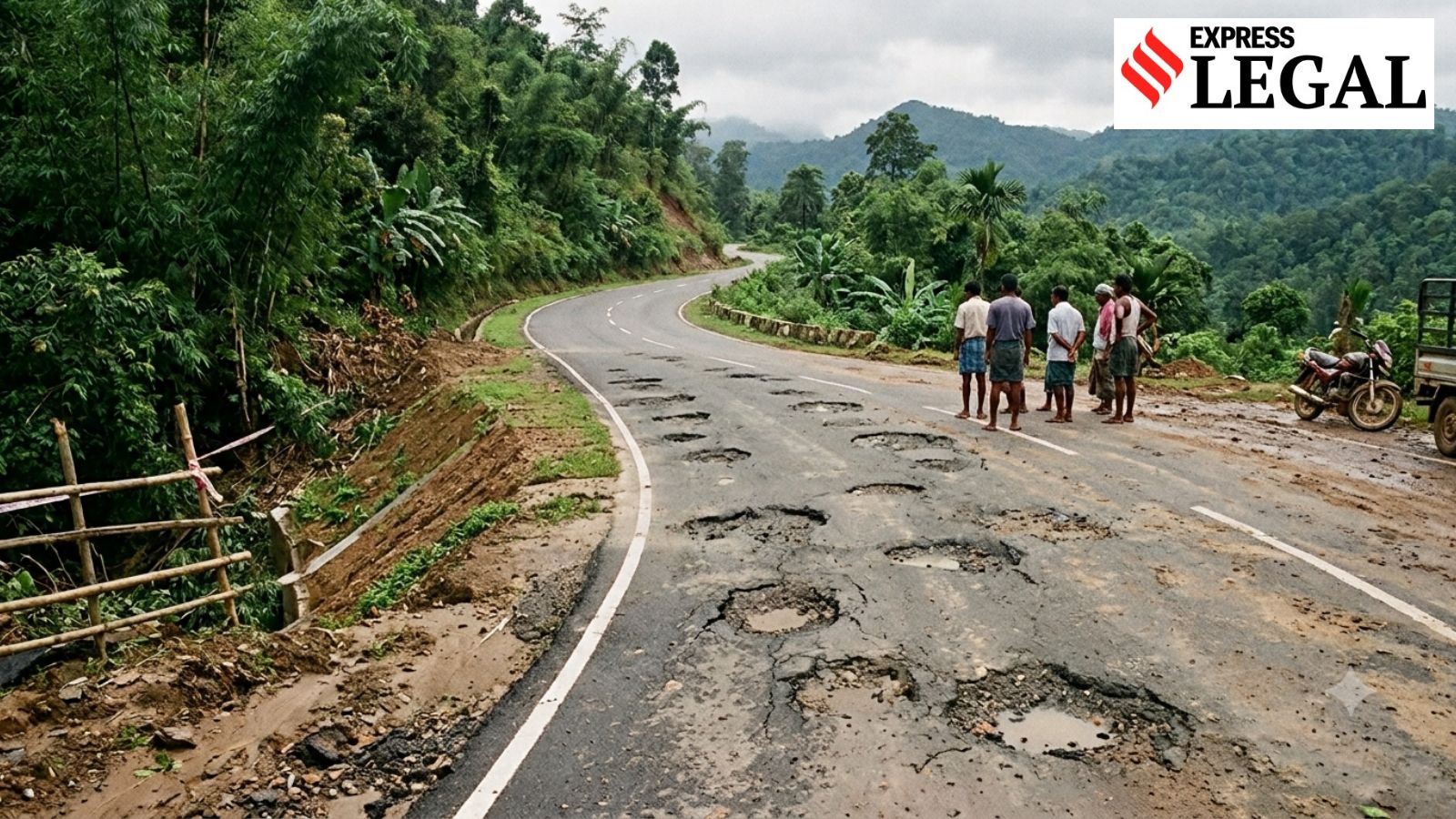
The Tripura High Court has taken a stern view of the "pitiable state" of stretches of NH 108B and NH 208, stating that it "feels sorry" for the citizens whose lives and livelihoods have been endangered. Presided over by Chief Justice M S Ramachandra Rao and Justice Biswajit Palit, the court highlighted a disturbing trend where highways built at enormous public expense disintegrate shortly after construction, often before the first monsoon.
The legal proceedings were initiated via a court-led Public Interest Litigation (PIL) following media reports in June and July that showcased severe potholes, broken surfaces, and chronic waterlogging. The court noted that the inspection reports completely "belie" the claims made by the National Highways and Infrastructure Development Corporation Limited (NHIDCL) regarding maintenance efforts.
Allegations of Corruption and Collusion
A major point of contention was the Mohanpur-Hezamara-Subalsingh stretch of NH 108B. Despite spending over Rs 5 crore per kilometer, physical progress was recorded at only 51.14 per cent. The court expressed "grave doubts" over the contractor selection process, pointing toward a "distinct possibility" of collusion between NHIDCL officials and Engineering, Procurement, and Construction (EPC) contractors.
Why This Matters
BozokMedia analysis shows that this case transcends local infrastructure issues; it is a critique of the systemic failure in quality control within India's highway projects. When roads under a five-year defect liability period fail so catastrophically, it suggests a collapse of the oversight mechanism, turning vital economic corridors into death traps.
"The failure of high-cost infrastructure within months of completion is a red flag for systemic corruption in the procurement and execution phases."
The court also criticized the state government's "baffling" inaction. Despite the obvious deterioration after the 2025 monsoon, the state failed to pursue civil or criminal action against the contractors or seek the re-transfer of road control to the Public Works Department (PWD).
| Highway | Length/Section | Key Deficiencies Identified |
|---|---|---|
| NH 108B | Khowai to Agartala (55 km) | Pavement distress, low physical progress |
| NH 208 | Kumarghat to Sabroom (158 km) | Poor drainage, rutting, waterlogging |
As a remedy, the court has directed NHIDCL to submit bi-weekly progress reports on repairs. To ensure transparency, the Border Roads Organisation (BRO) has been tasked with auditing the roads post-repair and submitting a sealed-cover report by January 30, 2027. The Union government has also been asked to investigate potential corruption.
Frequently Asked Questions
1. Which agencies are under the scanner of the Tripura High Court?
The National Highways Authority of India (NHAI) and the National Highways and Infrastructure Development Corporation Limited (NHIDCL).
2. Who will verify the quality of the roads after they are repaired?
The Border Roads Organisation (BRO) will conduct the final audit and submit a report to the court.