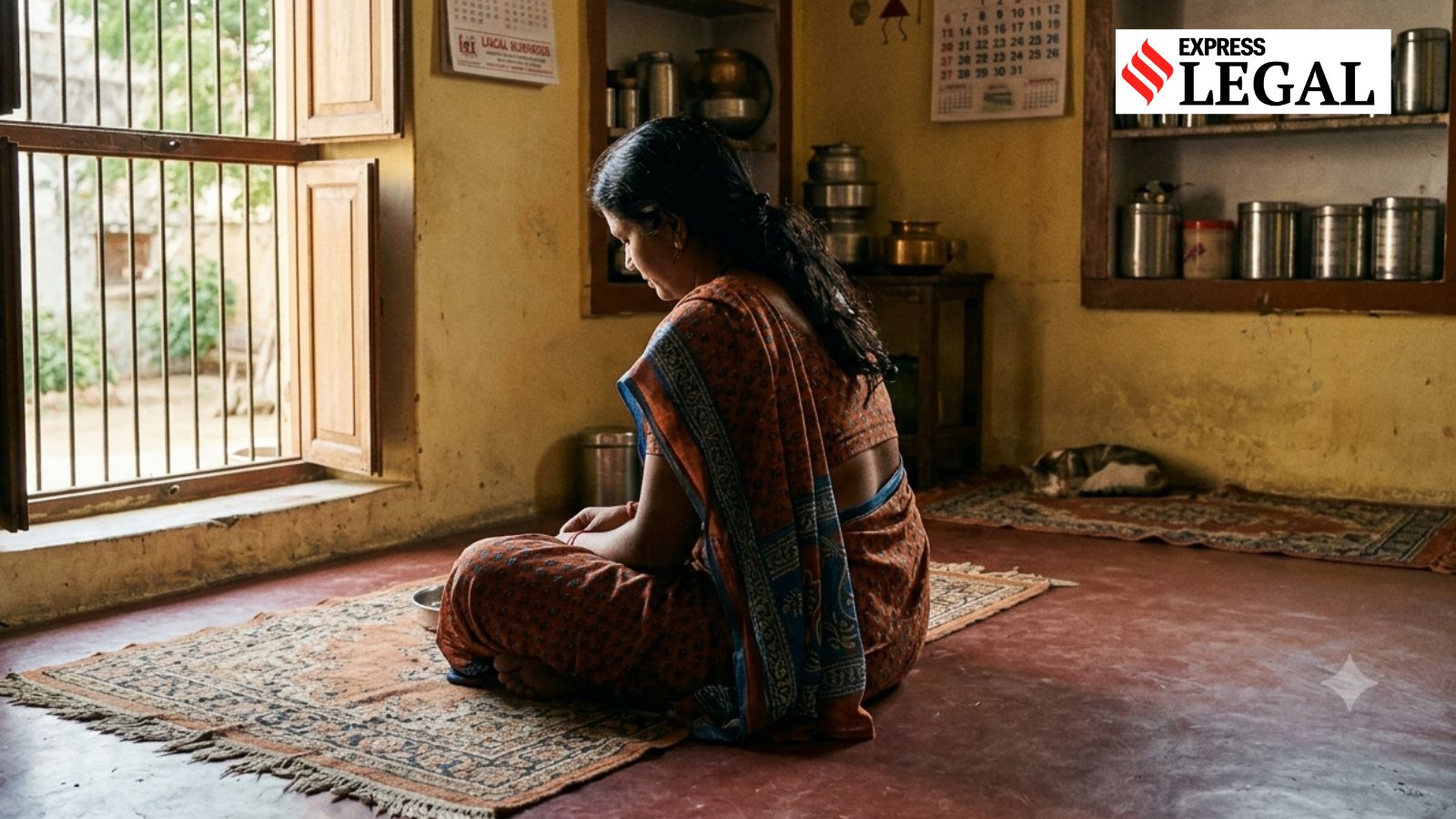
The Madras High Court has ruled that a daughter's right to inherit her late father's share in a Hindu Undivided Family (HUF) remains intact, regardless of whether her mother remarries.
- A mother's remarriage disqualifies the widow but not the children.
- Daughters are Class I legal heirs and retain full inheritance rights.
- The court distinguished between Section 24 and Section 25 of the Hindu Succession Act.
The Madras High Court recently delivered a pivotal judgment stating that in a Hindu Undivided Family (HUF), a daughter’s right to inherit her late father’s share in joint family property is not extinguished simply because her mother has remarried.
Presiding over the case, Justice P B Balaji observed that the disqualification stipulated under the Hindu Succession Act, 1956, applies specifically to a widow who remarries and does not extend to other Class I legal heirs. The court emphasized that the coparcenary interest of a pre-deceased son continues to be available to preferential Class 1 heirs, such as the children, regardless of the widow's marital status.
Why This Matters
BozokMedia analysis shows that this ruling reinforces the gender-neutral evolution of inheritance laws in India. By decoupling the daughter's rights from the mother's marital choices, the court has closed a loophole that was previously used by other family members to reclaim ancestral property. This ensures that the financial security of children is not contingent upon the social or personal decisions of the surviving parent.
"The embargo is only on the widow and not on other legal heirs to succeed to the estate of the pre-deceased son."
The specific case involved a man who died leaving behind a wife and a daughter. The wife subsequently remarried and waived her claim to the estate. Consequently, the daughter, as a Class I legal heir, inherited the entire share of her father.
However, another coparcener challenged this, arguing that the widow's remarriage should cause the share to revert to the remaining coparceners, thereby increasing their respective portions. The petitioner's counsel contended that the daughter should not be entitled to the share under these circumstances.
The court meticulously distinguished between Section 24 and Section 25 of the Hindu Succession Act. The petitioner had relied on a Supreme Court ruling regarding Section 25, which deals with the disqualification of an heir who murders the property owner. Justice Balaji noted that this was a "totally different factual matrix" and inapplicable to a case concerning remarriage.
Frequently Asked Questions
Q1: Does a mother's second marriage affect a child's legal right to ancestral property?
A: No, according to the Madras High Court, the children's rights as Class I heirs remain intact.
Q2: Who is a Class I legal heir under the Hindu Succession Act?
A: Class I heirs typically include the spouse, children, and the mother of the deceased, who have the first priority in inheriting the property.