The Uttar Pradesh Anti-Terrorist Squad (ATS) has arrested a teenager in Azamgarh for allegedly using WhatsApp to radicalize youth and promote Al-Qaeda ideologies. Investigations revealed discussions on bomb-making and the 'Ghazwa-e-Hind' conspiracy.
- UP ATS arrested 19-year-old Mohammad Nabeel from Azamgarh's Didarganj.
- The accused allegedly used WhatsApp groups to recruit 'mujahideen' and promote Al-Qaeda ideology.
- Chat logs revealed code words for weapons, chemicals, and terrorist activities.
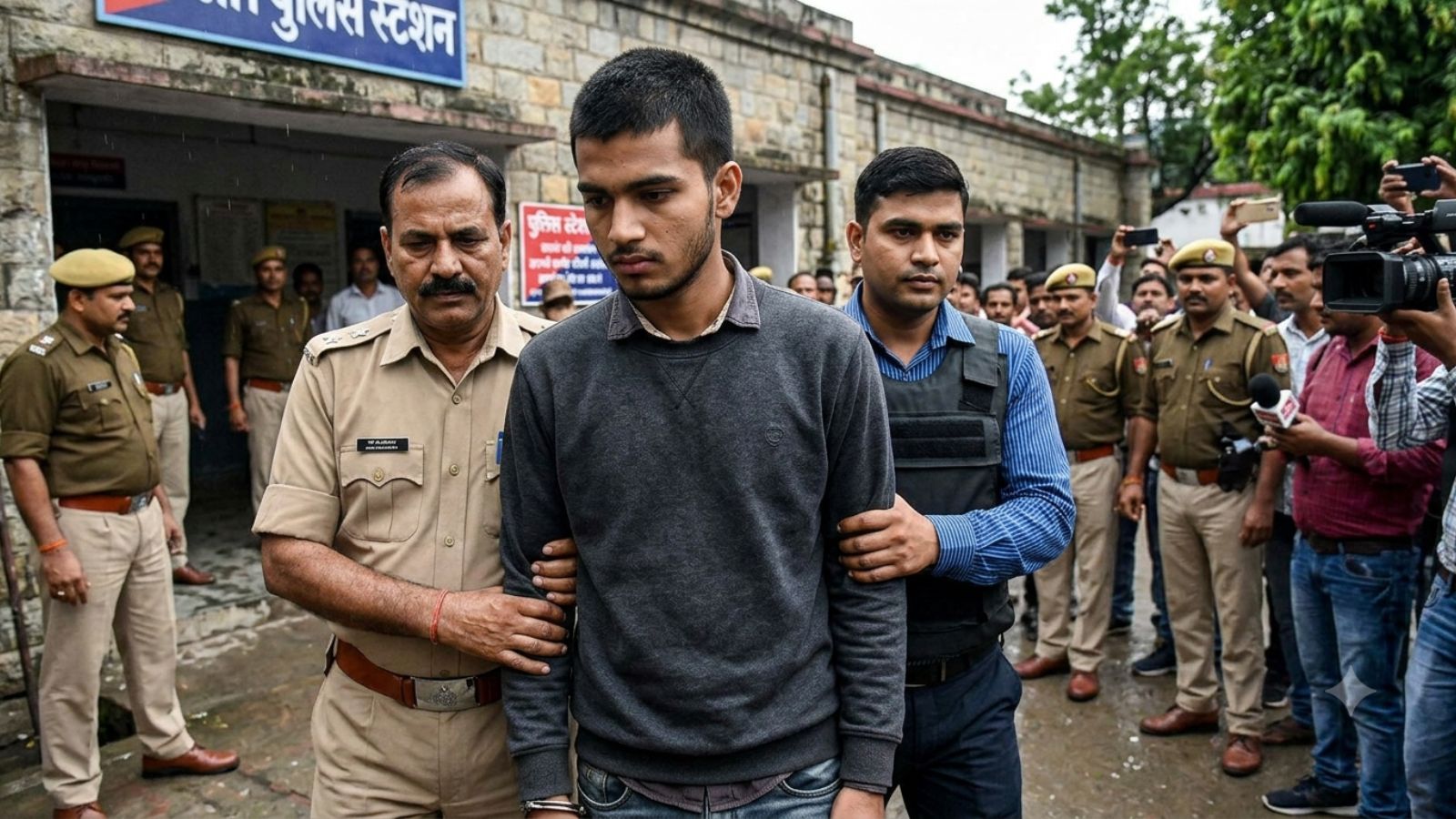
In a significant crackdown on radicalization, the Uttar Pradesh Anti-Terrorist Squad (ATS) on Saturday arrested a 19-year-old youth from the Azamgarh district. The accused, identified as Mohammad Nabeel, a resident of the Didarganj area, is alleged to have used encrypted social media platforms to recruit young people into becoming 'mujahideen' and to propagate the banned terrorist organization Al-Qaeda's ideology.
According to police reports, Nabeel was actively facilitating radicalization through WhatsApp groups, including one he titled 'La Ghalib Illallah' (There is no victor except Allah). The group was reportedly used to prepare youth for 'jihad' by sharing extremist literature, including works by Al-Qaeda ideologue Anwar al-Awlaki and former AQIS chief Maulana Asim Umar.
Why This Matters
BozokMedia analysis shows that the shift toward hyper-localized, digital radicalization poses a profound challenge to national security. By utilizing encrypted messaging, lone actors and small cells can bypass traditional surveillance, making the detection of terror plots increasingly complex.
A deep dive into the WhatsApp communications revealed a sophisticated use of coded language designed to evade detection. Nabeel allegedly used terms like "project" for jihad, "pen" for knives, "juice" for chemicals, and "trip" for terrorist operations. The investigation also indicated that the group's membership extended beyond local borders, including individuals from Jammu and Kashmir and several foreign nationals.
The use of everyday terminology as code words signifies a highly evolved method of digital insurgency that requires advanced forensic capabilities to intercept.
Furthermore, Nabeel was allegedly a member of international WhatsApp groups such as "Flames of War," which connected individuals from Bangladesh, Myanmar, and Saudi Arabia. The ATS discovered evidence of discussions regarding bomb-making, related instructional videos, and the procurement of potassium nitrate, a key chemical used in explosives.
Historical Background
Al-Qaeda has long sought to establish a global caliphate, and its recruitment strategies have increasingly moved from physical meeting points to the digital dark web and encrypted messaging apps. In India, the focus of security agencies has shifted heavily toward monitoring social media trends that signal radicalization among the youth.
Frequently Asked Questions
1. What legal charges have been filed against the accused?
A case has been registered under Sections 152 and 61(2) of the Bharatiya Nyaya Sanhita (BNS) and Sections 18 and 38 of the Unlawful Activities (Prevention) Act (UAPA).
2. Was there any plan for international travel?
Yes, intelligence suggests Nabeel planned to travel to countries like Pakistan, Turkey, and Bangladesh to undergo training and further his extremist objectives.