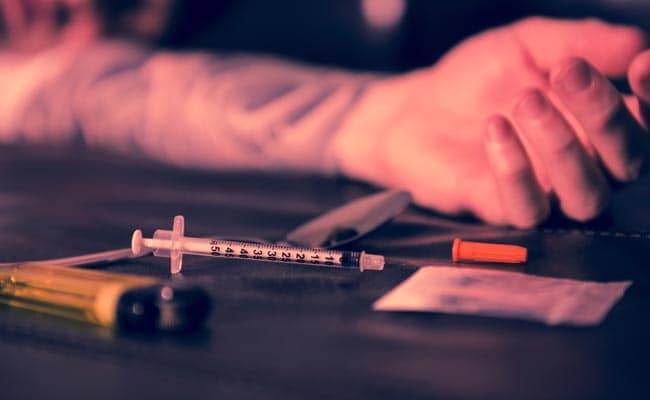
Punjab Police report a changing drug consumption pattern as heroin availability declines. Pharmaceutical narcotics have emerged as the state's most pressing enforcement challenge, prompting cross-state scrutiny.
- Declining heroin supply
- Rise of prescription drug abuse
- Cross-state smuggling concerns
Historically, Punjab's drug problem has centered on heroin and cocaine. Recent data from the Punjab Police indicate a sharp drop in heroin availability beginning in 2024, which is reshaping consumption and supply dynamics.
According to authorities, prescription narcotics—particularly opioids and antidepressants—are now the fastest-growing segment of illicit drug use in the state. These drugs are often trafficked from neighboring states and smuggled across customs checkpoints into Punjab.
Historical Context
Since the 1990s, Punjab has fought a war on drug use primarily focused on heroin and cocaine. Stringent laws curtailed heroin sources, but the demand shifted to alternative substances, creating a new threat vector.
Why This Matters
BozokMedia analysis shows that the illicit pharmaceutical trade threatens not only public health but also the state's economic and social stability. Misuse of these drugs fuels mental and physical health crises among youth, undermining education and employment prospects.
"The illicit pharmaceutical market is a complex network that demands inter-state cooperation for effective control," notes Dr. Priyanka Sharma, a public health specialist.
Frequently Asked Questions
- How is the Punjab government tackling the rise of prescription drug smuggling?
- Which specific drugs are most abused in the state?