A retired Army veteran in Pune fell victim to a high-stakes 'digital arrest' scam, losing ₹1.28 crore. Fraudsters impersonated CBI and Telecom officials to psychologically manipulate the senior citizen into transferring his life savings.
- A 70-year-old retired Army veteran in Pune lost ₹1.28 crore to cybercriminals.
- Scammers used 'Digital Arrest' tactics, impersonating Telecom and CBI officials.
- The victim was coerced into breaking fixed deposits and transferring savings.
- The fraud was uncovered after the victim's daughter alerted the family.
In a chilling demonstration of how sophisticated cybercrime has become, a retired Army veteran based in Pune has been defrauded of Rs 1.28 crore through a calculated 'digital arrest' scam. The perpetrators utilized psychological warfare, posing as high-ranking officials to exploit the victim's fear of legal repercussions.
The ordeal began on August 20, when the veteran received a call from a woman claiming to be from the 'Telecom Headquarters in New Delhi.' She alleged that a mobile number registered in his name was being used to transmit obscene content and conduct fraudulent activities from Mumbai. To add legitimacy to the threat, the caller connected him to a person posing as a Mumbai Crime Branch officer.
The Anatomy of the Scam: Psychological Coercion
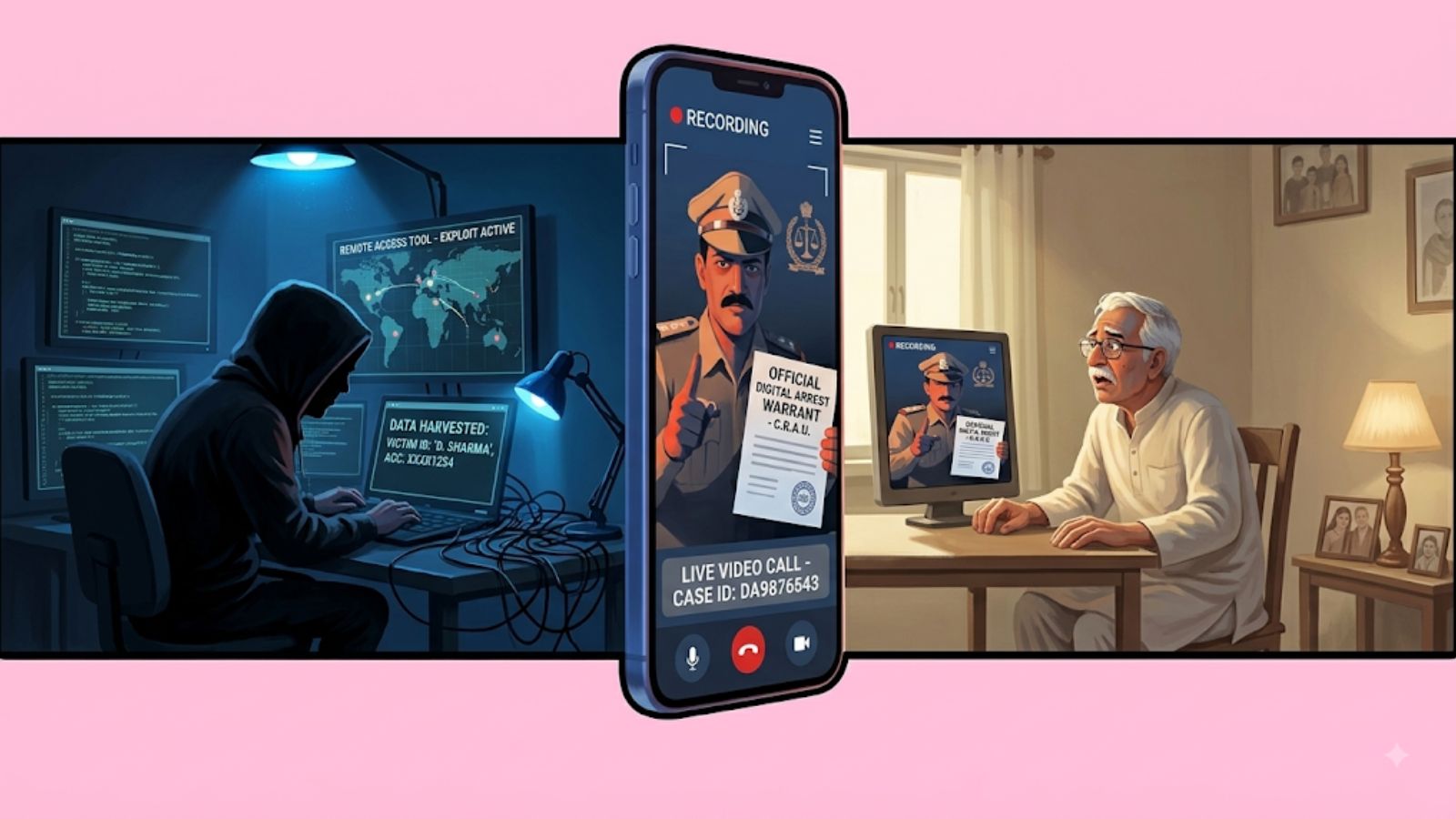
The fraudsters escalated the pressure by sending a forged FIR and images of alleged obscene content via WhatsApp. They meticulously questioned the veteran about his family, bank accounts, fixed deposits (FDs), and gold holdings. Under the guise of 'helping' him as a senior citizen, the criminals placed him under a 'digital arrest,' effectively isolating him through continuous video and voice calls.
The deception deepened when another fraudster, dressed in a police uniform, appeared on a video call claiming to be 'CBI Officer Pawar.' Shortly after, a person posing as a senior official named 'Vijay Khanna' instructed the veteran to liquidate his fixed deposits and transfer the funds to specific bank accounts to 'verify' his innocence.
Cybercriminals are no longer just hacking systems; they are hacking human psychology through fear and authority.
Why This Matters
BozokMedia analysis shows that 'Digital Arrest' is a rapidly evolving trend in Indian cybercrime. Unlike traditional phishing, this method relies on real-time video interaction to create a sense of immediate legal peril. By impersonating agencies like the CBI, ED, or Police, scammers bypass the victim's logical defenses.
Between late August and early September, the victim transferred massive sums to various accounts, which investigators suspect are 'mule accounts' used to launder stolen money. The scam only came to light when the victim's wife grew suspicious of the constant transfers and contacted their daughter living abroad, who recognized the signs of a fraudulent scheme.
Historical Background: The Rise of Digital Arrests
The concept of 'Digital Arrest' is a relatively new but devastatingly effective tactic used by international cybercrime syndicates. By keeping victims on a continuous video call, criminals prevent them from seeking help from family or authorities, creating a virtual prison that lasts for days or even weeks.
Frequently Asked Questions
1. What is a 'Digital Arrest'?
It is a scam where criminals impersonate law enforcement officers and use video calls to threaten victims with arrest, forcing them to transfer money to 'clear' their names.
2. How can I protect myself from such scams?
Never share bank details over calls, be skeptical of unexpected 'official' video calls, and always verify identities through official channels before making any transaction.