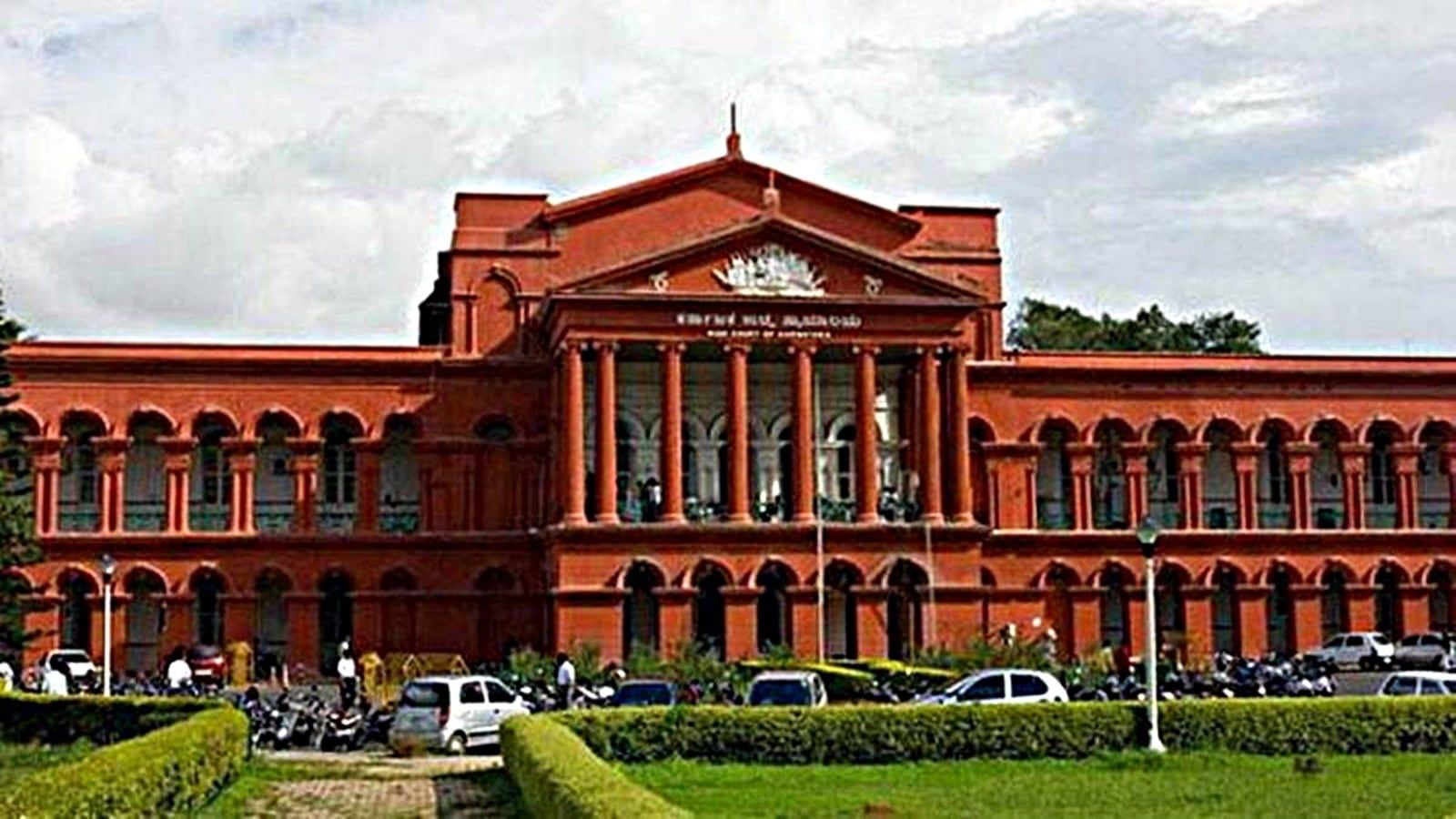
The Karnataka High Court has stepped in to assist a housewife by directing Federal Bank to refund ₹3.25 lakh mistakenly transferred to a dormant, untraceable account. This ruling sets a significant precedent for consumer rights against rigid banking protocols.
- A housewife mistakenly transferred ₹3.25 lakh via RTGS due to a typing error.
- The funds landed in a dormant account of an untraceable firm.
- The High Court overruled banking objections, citing constitutional property rights.
Bengaluru: In a significant relief for consumers, the Karnataka High Court has directed Federal Bank to re-transfer ₹3.25 lakh to the account of a housewife, Nujaiba Jaleel. The ruling concludes a grueling seven-month legal battle sparked by a clerical error during an RTGS transaction in December 2025.
The Error and the Banking Deadlock
The incident occurred when Ms. Jaleel attempted to send funds to her father but inadvertently entered the wrong last four digits of the account number. The money was successfully transferred to an account belonging to Standard Engineering Works. However, the account was dormant, and the owner of the firm proved impossible to trace. Despite repeated representations, the bank refused to reverse the transaction, citing regulatory frameworks that require the consent of the beneficiary to reclaim funds.
Why This Matters: BozokMedia Analysis
BozokMedia analysis shows that this case highlights a critical gap in modern digital banking. While real-time transfer systems like RTGS offer speed, they lack an immediate 'undo' mechanism for human error. The reliance on beneficiary consent creates a loophole where funds can be effectively 'lost' in dormant accounts, leaving the rightful owner in a legal limbo.
The court's intervention serves as a vital safeguard against the rigid application of banking norms that ignore fundamental constitutional rights.
Justice C M Poonacha, while partly allowing the petition, ordered the bank to complete the transfer within three days. The petitioner’s legal counsel argued that the deprivation of these funds was a direct violation of Article 300A of the Constitution, which protects the right to property.
Historical Context of Banking Errors
Historically, banking disputes involving erroneous transfers have often been stalled by the principle of 'beneficiary consent.' However, Indian jurisprudence has increasingly leaned towards the principle of 'unjust enrichment,' suggesting that no individual should profit from a mistake made by another, especially when the recipient cannot be identified.
Frequently Asked Questions
1. Can a bank reverse an RTGS transfer without the recipient's permission?
Generally, no. Banks act as intermediaries and require the beneficiary's 'No Objection' to avoid legal liability, unless directed by a court.
2. What constitutional right is involved in such cases?
Article 300A of the Indian Constitution ensures that no person shall be deprived of their property save by authority of law.