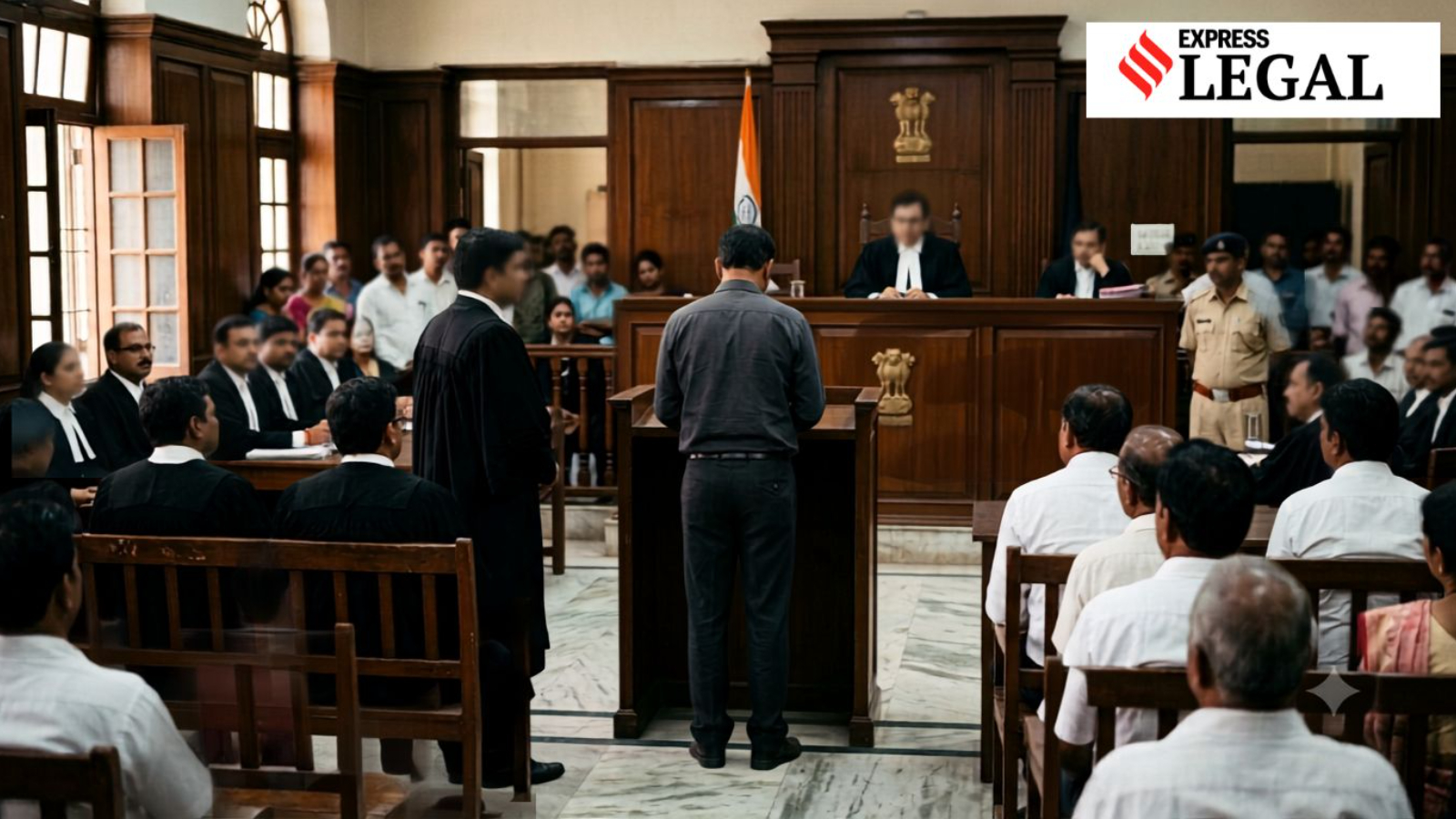
The Madras High Court has granted bail to an engineering student accused under the POCSO Act after he submitted an affidavit promising to respect the minor's choice and marry her once she reaches legal age.
- Madras High Court granted bail to a 20-year-old engineering student in a POCSO case.
- The accused submitted an affidavit promising not to pressure the minor into marriage before she reaches legal age.
- The student pledged to respect caste and community differences in a future lawful marriage.
In a significant ruling, the Madras High Court has granted bail to a 20-year-old engineering student facing serious charges under the POCSO Act, the Bharatiya Nyaya Sanhita, and the SC/ST Act. The decision came after the accused provided a formal undertaking regarding his future intentions toward the minor victim.
Justice M Nirmal Kumar presided over the hearing, which was a criminal appeal against a lower court's refusal to grant bail. The core of the student's plea rested on a legal affidavit in which he promised not to attempt to marry the school-going minor until she attains the legally permissible age. Furthermore, he committed to respecting her autonomy, stating that caste or community differences would not serve as an impediment to a lawful marriage should she choose him voluntarily in the future.
Conflicting Narratives in the Case
The proceedings revealed two starkly different versions of the events. The defense argued that the accused and the minor, both from the same village, were in a consensual romantic relationship that became physical. They maintained that the student intended to marry her after completing his studies and securing employment.
Conversely, the victim's counsel presented a much more harrowing account, alleging that the sexual assault was committed through force and compulsion. The counsel further stated that the accused had avoided the girl and disowned her once she informed him of her pregnancy, leaving her with no choice but to seek legal recourse.
Why This Matters
BozokMedia analysis shows that this case highlights the delicate intersection of criminal law, social ethics, and the protection of minors. The court's decision to grant bail based on an undertaking rather than a final determination of guilt reflects a judicial attempt to balance the gravity of POCSO allegations with the potential for future consensual reconciliation, provided strict safeguards are in place.
The court's approach seeks to prevent immediate coercion while maintaining the sanctity of the legal age threshold.
Notably, the court observed that the girl's legal counsel had "no serious objection" to the bail, provided the safeguards were met. The accused's mother also expressed that she had no objection to a future marriage between the two parties once they reached the legal age. The court has imposed strict safeguards to ensure the minor is not subjected to any pressure or interference during the ongoing investigation.
Frequently Asked Questions
1. What was the primary condition for the student's bail?
The student had to undertake that he would not influence or pressure the girl to marry before she reaches the legal age and that he would respect her choice regardless of caste.
2. Does this mean the marriage is legally approved?
No. The court has not sanctioned a marriage; it has merely allowed the student's release from custody based on his legal affidavit and the lack of objection from the victim's side regarding his release.