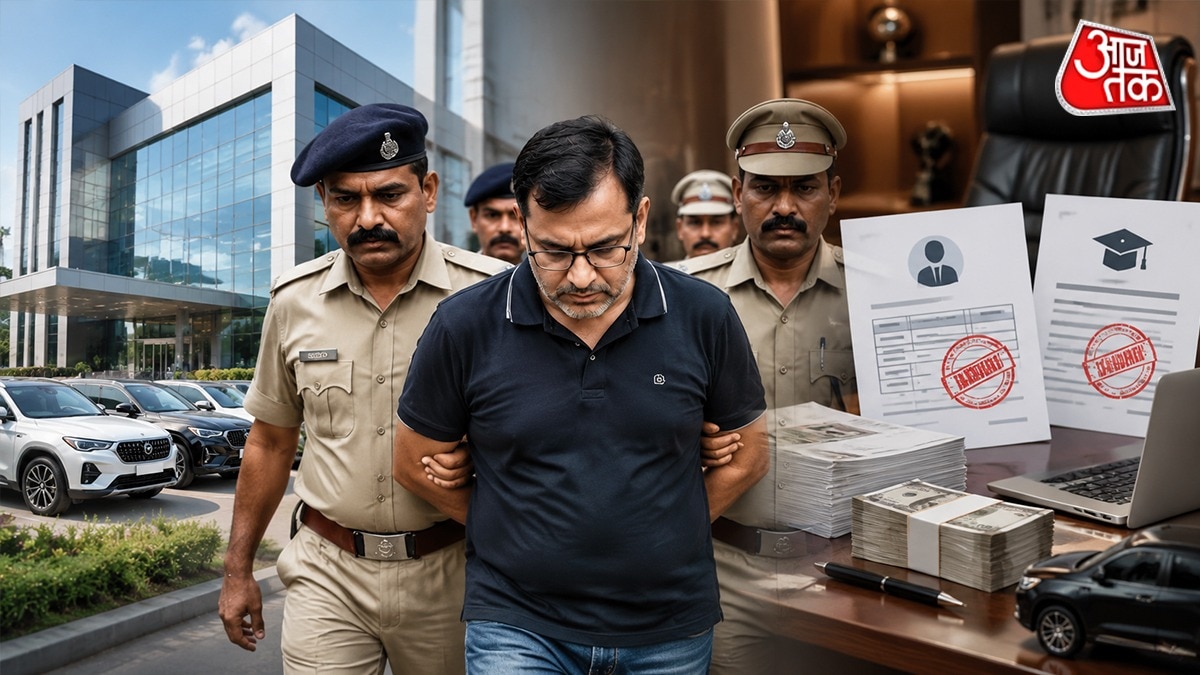
The National Consumer Disputes Redressal Commission (NCDRC) has ordered a public sector insurer to pay ₹2.20 crore to a construction company following a disputed piling rig accident claim. The commission ruled that suspicion of fraud cannot replace concrete evidence.
- NCDRC directed the insurer to pay ₹2,20,84,178 plus interest.
- The court ruled that suspicion of fraud is insufficient to reject an approved insurance claim.
- The case stems from a 2013 road accident involving a heavy piling rig in Odisha.
New Delhi: In a significant ruling for consumer protection, the National Consumer Disputes Redressal Commission (NCDRC) has ordered a public sector general insurance company to settle a long-pending claim of ₹2.20 crore with a private construction firm. The dispute arose after the insurer withdrew its approval for a claim related to a piling rig damaged in a 2013 accident in Odisha.
Presiding member AVM J Rajendra and member Justice Anoop Kumar Mendiratta heard the complaint, emphasizing that the rejection of an insurance claim on grounds of fraud carries serious civil consequences. The commission noted that fraud cannot be inferred merely through suspicion; it must be backed by clear, cogent, and convincing evidence.
Historical Background of the Incident
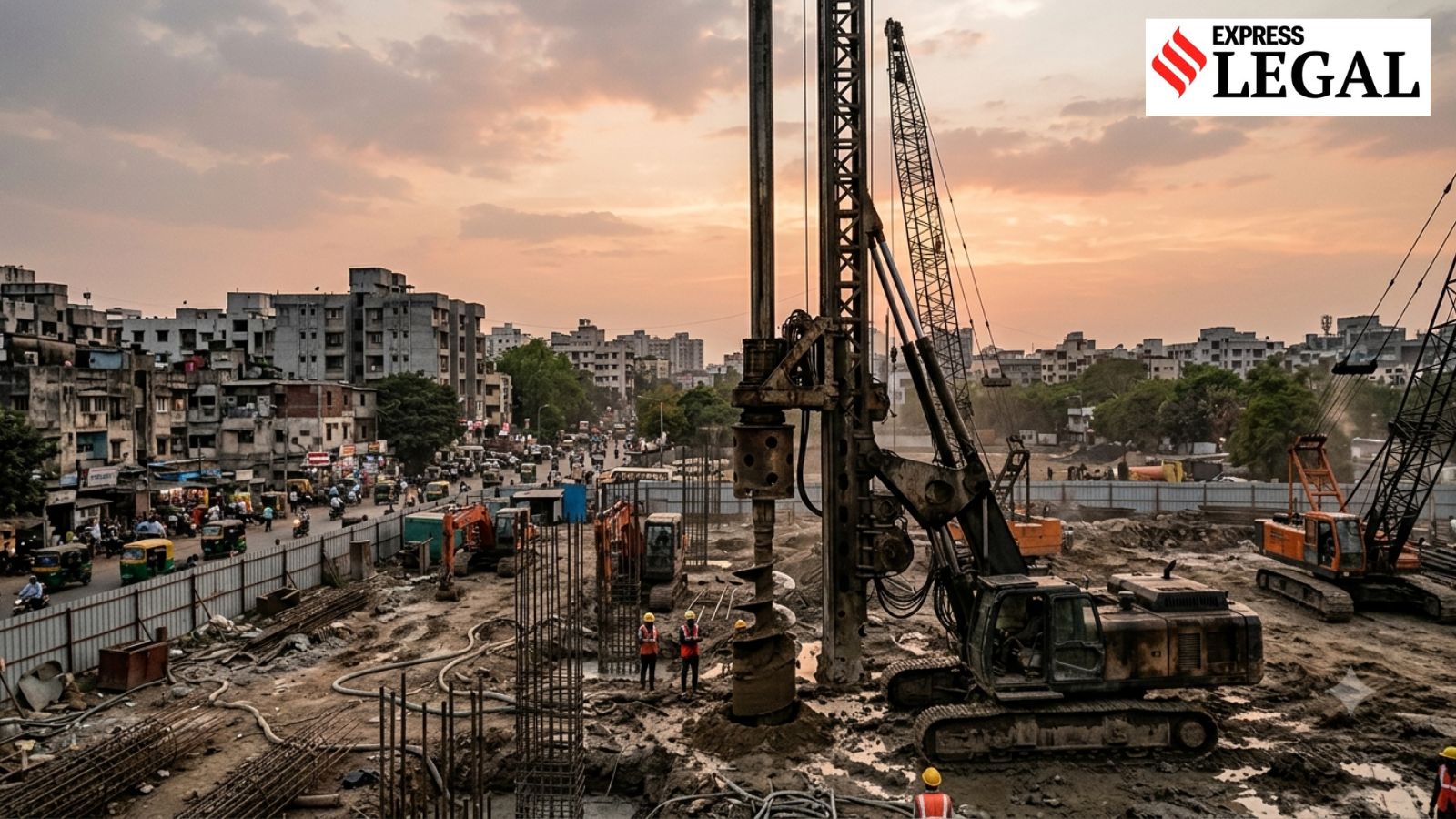
The construction company had purchased a Soilmec SR-40 hydraulic piling rig in 2009 for approximately ₹3.18 crore. On March 2, 2013, while being transported from Odisha to Delhi, the heavy machinery met with a major accident at Bangriposi Ghat in the Mayurbhanj district of Odisha. A technical assessment by the Original Equipment Manufacturer (OEM) at the time confirmed extensive damage, rendering the machine economically unviable to repair.
The Dispute: Approval Followed by Rejection
Following the accident, the insurer initially approved the settlement of ₹2,20,84,178 in September 2014. However, the insurer later reversed this decision after receiving allegations that the machine had not suffered a total loss. An internal investigation claimed the machine was being used commercially in Gujarat, leading the insurer to allege fraud and suppression of material facts.
Why This Matters
BozokMedia analysis shows that this ruling sets a vital legal precedent regarding the 'reciprocal duties of utmost good faith' in insurance contracts. It prevents insurers from arbitrarily reopening approved claims based on unsubstantiated investigations, thereby ensuring corporate accountability and protecting industrial clients from predatory claim denials.
'Suspicion, however strong, cannot take the place of proof in matters of insurance fraud.'
The commission found that the insurer's investigator failed to provide independent documentary evidence to prove that the machine seen in Gujarat was indeed the same unit involved in the Odisha accident. Consequently, the commission upheld the original survey reports and the OEM's assessment, labeling the insurer's rejection as a deficiency in service.
Frequently Asked Questions
1. What is the total amount the insurer must pay?
The insurer must pay ₹2,20,84,178 with 8% simple interest from September 2, 2013, plus ₹50,000 in litigation costs.
2. Can an insurer reopen a claim if they suspect fraud?
Yes, but only if they provide clear and convincing evidence. Mere suspicion is not legally sufficient to deny a claim.