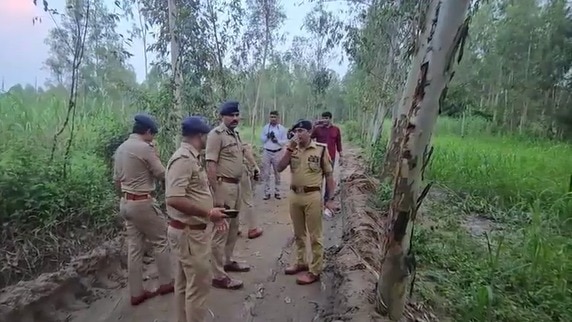
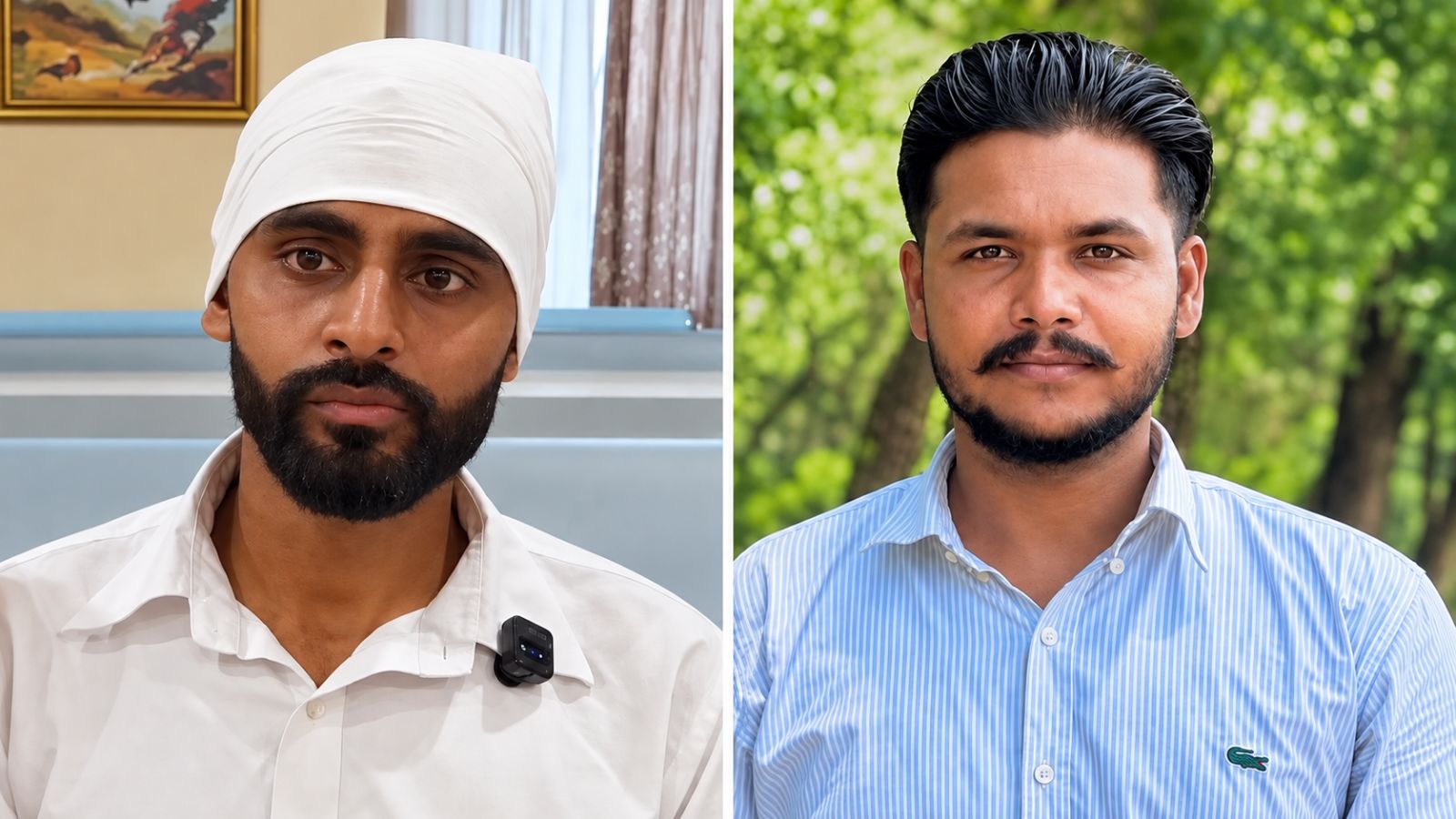
The Karnataka High Court has criticized a trial court for seeking a probation officer's report before granting pardon to an approver in the Renukaswamy murder case, calling the move legally misdirected.
- The High Court termed the trial court's action as being in "blissful ignorance" of the law.
- Probation Officer reports can only be sought post-conviction under the Probation of Offenders Act.
- Accused actor Darshan and others cannot challenge the pardon on its merit, only on procedural grounds.
- The trial court has been ordered to pass a fresh order within one week.
In a significant legal development regarding the high-profile Renukaswamy murder case, the High Court of Karnataka has reprimanded a trial court for its decision to seek a report from a Probation Officer (PO) before deciding on the pardon application of Pradoosh, an accused seeking to become an approver.
Justice M. Nagaprasanna, presiding over the matter, noted that the trial court had misdirected itself by ignoring the mandatory provisions of the law. The court emphasized that the decision to call for a PO report was "wholly unnecessary" and demonstrated a lack of understanding of established legal tenets.
Legal Analysis of the Probation Act
The core of the High Court's observation lies in the interpretation of Section 4 of the Probation of Offenders Act. The court clarified that a report from a Probation Officer can only be summoned under three specific circumstances, all of which occur post-conviction:
- When determining the sentence after a conviction.
- When considering the suspension of a sentence.
- When deciding whether a convicted accused should be released on probation.
Since the trial in the Renukaswamy case is ongoing and no conviction has been recorded yet, the court ruled that seeking such a report at this stage was a procedural error.
Why This Matters
BozokMedia analysis shows that such procedural deviations in high-stakes criminal trials can lead to prolonged litigation and undermine the efficiency of the judiciary. Ensuring that trial courts adhere strictly to the statutory timelines and mandates is crucial for maintaining public trust in the legal system.
"The trial court's attempt to suo motu call for a report before conviction is a direct violation of the statutory mandate of the Probation of Offenders Act."
Furthermore, the High Court addressed the concerns of other accused individuals, including actor Darshan. It ruled that while they can challenge procedural aberrations, they do not have the legal standing to challenge the merit of the pardon granted to an approver under Section 306 of the CrPC.
Frequently Asked Questions
1. Why did the High Court intervene in this case?
The court intervened because the trial court sought a probation report at a stage where the law only permits it after a conviction.
2. What is the next step for the trial court?
The trial court must pass a fresh order regarding Pradoosh's pardon within one week, without relying on any probation officer's report.