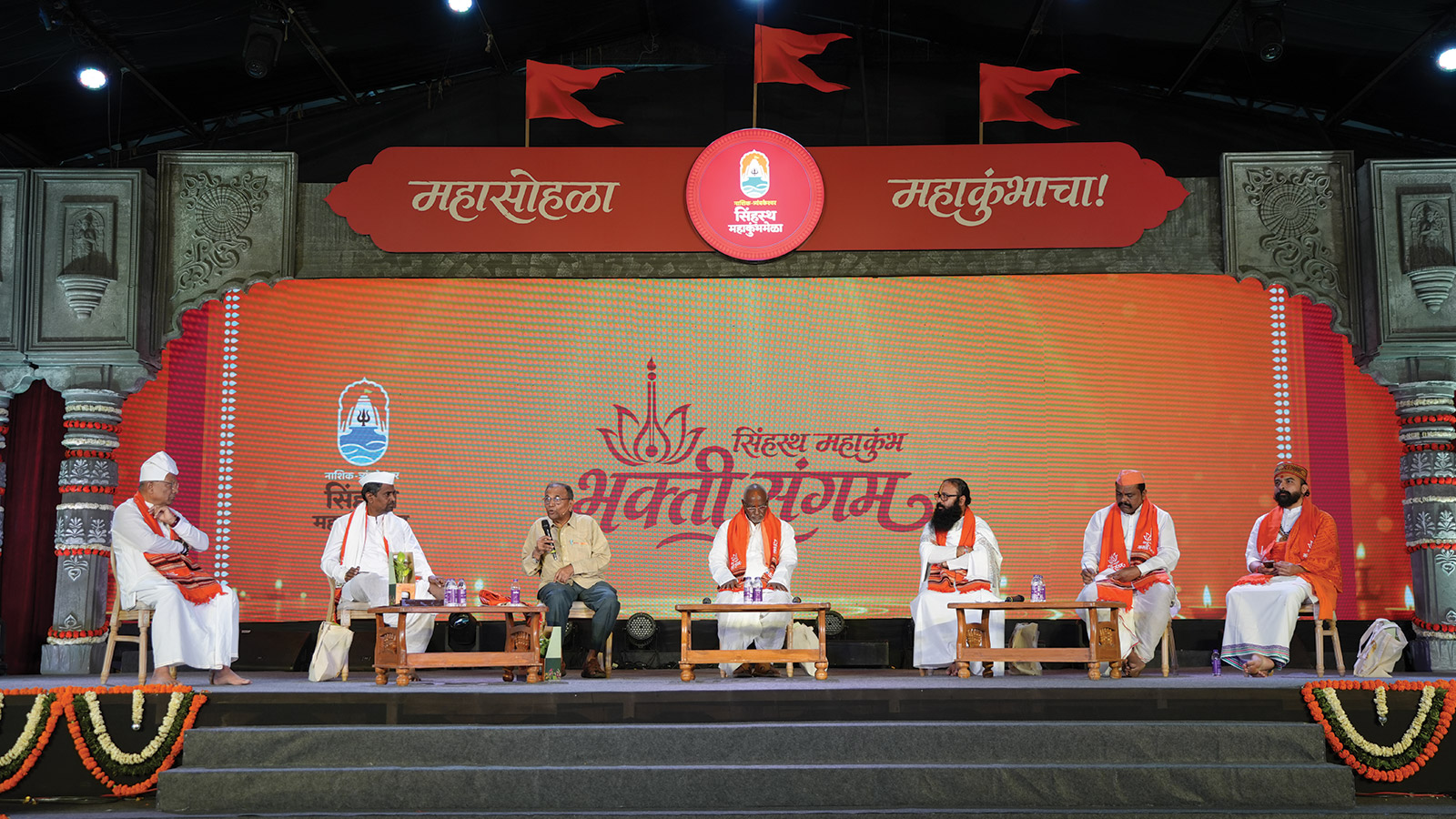
The successful conclusion of the three-day 'Simhastha Mahakumbh Bhakti Sangam' in Nashik marks the strategic beginning of cultural and organizational preparations for the 2027 Simhastha Maha Kumbh Mela.
- Successful completion of the three-day 'Simhastha Mahakumbh Bhakti Sangam' at Thakkar Dome, Nashik.
- A diverse platform showcasing devotional traditions from Maharashtra, Punjab, and Manipur.
- Strategic testing of venue management, security, and crowd control for the 2027 Mela.
The road to the historic Simhastha Maha Kumbh Mela 2027 has officially begun with the successful conclusion of the 'Simhastha Mahakumbh Bhakti Sangam'. Organized by the Nashik-Trimbakeshwar Kumbh Mela Authority (NTKMA), this three-day festival served as a foundational cultural initiative to set the stage for the massive spiritual gathering expected in 2027.
The festival acted as a melting pot of India's diverse devotional traditions. Maharashtra's profound kirtan heritage was led by luminaries such as Amritashram Swami Maharaj, Dr. Charudatta Govindswami Aphale, and Nivrutti Maharaj Indurikar. The musical landscape was further enriched by Rahul Deshpande’s Abhangwari and the soulful bhajans of Maithili Thakur, which successfully bridged the gap between traditional and contemporary audiences.
A National Spiritual Convergence
Breaking regional boundaries, the event featured Bhai Maninder Singh Ji Hazuri Ragi from Sri Darbar Sahib, Amritsar, performing Gurbani Shabad Kirtan, and the Nata Sankirtana tradition from Manipur. This inclusion highlighted the Authority's vision to transform the Simhastha into a truly national cultural phenomenon. A dedicated Bhakti Sammelan also provided a forum for intellectual discourse on saint traditions and social harmony.
This initiative is a strategic masterstroke, blending spiritual fervor with administrative dry runs to ensure the success of the 2027 Mela.
Why This Matters
BozokMedia analysis shows that for large-scale religious events, the primary challenge is not just spirituality but massive-scale logistics. The 'Bhakti Sangam' allowed the NTKMA to conduct real-world testing of venue management, audience movement, traffic control, parking, and security coordination in a controlled yet significant environment.
NTKMA Commissioner Shekhar Singh emphasized the importance of this pilot phase, stating, "The response from citizens and the experience of working with artists and saint traditions have given us valuable inputs for the programmes we will take up in the coming months." He noted that the scale of the event would continue to grow, providing more opportunities for local and national artists.
Frequently Asked Questions
Question 1: What was the primary goal of the Bhakti Sangam festival?
Answer: To initiate cultural preparations and provide the NTKMA with practical experience in managing large-scale public events ahead of 2027.
Question 2: Which diverse traditions were represented at the event?
Answer: The event featured Maharashtra's Kirtan, Punjab's Gurbani Shabad Kirtan, and Manipur's Nata Sankirtana.