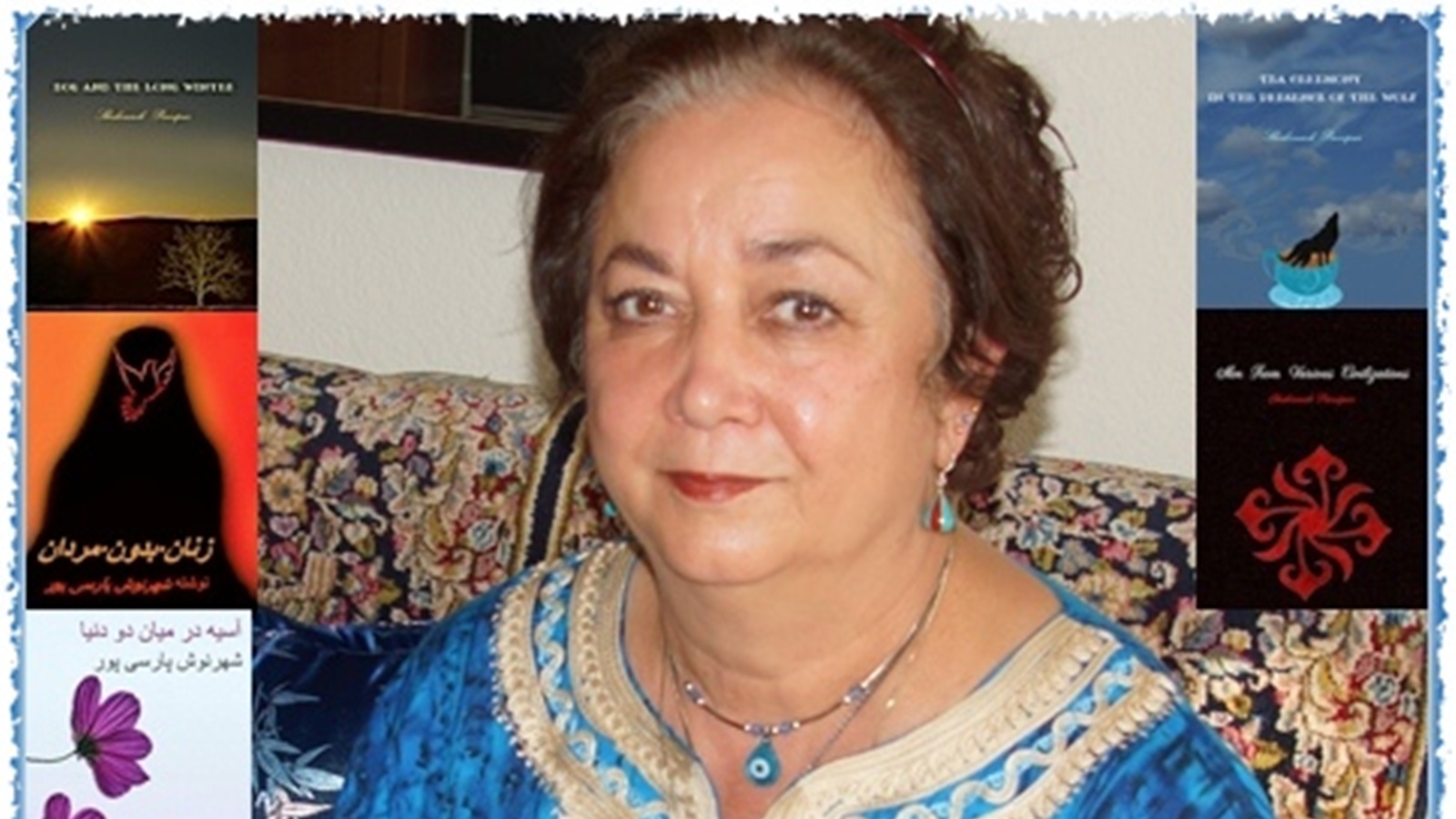
Iranian writer‑activist Shahrnush Parsipur died at 80 while living in exile in the United States. Her courageous literature, forged through multiple imprisonments, continues to inspire global feminist discourse.
Iranian writer‑activist Shahrnush Parsipur (1946‑2026) passed away in the United States after more than three decades of political exile in Northern California. Her life and work, marked by four imprisonments under two very different regimes—the Shah and the Islamic Republic—remained a relentless champion for women’s voices in a heavily censored society.
Early Literary Breakthrough
Parsipur published her debut novel The Dog and the Long Winter in 1974, describing herself as the second woman in Iranian history to publish a novel after Simin Daneshvar. She cemented her place in Persian letters with the subsequent novels Touba and the Meaning of Night (1989) and Women Without Men (1989), both of which explored female autonomy against patriarchal backdrops.
Imprisonments and Censorship
Over the course of her career, Parsipur was detained four times—once under the Shah and three times under the Islamic Republic. Her first arrest followed a resignation from Iranian National Radio‑Television in protest of the SAVAK‑ordered execution of two dissident poets, leading to a 54‑day detention without charge. A second arrest in the early 1980s, triggered by the discovery of banned political pamphlets in her car, resulted in her longest sentence: four years and seven months without formal indictment. The novel Women Without Men led to two more incarcerations after a copy reached the wife of a high‑ranking official.
International Recognition and Legacy
Faridoun Farrokh’s English translation of Women Without Men was long‑listed for the International Booker Prize in 2026, even as the book remains banned in Iran. In 2009, Iranian‑American artist Shirin Neshat adapted the novel into an award‑winning feature film, further amplifying Parsipur’s global reach. The Feminist Press will re‑issue her memoir Kissing the Sword in 2027, offering new readers insight into her years of resistance.
Exile and Final Years
Leaving Iran in 1994, Parsipur settled in the United States, where she authored eight additional works of fiction alongside her memoir. In a 2026 interview with The Guardian, she observed, “Iranian women have changed so much; many no longer wear the hijab and they don’t care what the Islamic Republic thinks.” She added confidently that these changes would eventually bring down the regime.
Enduring Impact
Parsipur’s blend of myth, magical realism, and feminist critique created a literary space where truth could be told despite state repression. Her oeuvre not only documents the Iranian female experience but also resonates with universal struggles for gender equality, making her an enduring beacon for activists worldwide.