The sixth edition of DakshinaChitra’s LangFest, themed ‘Histories in Plural’, will use panel discussions and artistic performances to challenge single‑story narratives and celebrate multiple historical perspectives.
Key Takeaways
- ‘Histories in Plural’ theme drives diverse panels and concerts
- Revival of ancient Tamil instruments like the Yazh and Kudamuzha
- Multifaceted dialogues on cinema, business, feminism and urban history
Located on Chennai’s ECR, the DakshinaChitra Museum has once again opened its gates for the annual LangFest. The sixth edition, running from February 28 to March 1, adopts the theme ‘Histories in Plural’, aiming to dismantle the myth of a single, monolithic historical truth and to give space to a chorus of voices.
Background and Evolution
Since its inception in 2021, LangFest has evolved into a laboratory of ideas, arts, and historiography. Director Anitha Pottamkulam, who also curates the festival, explains that each year the event invites scholars, artists, and thinkers from across India to present contrasting viewpoints. Over the past five years, the festival has explored folk music, ancient instruments, cinema, and urban narratives, positioning itself as a bridge between academic discourse and public engagement.
Program Highlights
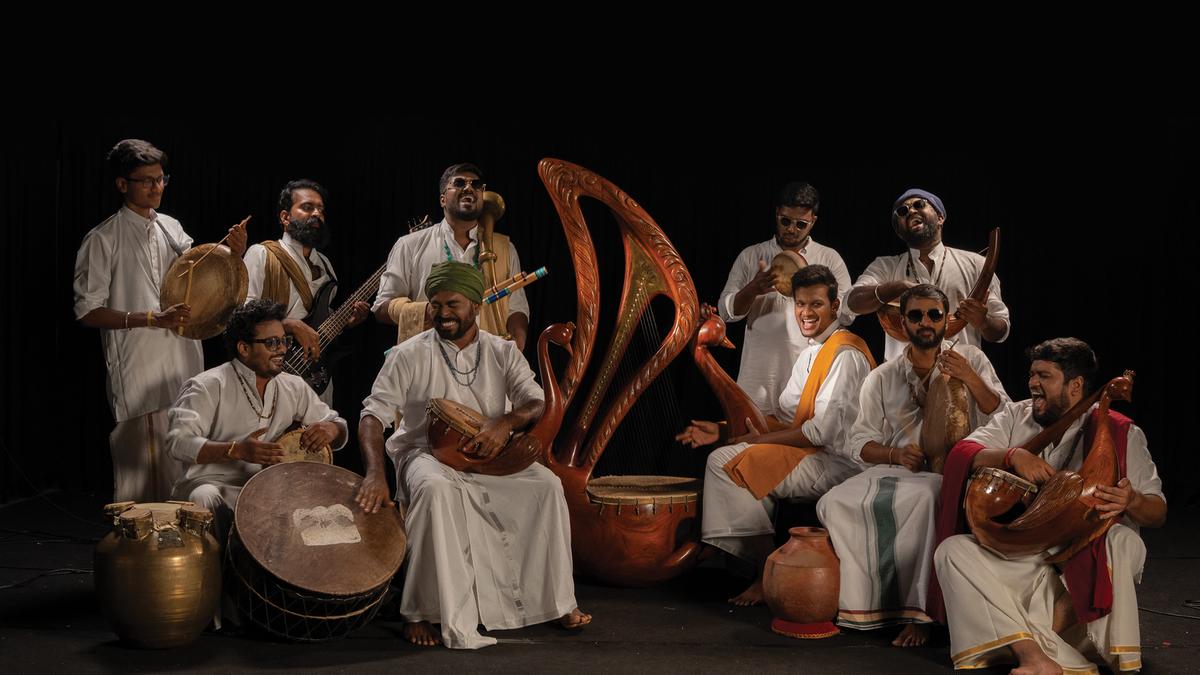
Day 1 (Feb 28) will feature a conversation between filmmaker TJ Gnanavel and journalist‑filmmaker Sashi Kumar about the genre of historical cinema, including Gnanavel’s acclaimed film “Jai Bhim”. The day will also showcase the band Uru Paanar, led by Tharun Sekar, renowned for reviving the ancient Tamil instruments Yazh and Kudamuzha. The band will perform 10‑12 pieces, ranging from instrumental meditations to new compositions from their recent album “Thol”.
Day 2 (Mar 1) opens with a “History for Peace” session featuring activist Janaki Nair, followed by a panel on the feminist movement’s historical trajectory. Senior economic historian Raman Mahadevan will discuss business histories alongside policy analyst Harish Damodaran. A separate “Chronicler of Cities” discussion will bring together journalist‑author Sidharth Bhatia, technical writer Nandakumar Melethil, and independent researcher filmmaker Kombai S Anwar.
Why Plural Histories Matter
According to Anitha, “History surrounds us at both micro and macro levels; it provides context and informs our decisions. Embracing multiple narratives enriches our collective understanding.” The festival’s programming reflects this belief by blending music, cinema, urban studies, and social movements, thereby illustrating how diverse lenses can coexist without diluting the core truth.
LangFest 2026 is more than a cultural calendar entry for Chennai; it is a statement that pluralistic storytelling can and should be mainstream. By giving a platform to varied artistic expressions and scholarly debates, the festival sets a precedent for other cultural institutions to follow, fostering a more inclusive historiography for the nation.