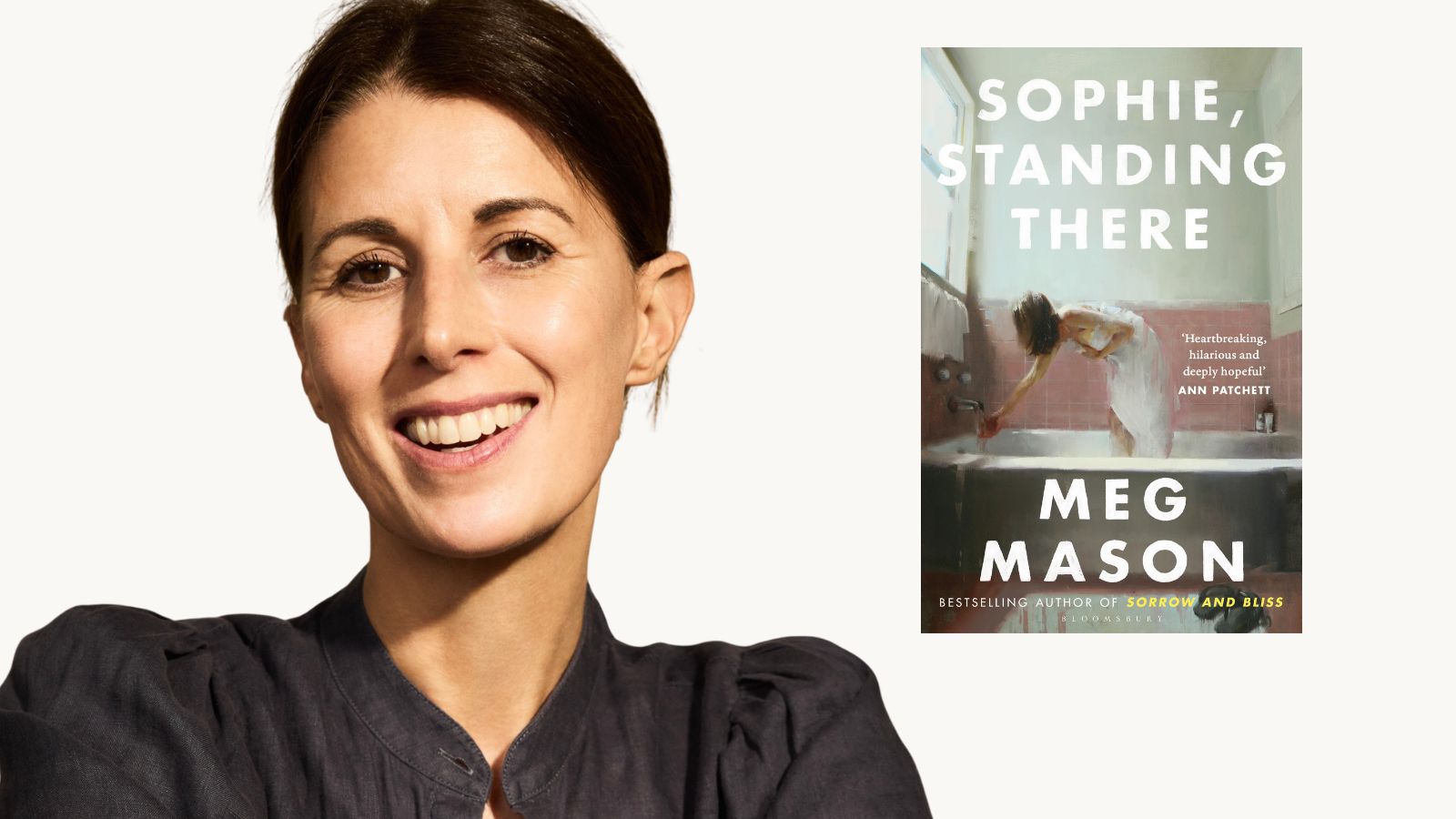
In her new novel "Sophie, Standing There," Meg Mason champions the raw, unfiltered voice of contemporary fiction while warning against the homogenizing influence of AI and social media.
Key Takeaways
- Meg Mason defends the gritty, unfiltered voice of modern literature.
- Her unique narrative style blends third‑person and first‑person, mirroring the self‑taught background of her protagonist.
- She warns that AI’s homogenizing effect erodes the human imperfections that give fiction its soul.
Meg Mason, who earned international acclaim with her debut bestseller Sorrow and Bliss, returns with a fresh perspective in Sophie, Standing There. The novel follows a lone, self‑taught sound technician who works backstage at literary festivals and falls for an author she will never meet. Mason uses this premise to explore the messy humanity that underpins storytelling.
Backstage Realities
Drawing from her own years of backstage experience, Mason gives readers an insider’s view of the chaotic, often overlooked world that keeps literary festivals running. She explains that the character Sophie emerged organically from those moments—her voice shaped by the hours spent among production crews, the hum of equipment, and the relentless pace of event logistics.
Experimental Narrative Voice
In a bold stylistic choice, Mason adopts a narrative that feels like a direct interior monologue, even though it’s written in third person. She cites the Russian technique of skaz—a storytelling mode that sounds like third person but is essentially first person—to capture Sophie's self‑taught, unpolished speech. The result is a voice that is both authentic and immersive.
Mason argues that no character, even the most likable, should be flawless. By allowing imperfections, she keeps characters relatable and realistic. She also notes how she balances joy and sorrow within single sentences, mirroring the rapid emotional shifts of real life. This technique, she says, keeps the narrative grounded and believable.
AI’s Threat to Literary Identity
Against the backdrop of growing AI use in writing, Mason is unequivocal: she will never use AI in her creative process. She fears that AI‑edited works lose their humanity, flattening language and erasing the “graininess” that makes stories resonate. Her stance is a call to preserve the distinct, human voice in literature.
Journalism’s Influence on Fiction
Mason’s early career in journalism has sharpened her sense of clarity and factual precision. While her fiction embraces messiness, she retains a journalist’s commitment to truth, ensuring that her stories are both emotionally rich and grounded in reality.
Ultimately, Sophie, Standing There is a celebration of literary grit—a reminder that the imperfections, the backstage chaos, and the human touch are what keep fiction alive. Mason’s refusal to let AI dilute these elements underscores her dedication to authentic storytelling.