Spanning the Leh-Kargil route, the Sā Ladakh Biennale 2026 transcends traditional art exhibitions to offer a visceral experience of nature's fragility. Featuring local and international artists, the event highlights the deep connection between Ladakhi soil and creative expression.
Key Takeaways
- The Sā Ladakh Biennale 2026 is spread across 8 locations on the 230km Leh-Kargil route.
- The event features a diverse mix of 12 Ladakhi and 8 international artists.
- The theme 'Signals from Another Star' explores the uniqueness of Ladakh’s environment.
- Artists are using innovative methods, like incorporating seeds into clay, to create 'living' installations.
The landscapes of Ladakh are as varied as they are stark—from sun-drenched brown mountains to glacial streams that carve through ancient valleys. Against this breathtaking backdrop, the Sā Ladakh Biennale 2026 has emerged, not merely as an art festival, but as a profound exploration of vulnerability and connection. Held across eight strategic locations along the Leh-Kargil route, the event bridges the gap between local tradition and global contemporary art.
Living Art: The Evolution of Clay
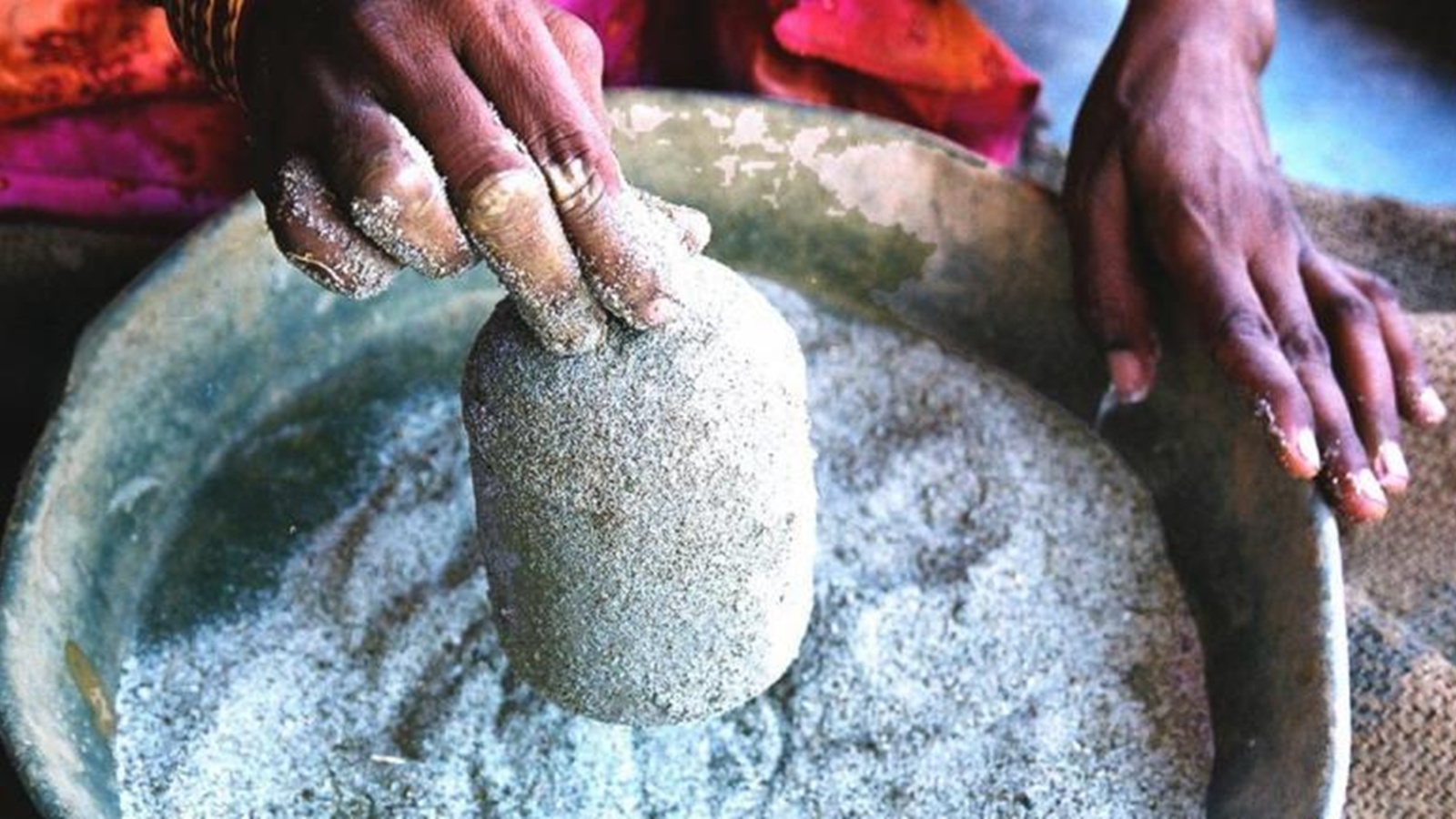
In the hamlet of Likir, the ancient craft of pottery is being reimagined. Australian ceramic artist Shupiwe, working alongside local potter Rigzen, is creating installations that challenge the very definition of sculpture. By mixing clay with mushroom substrate and seeds, Shupiwe has created 'living vessels.' Over the 10-day festival, these pieces are designed to sprout, bloom, or even crumble, reflecting the unpredictable nature of the environment.
Why This Matters
BozokMedia analysis shows that this Biennale shifts the focus from art as a static object to art as a site-responsive process. By integrating local materials like Rzda sa (iron-rich ritual clay), the artists are not just making art; they are conducting a dialogue with the land itself, making the environment a co-creator of the work.
"Every signal is a call, a beacon, a transmission to the beyond," says curator Vishal K. Dhar.
Another striking installation, 'The Bell Tolls for You', by artists Himali Singh Soin and David Soin, transforms a pedestrian bridge in the Nurla Valley into a musical instrument. As visitors walk across, the movement triggers bells, creating a symphony that resonates through the mountains. This piece serves as a poignant reminder of unity in a region that has faced significant socio-political tensions and border disputes.
Historical Background
Ladakh has historically been a vital junction on ancient trade routes, blending Tibetan, Indian, and Central Asian influences. The traditional pottery techniques used in villages like Likir, involving hand-spun wheels and cow-dung kilns, represent centuries of human adaptation to high-altitude living.
Frequently Asked Questions
1. What is the central theme of the Biennale?
The theme is 'Signals from Another Star,' inspired by Hermann Hesse’s literature, focusing on the land's memory and environmental signals.
2. Where can visitors experience the Biennale?
The event is spread across 8 locations along the 230 km stretch between Leh and Kargil.
.png)