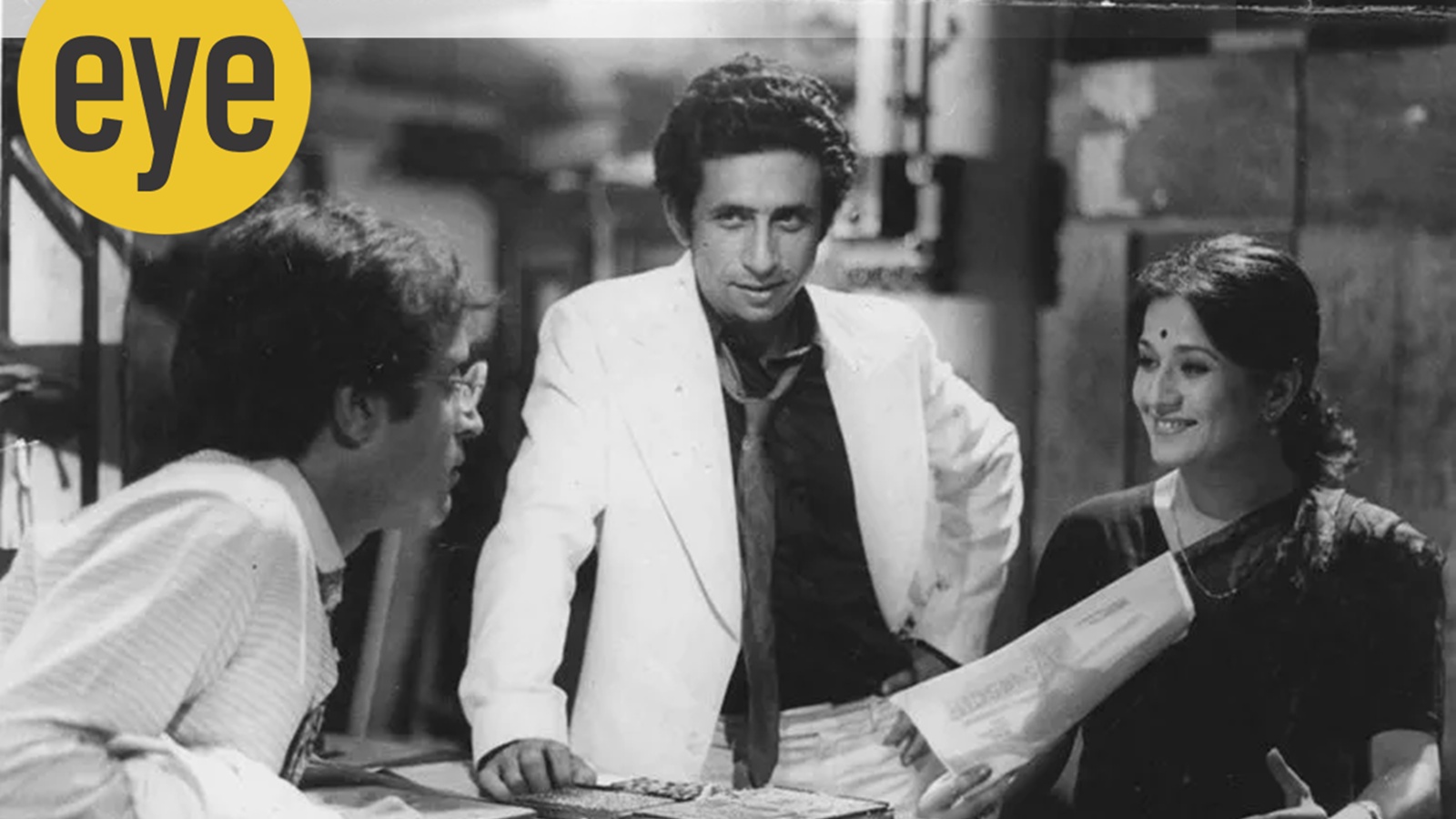
When direct criticism is silenced, humor becomes the ultimate voice of dissent. Five cultural icons share the satirical works that define their worldview.
Key Takeaways
- Satire and humor serve as vital instruments to keep democracy alive and challenge authoritarianism.
- Films like 'Jaane Bhi Do Yaaro' and shows like 'Yes Minister' expose corruption and bureaucratic absurdities.
- From R.K. Laxman’s cartoons to Kerala’s 'Chakyar Koothu', satire has a deep-rooted tradition in India.
In a democracy, when direct criticism becomes difficult, humor and satire emerge as unique voices of resistance. Through cartoons, cinema, theatre, and literature, satirists have always highlighted the flaws of those in power. On this Independence Day, five prominent voices from the cultural world have shared their favorite works of political satire.
Cinema and Theatre: Mirrors to Absurdity
Renowned filmmaker Saeed Mirza identified Kundan Shah's timeless film 'Jaane Bhi Do Yaaro' as his favorite. He noted that the film is a 'theatre of the absurd' that transcends Mumbai to critique corruption, waste, and incompetence globally, even mocking the role of the press.
Similarly, scientist Amal Allana spoke of Bertolt Brecht’s 'The Resistible Rise of Arturo Ui'. This scathing satire, based on the rise of Adolf Hitler, uses the metaphor of a circus to navigate the terrifying transition from farce to fascist violence.
BozokMedia Analysis: Why Humor Matters in Democracy
BozokMedia analysis shows that humor is far more than mere entertainment; it is a mechanism to puncture the arrogance of the state. When a government attempts to crush laughter through power, it ultimately loses the battle for public sentiment.
Humor enlivens democracy, brings consensus, provokes introspection, and punctures arrogance.
Former Member of Parliament Ravi Shankar Prasad highlighted the BBC series 'Yes Minister', noting how it exposed the absurdities of bureaucracy with wit. He also recalled moments in the Indian Parliament where humor was used to challenge political narratives effectively.
Economics professor Sumangala Damodaran emphasized the impact of R.K. Laxman’s cartoons and the traditional 'Chakyar Koothu' of Kerala. In the latter, the performer has the unique license to mock even the king, often while the king himself sits in the audience laughing.
Frequently Asked Questions
Question 1: What is the primary role of political satire?
Answer: Its role is to use humor to expose corruption, social hypocrisy, and the inefficiencies of those in power.
Question 2: Why is 'Jaane Bhi Do Yaaro' still relevant?
Answer: It remains relevant because it captures universal themes of corruption and media manipulation that persist in modern society.


.jpg)