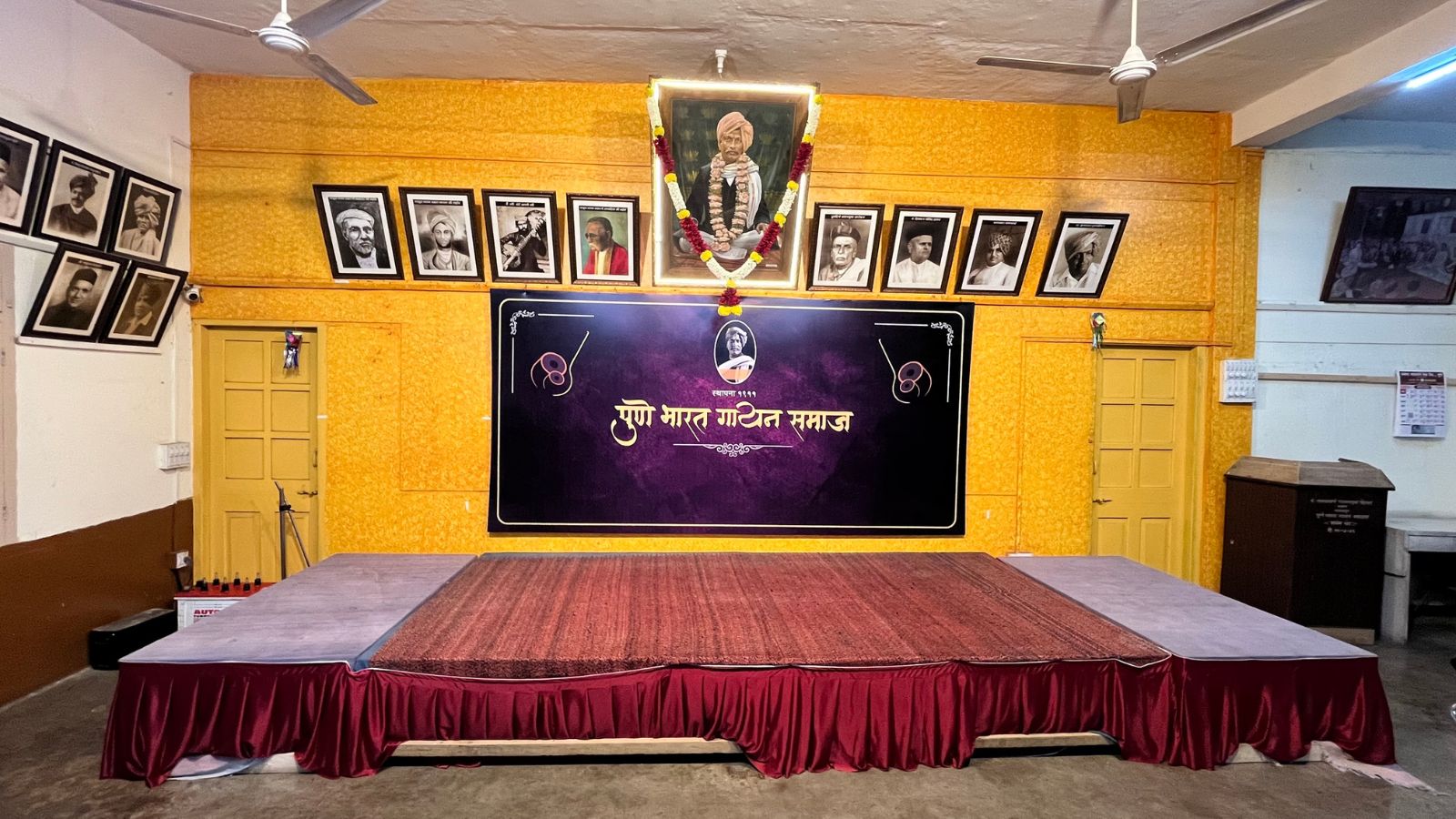
For more than 115 years, the Pune Bharat Gayan Samaj has stood as a sanctuary for Indian classical music. Located in the historic residence of India's first female doctor, Anandibai Joshi, this legendary institution continues to train hundreds of students, preserving rare musical archives and traditional heritage for future generations.
- Founded in 1911, Pune Bharat Gayan Samaj has spent over 115 years preserving and teaching Indian classical music.
- The institution operates out of the historic residence of Dr. Anandibai Joshi, India’s first female physician.
- With over 250 active students and 55 affiliated organizations, the Samaj bridges traditional Gurukul values with modern education.
In the heart of Pune, inside the historic residence associated with India’s first woman doctor, Dr. Anandibai Joshi, lies a place where music has been nurtured for more than a century. Pune Bharat Gayan Samaj, over 115 years old, is more than an institution; it is a living reminder of Pune’s deep cultural and musical heritage. Here, classes are held every day for different batches of budding musicians, concerts are organized, and one can access great works of literature on music in the old library.
Founded in 1911 under the patronage of the Kirloskar Natak Mandali, the Samaj began with a clear purpose: to preserve, teach, and popularize Indian classical music. Over the years, it became a meeting point for some of the finest names in Indian music and theatre, including Pandit Bhaskarbuwa Bakhale, Master Krishnarao, Bal Gandharva, and Govindrao Tembe. Their association helped establish the Samaj not merely as a music school, but as a center of learning and artistic thought.
Why This Matters
BozokMedia analysis shows that institutions like the Pune Bharat Gayan Samaj are critical in preventing the dilution of classical art forms in an increasingly digital and fast-paced world. By maintaining structured training and preserving archival materials, they ensure that cultural identity remains intact across generations.
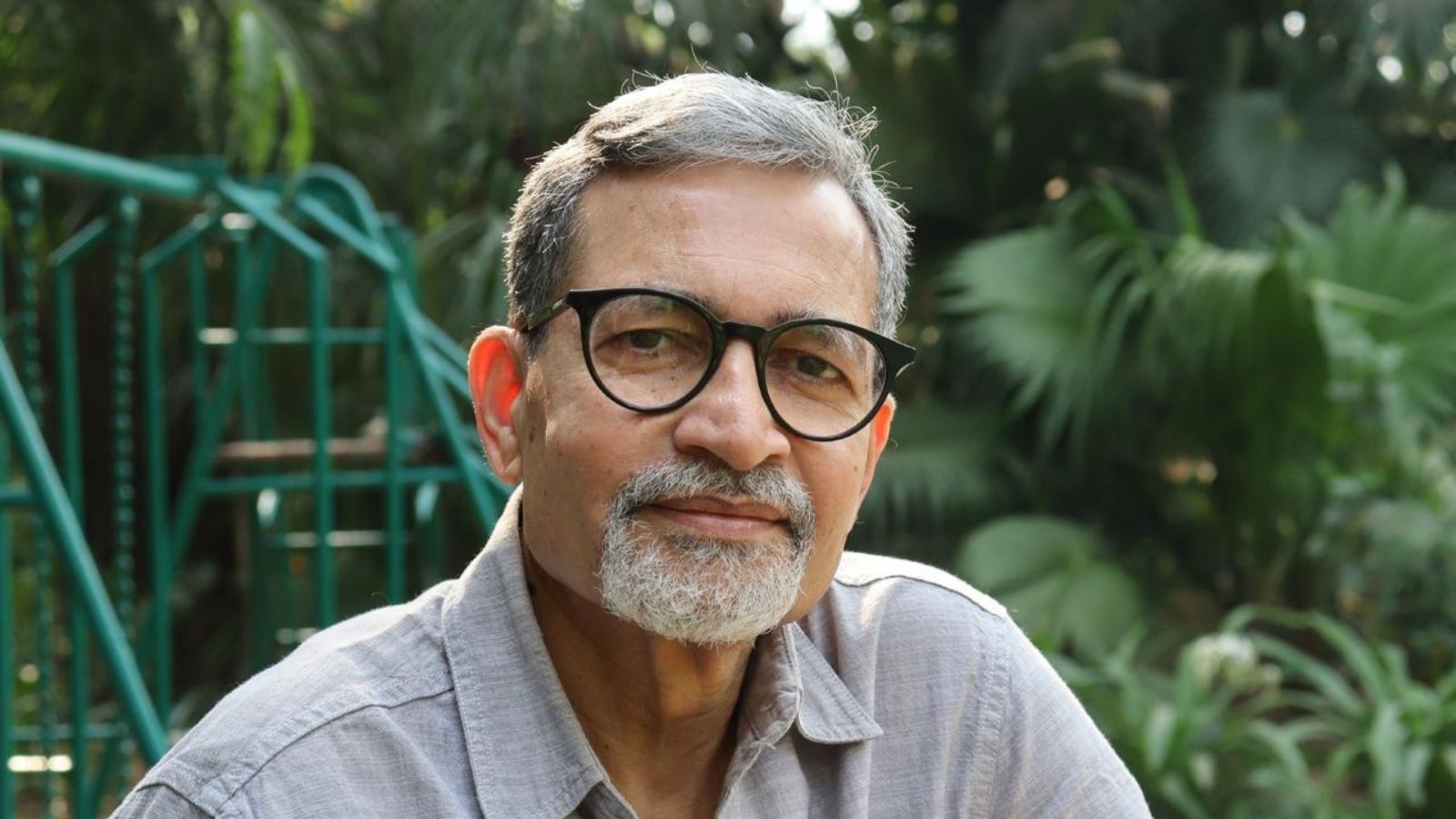
"Heritage survives not merely because it is old, but because people continue to care for it, preserving the artistic soul of our ancestors." — Sameer Puntambekar, Trustee
Another remarkable treasure within Bharat Gayan Samaj is its library, which preserves a collection of rare books and writings that are difficult to find anywhere else in the country. Some of these works date back to the institution’s early years, making the library a valuable record of India’s classical music tradition. It houses writings by renowned personalities such as Bharat Ratna Pandit Bhimsen Joshi and several other celebrated scholars and musicians. Many of these books have survived for generations and carry the knowledge, ideas, and experiences of an earlier era.
Looking ahead, the Bharat Gayan Samaj is focusing on its future while remaining firmly rooted in its traditions. Its vision includes strengthening residential Gurukul-style learning and providing talented students from across the country with an opportunity to receive intensive training in Indian classical music. Though modernization has slightly adjusted the teaching techniques, the core essence of the music remains unchanged.
| Feature | Traditional Gurukul System | Modern Hybrid Training |
|---|---|---|
| Learning Environment | Immersive, residential, close personal mentorship. | Flexible batches, structured hours, digital aids. |
| Curriculum Structure | Oral tradition, highly personalized pace. | Standardized syllabus, examinations, affiliations. |
| Reach & Accessibility | Limited to selected close disciples. | Mass outreach, over 250+ active students, 55 affiliates. |
Frequently Asked Questions
Q1: When was the Pune Bharat Gayan Samaj founded?It was founded in 1911 under the patronage of the Kirloskar Natak Mandali to preserve and popularize Indian classical music.
Q2: Who are some of the legendary musicians associated with this institute?Legendary figures such as Pandit Bhaskarbuwa Bakhale, Master Krishnarao, Bal Gandharva, Govindrao Tembe, and Bharat Ratna Pandit Bhimsen Joshi have been associated with or have visited the institution.