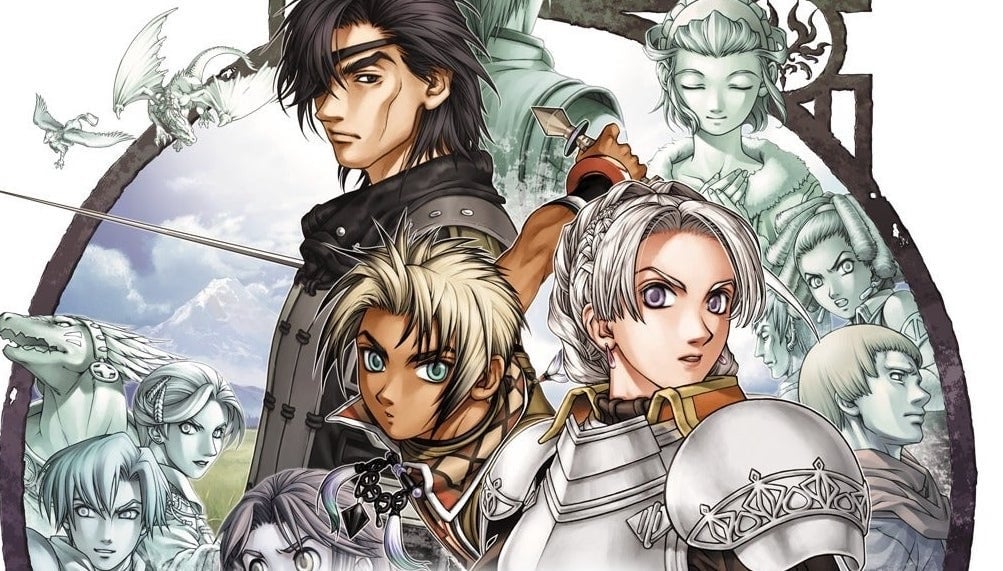
Suikoden 3 transcends the traditional JRPG formula by implementing the Trinity Sight System, offering a nuanced look at war, leadership, and the subjectivity of truth.
- Introduction of the Trinity Sight System for multi-perspective storytelling.
- Shift from binary 'Good vs Evil' to systemic conflict and misunderstood motivations.
- Critical exploration of how bureaucracy and prejudice fuel cycles of violence.
Suikoden 3, released in 2002, stands as one of the most ambitious titles of the PlayStation 2 era. While its predecessor, Suikoden 2, is often hailed as one of the greatest JRPGs ever made, the third installment offers a different kind of brilliance—one rooted in narrative complexity and philosophical depth.
The Trinity Sight System: Deconstructing the Truth
At the core of Suikoden 3 is the Trinity Sight System. Unlike traditional linear narratives, this system allows players to experience the plot through three different protagonists. This design choice serves a greater purpose: it illustrates that history is not a straight line, but a collection of overlapping perspectives, often clouded by bias and missing information.
Why This Matters
BozokMedia analysis shows that Suikoden 3 evolved the series by moving away from the archetypal villain. In previous entries, characters like Luca Blight represented pure evil. In Suikoden 3, the antagonist is the system itself. The conflict between the Grasslanders and the Zexen Federation is driven by ingrained hatred and institutional failure, making the tragedy feel far more realistic and poignant.
"Suikoden 3 is less of a traditional quest and more of a sociological study on how misinformation can turn allies into enemies and vice versa."
A Tale of Two Worlds: Grasslands vs. Zexen
The narrative tension is exemplified through the characters of Hugo and Chris. Hugo represents the innocent, wide-eyed youth of the Grasslands, while Chris embodies the disciplined but conflicted nobility of the Zexen Federation. Their interaction is a microcosm of the larger war—marked by initial curiosity, interrupted by prejudice, and eventually shattered by violence.
The emotional weight of the game peaks during the tragedy involving Lulu. The slow-motion realization of loss serves as a brutal awakening for the player, shifting the game from a political drama to a personal tragedy. It forces the player to question the 'righteousness' of any side in a conflict.
| Feature | Suikoden I & II | Suikoden III |
|---|---|---|
| Narrative Structure | Linear progression | Branching (Trinity Sight) |
| Antagonist Type | Overtly Evil (e.g., Luca Blight) | Systemic/Grey Morality |
| Visual Style | 2D Sprite Art | Early 3D Environments |
Frequently Asked Questions
Q1: What is the Trinity Sight System?
A: It is a storytelling mechanic where the plot is split among three protagonists, allowing players to see the same events from different perspectives.
Q2: Does Suikoden 3 require knowledge of previous games?
A: While it is part of a series, the core plot of Suikoden 3 is self-contained, though knowing the lore of the first two games adds emotional depth.


