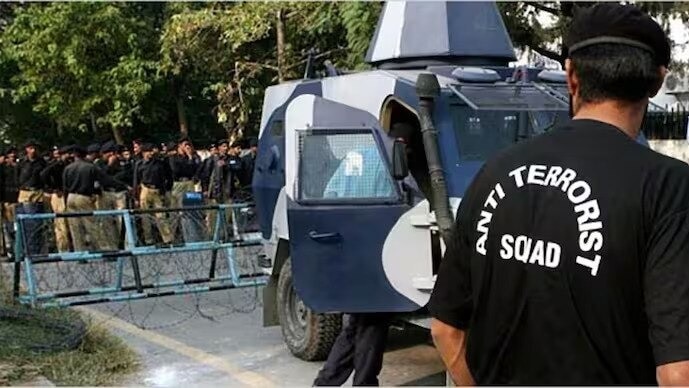
Maharashtra's Anti‑Terrorism Squad (ATS) has placed 102 people under investigation for alleged contact with Pakistani gangster Shahzad Bhatti’s online network. Authorities warn that social‑media outreach is targeting vulnerable youth for anti‑national activities.
Key Takeaways
- Maharashtra ATS probes 102 persons for alleged ties to Shahzad Bhatti
- Suspected use of Facebook, Instagram, Telegram and WhatsApp for recruitment
- Public advisory issued to safeguard youth from online radicalisation
The Maharashtra Anti‑Terrorism Squad (ATS) has initiated a statewide investigation involving 58 teams from 14 units, focusing on 102 individuals suspected of interacting with Pakistani gangster Shahzad Bhatti since the early hours of July 10. The probe underscores a growing concern that trans‑national criminal networks are exploiting digital platforms to radicalise Indian youth.
Background on Shahzad Bhtti
Shahzad Bhatti is a well‑known figure in cross‑border organised crime, linked to drug trafficking, illicit arms movement, and alleged terrorist financing. Intelligence agencies have long tracked his attempts to expand influence beyond Pakistan, and recent evidence suggests a concerted effort to build an online recruitment pipeline targeting India’s vulnerable demographics.
Online Recruitment Tactics
According to ATS sources, Bhatti’s operatives—including Abid Jat (alias Abid Chhal), Ajmal Gujar, Hammad Memon, Rana Hunain, and Ashraf Bashir Alam—have been leveraging popular social‑media channels such as Facebook, Instagram, Telegram, and WhatsApp. They circulate tailored propaganda that exploits economic hardship, promising quick cash for seemingly innocuous tasks, thereby luring unemployed or financially strained youths into a covert network.
Potential Threats to National Security
Preliminary intelligence indicates the network aims to establish local sleeper cells capable of gathering sensitive information, facilitating drug trade, and supporting illegal arms logistics. If unchecked, such cells could amplify existing communal tensions and pose a direct challenge to India’s internal security architecture.
Government Advisory and Public Responsibility
The ATS has issued a public advisory urging citizens—especially young internet users—to exercise caution when approached by unknown individuals online. Parents are specifically urged to monitor their children’s digital footprints, report any suspicious behaviour, and refrain from sharing content that could inflame social or religious discord.
Broader Implications for Cyber Security
This case highlights the urgent need for stronger cyber‑security frameworks, cross‑border intelligence cooperation, and targeted digital‑literacy programmes. Experts argue that without coordinated policy responses, criminal syndicates will continue to weaponise social media to undermine national stability.