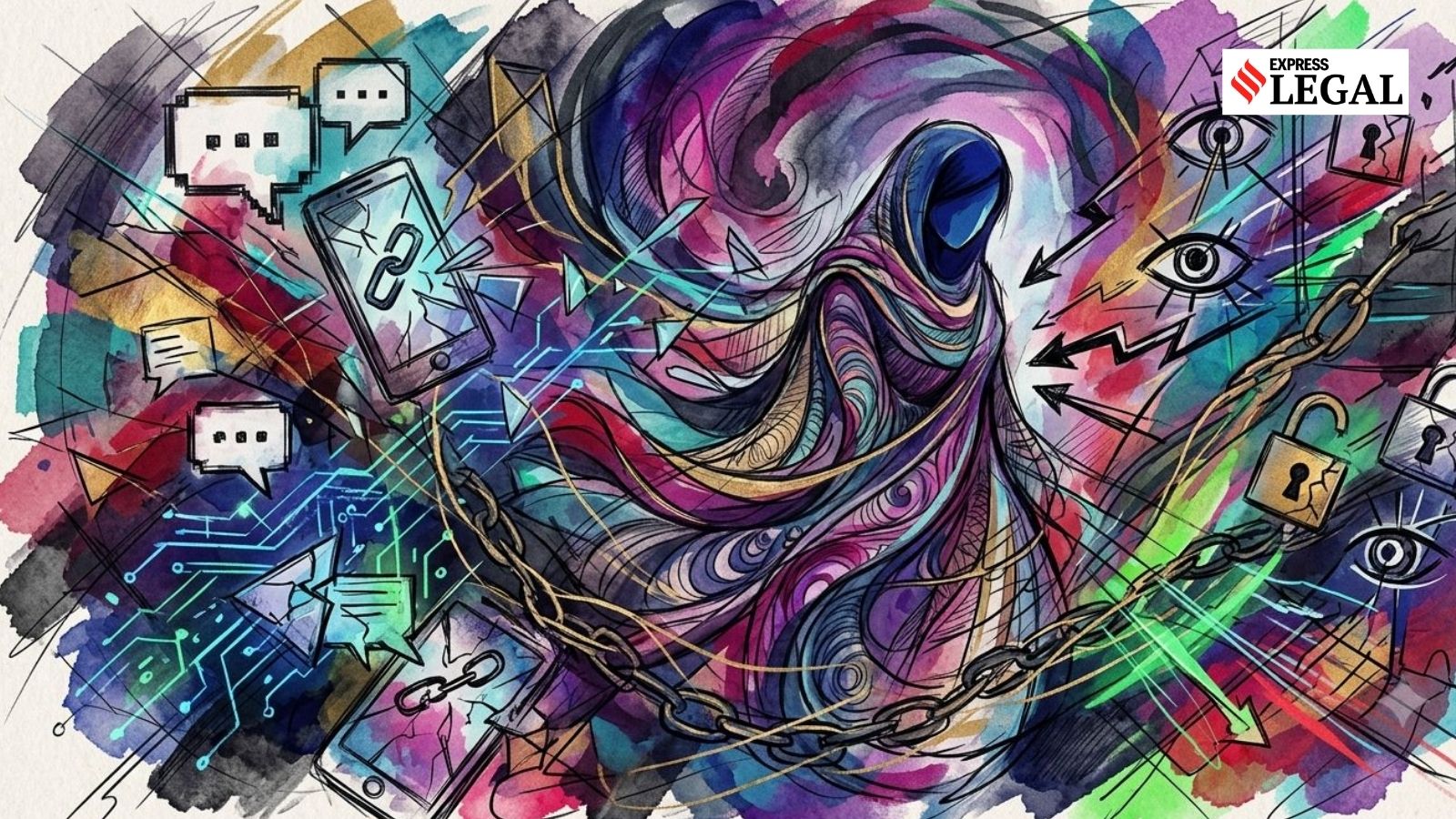
The Madras High Court upheld a conviction for digital sexual exploitation, highlighting the severe mental strain on judges and investigators who must view graphic evidence. The court called for systemic reforms to protect both victims and the justice system.
Key Takeaways
- Harsh legal sanction for digital sexual exploitation of women
- Judges and investigators suffer significant psychological stress from viewing graphic content
- Urgent need for systemic reforms in evidence handling and mental health support
On July 14, the Madras High Court delivered a landmark judgment, affirming the conviction of a man who sexually exploited women through non‑consensual recordings and blackmail. Justices N Anand Venkatesh and K K Ramakrishnan observed that the digital era has shattered the protective wall surrounding the judiciary, forcing judges and investigators to watch the violence itself rather than merely analysing descriptions.
New Challenges in the Digital Age
The court noted that a woman investigating officer had to sift through nearly 60 files of hardcore, perverted material to locate a single relevant clip for the survivor. This forced exposure, the bench warned, amounts to “spectating the violation of human dignity.” The judgment invoked the timeless principle that modesty and privacy are integral to human dignity, referencing the biblical story of Adam and Eve as an early illustration of this instinct.
Accused’s Background and Trial Progress
The accused was first implicated in a 2020 cyber‑crime case after an iPhone 11 was seized containing obscene photographs and videos of several women, including the present complainant. His father was later named an accused following the recovery of a laptop. Police investigations uncovered 355 nude or semi‑nude videos and over 1,000 obscene photographs, leading to a comprehensive chargesheet filed on January 25, 2021.
Legal Arguments and Court Findings
Senior counsel V Kathirvelu, representing the accused, argued that the survivor faced pressure and intimidation from the investigating agency, casting doubt on the prosecution’s case. In contrast, Additional Public Prosecutor G Karuppasamy Pandian highlighted the survivor’s constant fear and threats from the accused, yet emphasized her courage in filing the complaint and enduring rigorous cross‑examination. The court concluded that the prosecution had proved the charges beyond reasonable doubt and upheld the conviction without any mitigation.
Implications and Forward‑Looking Statements
The judgment calls for specialized psychological support, trained evidence‑preview tools, and faster processing mechanisms to shield judicial officers from repeated trauma. By spotlighting the mental health impact of digital sexual crimes, the ruling sets a precedent for both Indian and international legal frameworks, urging a balance between victim protection and the wellbeing of those tasked with delivering justice.