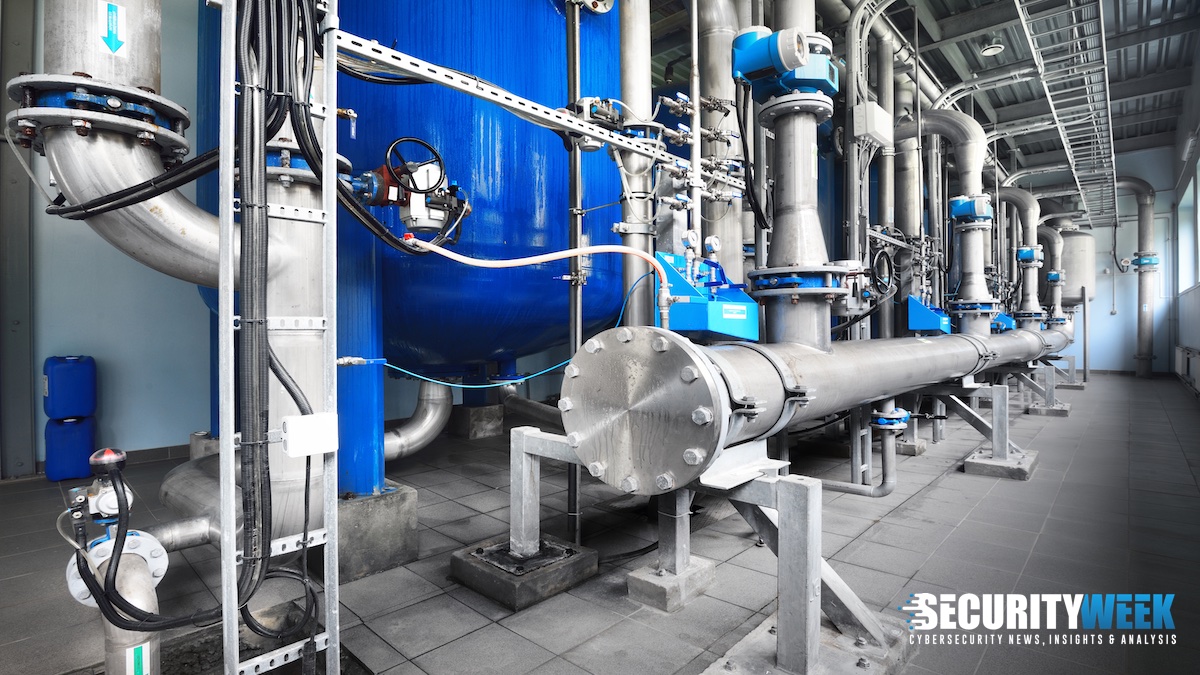
A massive hacking campaign is targeting water and wastewater facilities across at least 12 US states. Attackers are specifically exploiting industrial control systems, raising serious national security concerns.
Key Takeaways
- At least 12 US states have reported cyberattacks on water infrastructure.
- Attackers are targeting internet-exposed Rockwell Automation MicroLogix PLCs.
- Affected states include Minnesota, Michigan, South Dakota, and Georgia.
- Iran is considered a primary suspect in these coordinated attacks.
The scale of a recent hacking campaign targeting critical water and wastewater facilities in the United States continues to expand. Reports indicate that at least 12 states have been impacted, marking a significant escalation in threats against domestic infrastructure. While the full list of affected states remains partially undisclosed, authorities have confirmed disruptions in several regions.
Minnesota was among the first to report significant targeting, with over 30 community water systems hit in late July. Most recently, the Clayton County Water Authority in Georgia confirmed a temporary disruption that caused reduced water pressure in certain areas. While services were restored quickly, the incident underscores the vulnerability of local utilities.
Why This Matters
BozokMedia analysis shows that these attacks represent a shift from traditional data theft to the manipulation of physical operational technology (OT). By targeting Programmable Logic Controllers (PLCs), malicious actors can disrupt essential services, cause physical flooding, or potentially compromise water safety by altering pressure levels.
The targeting of internet-exposed PLCs allows remote actors to tamper with device configurations, leading to a total loss of visibility and control over critical equipment.
Historical Background
Historically, cybersecurity focused on protecting sensitive data and financial records. However, the rise of 'state-sponsored' cyber warfare has pivoted focus toward Industrial Control Systems (ICS). Recent years have seen increased attempts by foreign entities to probe the vulnerabilities of power grids, water supplies, and transportation networks.
Frequently Asked Questions
1. Is the drinking water safe to consume?
According to current official reports, drinking water remains safe, and no significant contamination has been reported.
2. Who is suspected of being behind the attacks?
Federal investigators are looking into Iran as a primary suspect, as recent patterns align with previous hacking campaigns linked to the nation.