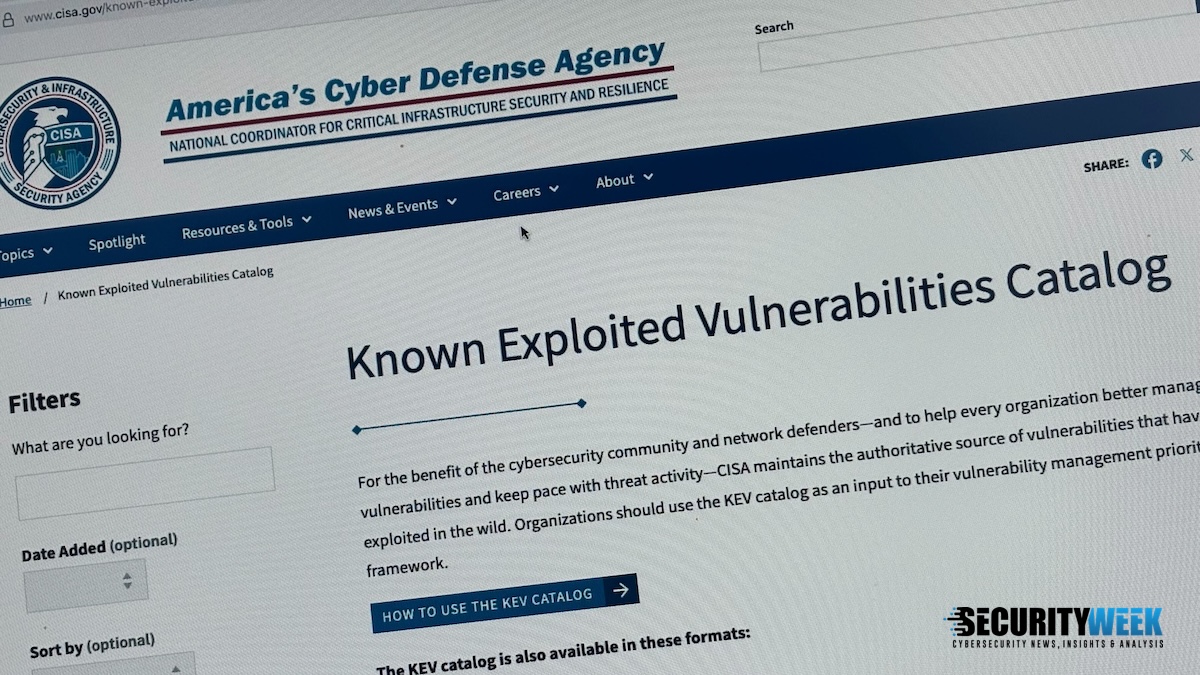
The US Cybersecurity and Infrastructure Security Agency (CISA) has issued an urgent warning regarding four critical vulnerabilities in Microsoft, VMware, and Apple products currently being exploited by threat actors.
- CISA has added four critical flaws in Microsoft, VMware, and Apple products to its Known Exploited Vulnerabilities (KEV) catalog.
- The vulnerabilities allow for remote code execution (RCE), authentication bypass, and full device takeover.
- Federal agencies are directed to complete patching by August 21.
The US Cybersecurity and Infrastructure Security Agency (CISA) issued a high-priority warning on Tuesday, calling for the immediate remediation of four significant vulnerabilities found in Microsoft, VMware, and Apple products. These flaws are not merely theoretical; they are being actively exploited in 'the wild' by sophisticated threat actors.
The disclosure highlights two major Microsoft defects: CVE-2026-33824 (CVSS score 9.8), a critical double-free issue in the Windows Internet Key Exchange (IKE) Service Extension, and CVE-2026-55040 (CVSS score 9.1), a weak authentication flaw in SharePoint. The Windows IKE defect is particularly dangerous, as it enables unauthenticated attackers to execute arbitrary code via specially crafted packets.
Technical Breakdown of the Threats
Reports from Palo Alto Networks indicate that the Windows IKE weakness has been utilized by Chinese-speaking threat actors in an AI-enabled autonomous hacking campaign. Additionally, the SharePoint vulnerability has seen a surge in targeting following the publication of a proof-of-concept (PoC) exploit earlier this month.
The speed at which attackers are moving from vulnerability disclosure to active exploitation marks a new era of AI-driven offensive security.
BozokMedia analysis shows that the landscape of cyber threats is shifting toward automation. The VMware vulnerability (CVE-2026-59310, CVSS 9.8) was exploited as early as August 3 to deploy SSH reverse shell frameworks. Similarly, the macOS Screen Sharing flaw (CVE-2026-65400) allowed attackers to bypass authentication, gain root access, and deploy Monero miners to hijack system resources.
Historical Context of Vulnerability Management
Historically, the window between the discovery of a vulnerability and its exploitation has been narrowing. CISA's Known Exploited Vulnerabilities (KEV) catalog serves as a critical roadmap for organizations, shifting the focus from patching everything to patching what is actually being used by attackers to breach networks.
| Product | CVE ID | CVSS Score | Primary Threat |
|---|---|---|---|
| Microsoft Windows | CVE-2026-33824 | 9.8 | Remote Code Execution |
| VMware vCenter | CVE-2026-59310 | 9.8 | Code Execution |
| Microsoft SharePoint | CVE-2026-55040 | 9.1 | Authentication Bypass |
| Apple macOS | CVE-2026-65400 | 7.5 | Unauthorized Root Access |
Frequently Asked Questions
1. What should I do if I use these products?
Immediately check for and install the latest security updates from Microsoft, Apple, and VMware. Do not delay.
2. Are these vulnerabilities affecting home users?
Yes, any individual using Windows, macOS, or VMware software is potentially at risk if they have not applied the latest patches.