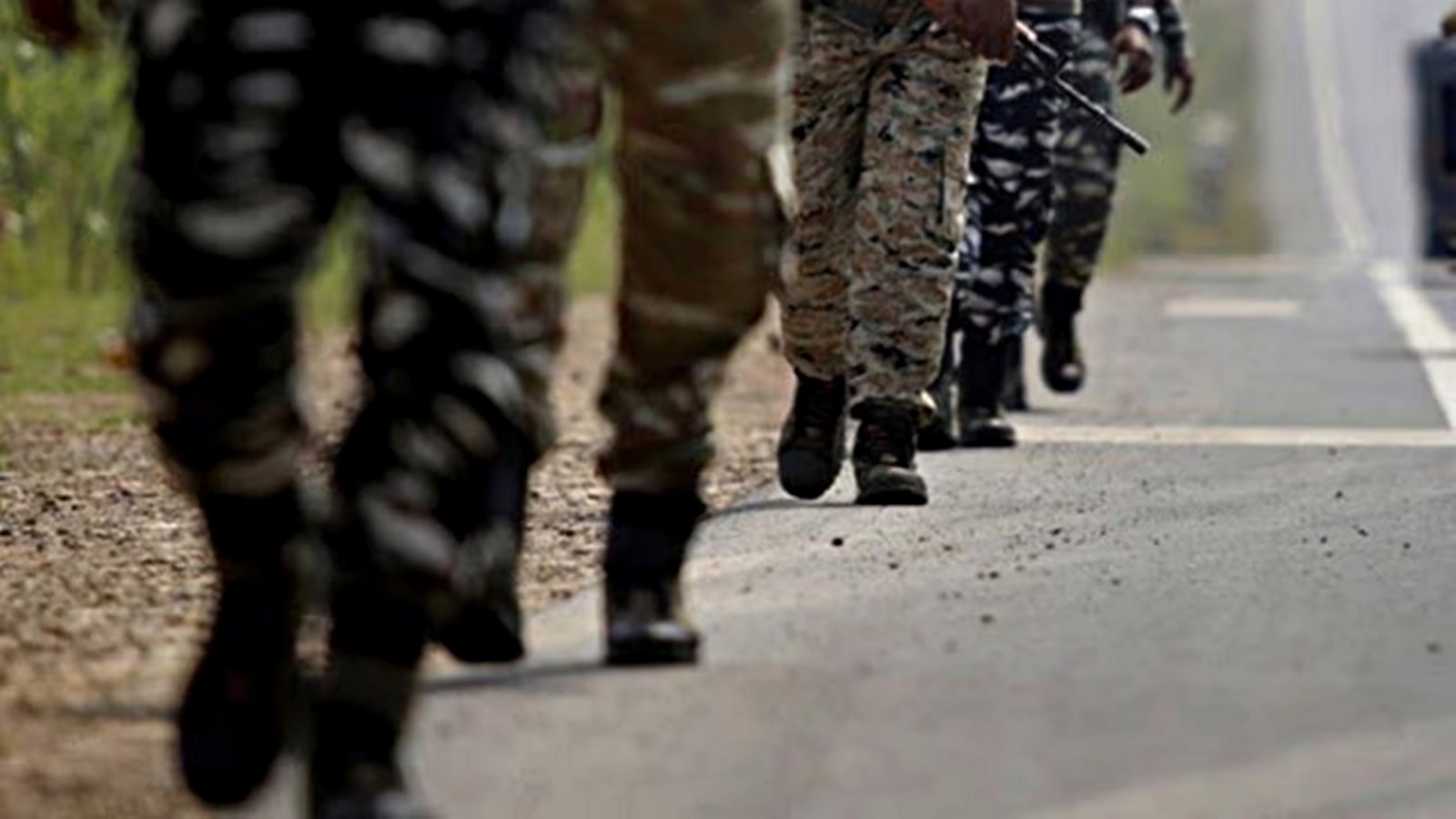
A record 59 CRPF personnel died by suicide in 2025, prompting the force to set up a high‑level core group for monthly case reviews and stronger preventive measures.
- 59 suicides recorded in 2025 – the highest in five years
- National Human Rights Commission demanded reports from Home Ministry and CRPF DG
- Core group, headed by DG GP Singh, will meet monthly to review cases
New Delhi – The Central Reserve Police Force (CRPF) has created a high‑level core group to curb the rising tide of suicides among its ranks. The move follows the tragic loss of 59 personnel last year, the highest figure since 2021.
The National Human Rights Commission (NHRC) took note of the spike and asked the Ministry of Home Affairs and the CRPF Director General for detailed reports. In response, senior officers convened at the CRPF headquarters earlier this month and agreed on a structured mechanism to investigate each incident, identify recurring risk factors, and bolster support systems.
The core group will be chaired by CRPF Director General GP Singh. It will convene every month, preferably in the third week, to scrutinise self‑harm cases reported in the preceding period, examining causes, welfare and psychological support availability, unit‑level preventive actions, and any systemic issues needing correction.
For each case, the battalion commander must deliver a concise four‑ to five‑slide presentation via video conference. The deck will cover the individual’s background, circumstances leading to the incident, actions taken by the unit, welfare and medical interventions, preliminary inquiry findings, and specific measures to prevent recurrence.
Supervisory officials—including the relevant DIG, IG, and ADG/SDG exercising operational control—will also attend the review remotely. The core group is tasked with objectively analysing each case, recommending preventive, welfare, administrative, and medical steps, and spotting common trends to propose force‑wide institutional reforms.
Why This Matters
BozokMedia analysis shows that unchecked mental‑health issues within paramilitary forces can erode operational readiness and public trust, making systematic interventions crucial for national security.
"Continuous mental‑health support and rapid intervention are essential to curb suicides within disciplined forces," says psychologist Dr. Ravi Shankar.
Frequently Asked Questions
Q1: How often will the core group meet?
A: The group will convene monthly, typically during the third week, via video conference.
Q2: What outcomes does the initiative aim for?
A: The primary goals are to reduce suicide incidents, provide robust mental‑health support, and ensure swift unit‑level response to at‑risk personnel.