U.S. cybersecurity agencies have issued a high-level warning regarding hackers using Artificial Intelligence to exploit Siemens controllers in vital water infrastructure.
- Hackers are specifically targeting Siemens S7 programmable logic controllers (PLCs).
- Artificial Intelligence (AI) is being used to generate automated exploit scripts.
- Critical infrastructure risks include service downtime, safety incidents, and equipment damage.
- Intrusions have been reported in Minnesota, Michigan, Georgia, and other states.
In a growing escalation of cyber warfare, U.S. security agencies including CISA, the FBI, and the NSA have issued a formal warning. They have identified a concerted effort by hackers to breach Siemens devices that are integral to the nation's critical infrastructure, particularly within water supply and wastewater management systems.
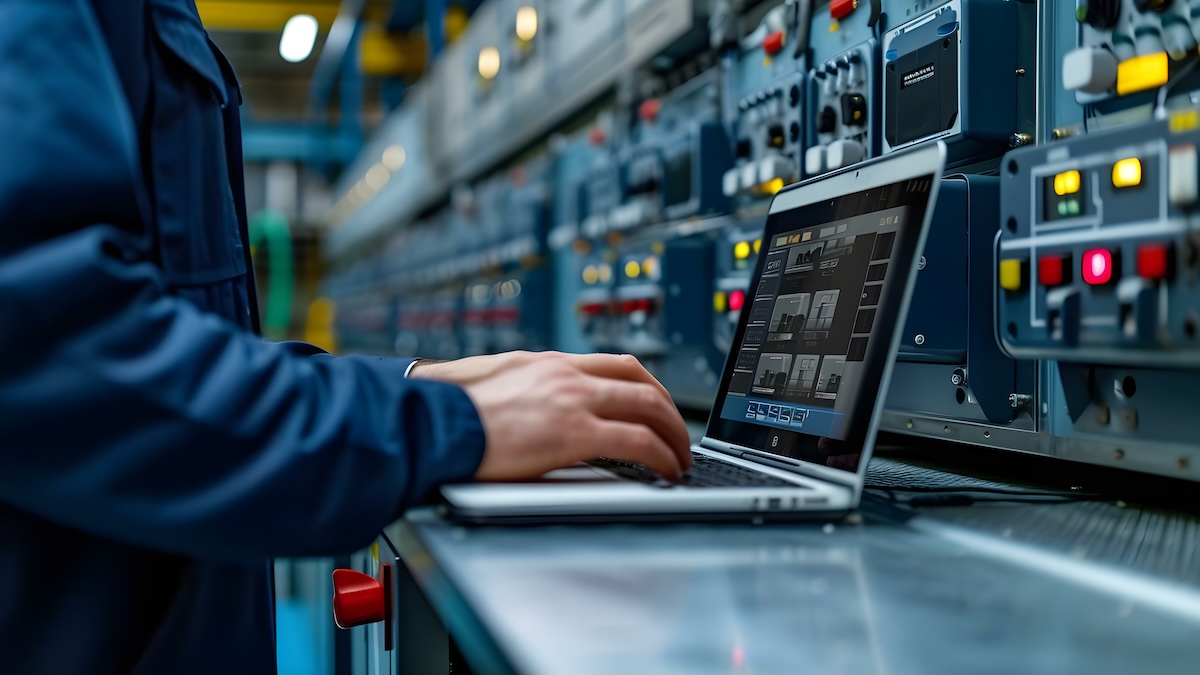
The primary targets identified are the Siemens S7 programmable logic controllers (PLCs). These sophisticated devices are the backbone of automated processes in essential sectors such as energy, water treatment, manufacturing, and agriculture. According to CISA, a successful breach could lead to significant operational downtime, serious safety incidents, or permanent physical damage to the infrastructure itself.
The AI Factor: A New Era of Attacks
What distinguishes this wave of attacks is the integration of Artificial Intelligence (AI). Security officials revealed that hackers are leveraging AI to analyze publicly available data to craft highly effective exploit scripts. These AI-driven scripts are designed to scan for and exploit controllers running outdated software or those lacking robust security protocols.
The use of AI to automate the discovery of vulnerabilities in industrial control systems represents a paradigm shift in the threat landscape.
Why This Matters
BozokMedia analysis shows that the convergence of AI and industrial control systems (ICS) creates a massive vulnerability gap. As critical infrastructure becomes increasingly interconnected, the surface area for attacks grows. This is particularly dangerous for rural communities where infrastructure may be geographically vast and harder to secure against remote, AI-driven intrusions.
This warning follows a series of escalating cyberattacks attributed to suspected Iranian hackers. The intelligence community has noted a significant increase in the sophistication and frequency of these attempts since hackers began targeting internet-connected critical systems. Reported intrusions have already been confirmed in Minnesota, Michigan, Arkansas, Georgia, and New Jersey.
Historical Background
Historically, industrial control systems were "air-gapped," meaning they were physically disconnected from the internet to prevent remote access. However, the modern push for digital transformation and remote monitoring has connected many of these systems to the web, inadvertently exposing them to global cyber threats and sophisticated state-sponsored actors.
Frequently Asked Questions
1. What are Siemens S7 controllers?
They are industrial computers used to automate physical processes in utilities and manufacturing plants.
2. Why is AI a threat in this context?
AI allows hackers to automate the process of finding and exploiting software bugs much faster than a human could.