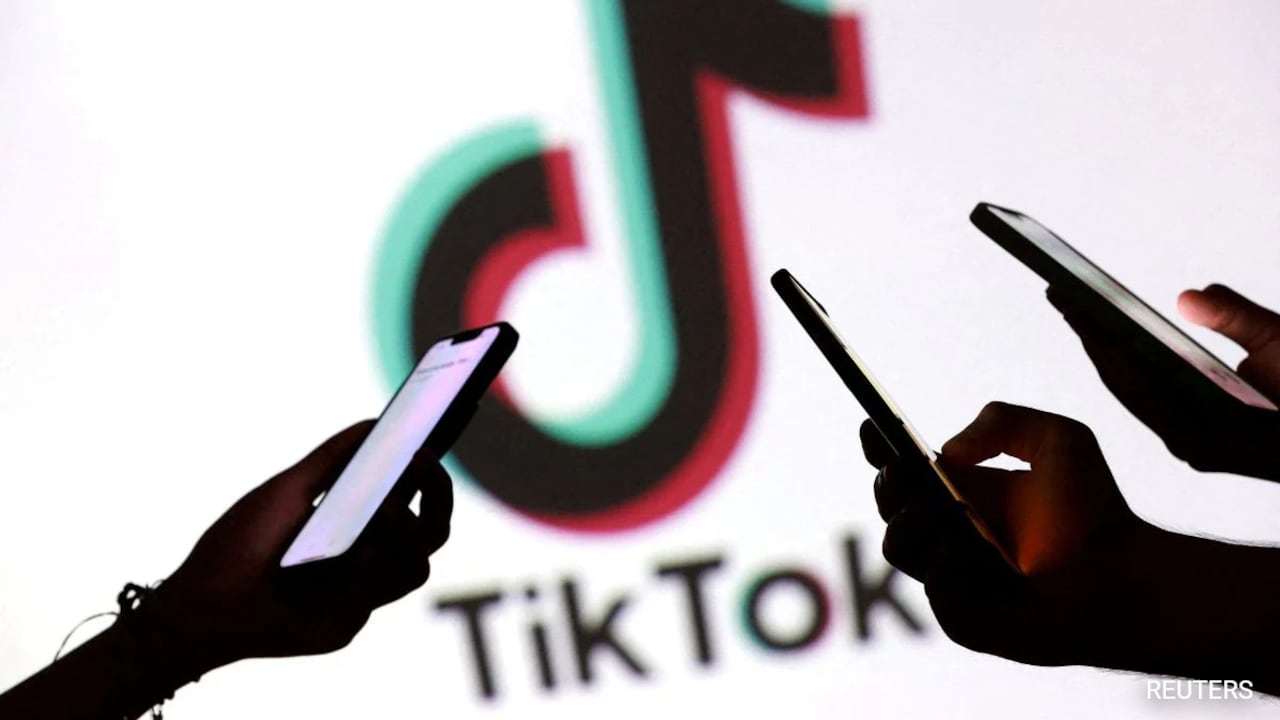
In a surprising policy shift, the US government is easing restrictions on downloading TikTok on official devices under strict data-sharing and algorithmic testing conditions. This marks a new chapter in the ongoing national security debate.
Key Takeaways
- Federal employees may download TikTok on official devices under new compliance and safety frameworks.
- TikTok has agreed to retrain, test, and update its content recommendation algorithm on US-based user data.
- The move addresses long-standing national security and data privacy concerns raised since the 2022 federal ban.
The United States government has initiated a calibrated shift in its stance toward the popular short-video application TikTok. Previously subjected to a blanket ban on federal devices under a 2022 law, select government personnel and agencies may now access the platform under strict regulatory supervision. This development follows TikTok's commitment to isolate its core technologies and run its operations under highly monitored environments.
Historical Background
In December 2022, the US Congress passed the "No TikTok on Government Devices Act" due to escalating fears that the Chinese parent company, ByteDance, could be forced to share sensitive user data with the Chinese government. The ban represented a rare bipartisan consensus on cybersecurity risks. However, TikTok's aggressive lobbying and technological restructuring—known as Project Texas—aimed to address these concerns by routing US user data through Oracle's cloud infrastructure.
As part of its latest compliance push, TikTok announced in January that it will retrain, test, and update its content recommendation algorithm exclusively on US user data. This move is designed to ensure that the algorithm is free from foreign manipulation or covert influence campaigns. By allowing federal experts to audit the algorithm's code on US soil, the company hopes to rebuild trust with Washington's defense and intelligence communities.
| Feature | Old Policy (2022 Ban) | New Policy (Current Shift) |
|---|---|---|
| Federal Device Access | Completely prohibited for all agencies | Conditional access allowed under strict safety audits |
| Algorithmic Training | Processed on global servers | Exclusively retrained on US-based user data |
| Data Security | Unverified third-party storage | Managed securely via Oracle Cloud infrastructure |
Why This Matters
BozokMedia analysis shows that this policy shift represents a pragmatic middle ground between absolute prohibition and unregulated access. By allowing controlled access, US cybersecurity agencies can directly monitor how TikTok's algorithm behaves in real-time. This hands-on approach provides the government with deeper insights into potential cognitive warfare and data harvesting techniques, turning a defensive ban into an active intelligence-gathering opportunity.
Furthermore, this decision will have massive implications for the global tech sector and digital trade policies. If TikTok successfully navigates this joint auditing framework, it could establish a blueprint for other foreign tech firms operating in highly sensitive markets. It shifts the geopolitical tech war from outright bans to rigorous, continuous algorithmic verification and localized compliance.
"The transition from a blanket ban to an audited access model shows that the US government is prioritizing algorithmic transparency over geopolitical posturing." — Cybersecurity Analyst, BozokMedia.
Frequently Asked Questions
Q1: Why did the US ban TikTok on government devices in 2022?
A1: The ban was enacted due to national security concerns that the Chinese government could access US federal employee data or influence public discourse via ByteDance.
Q2: What does retraining the algorithm on US data mean?
A2: It means TikTok will modify and test its recommendation systems using only data stored in the US, preventing foreign entities from manipulating the content feed.