A leaked memo from WaterISAC connects a wave of disruptive cyberattacks on Minnesota's water systems to Iranian-affiliated hackers, signaling a major escalation in cyber warfare.
Key Takeaways
- A leaked WaterISAC memo links Minnesota water utility breaches to Iran.
- The attacks targeted Programmable Logic Controllers (PLCs) to disrupt water pressure and safety.
- CISA has issued urgent advisories to secure critical water infrastructure.
A leaked internal memo has revealed that the unprecedented wave of disruptive cyberattacks hitting Minnesota's water and wastewater utilities is tied to Iran. The communication, obtained by WIRED, was sent to members of WaterISAC, an industry group dedicated to sharing cybersecurity intelligence among water utilities.
Targeting Critical Civilian Infrastructure
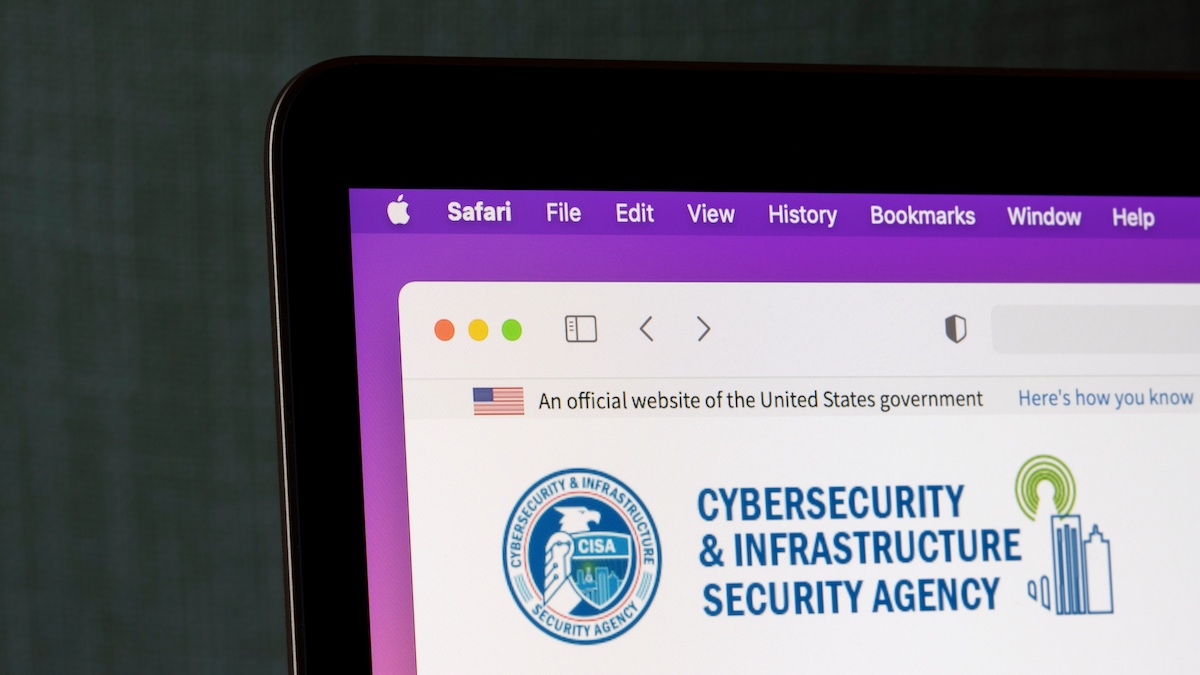
The memo highlights that the Minnesota Fusion Center issued an alert regarding ongoing malicious activity impacting public drinking water systems. These attacks align with a hacking campaign previously identified by the Cybersecurity and Infrastructure Security Agency (CISA) as being carried out by "Iran-affiliated" actors. This represents a significant shift toward targeting civilian infrastructure, a tactic frequently seen in state-sponsored warfare.
Why This Matters: BozokMedia Analysis
BozokMedia analysis shows that this is not merely a digital intrusion but a direct attempt to manipulate physical safety parameters. By targeting Programmable Logic Controllers (PLCs), hackers aim to cause operational disruptions, such as loss of system pressure or even water contamination. This moves the battlefield from the digital realm directly into the homes of unsuspecting citizens.
"Seeing this sort of tradecraft expand to Iran, and seeing it across multiple sites, it should really be making people concerned right now." — Joe Slowik, Cybersecurity Researcher.
In the municipality of Braham, the hacking reportedly led to a brief outage at the water plant. While officials maintain that the water supply remains safe, the attacks have necessitated "boil-water notices" in some areas, indicating the high level of risk regarding potential contamination.
Attack Profile Comparison
| Attack Component | Standard Cybercrime | Iran-Linked Infrastructure Attack |
|---|---|---|
| Primary Objective | Financial Gain / Data Theft | Operational Disruption / Physical Impact |
| Target Asset | Servers & Databases | Industrial Control Systems (PLCs) |
| Societal Risk | Privacy Breach | Public Health & Safety Threat |
Frequently Asked Questions
1. Is the water in Minnesota safe to drink?
Yes, state officials have stated that all drinking water remains safe, and failsafes have protected the systems from major contamination.
2. Who is believed to be behind these attacks?
Cybersecurity firm Tenable suggests the group CyberAv3ngers, which is linked to the Iranian Revolutionary Guard Corps, may be responsible.