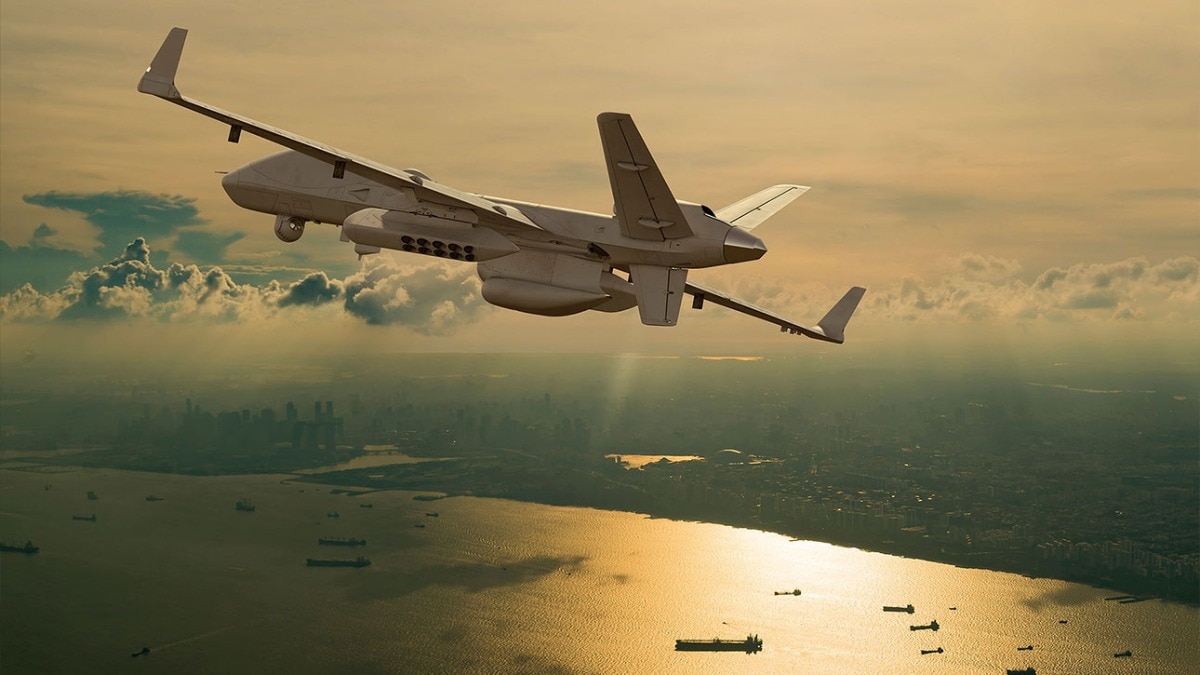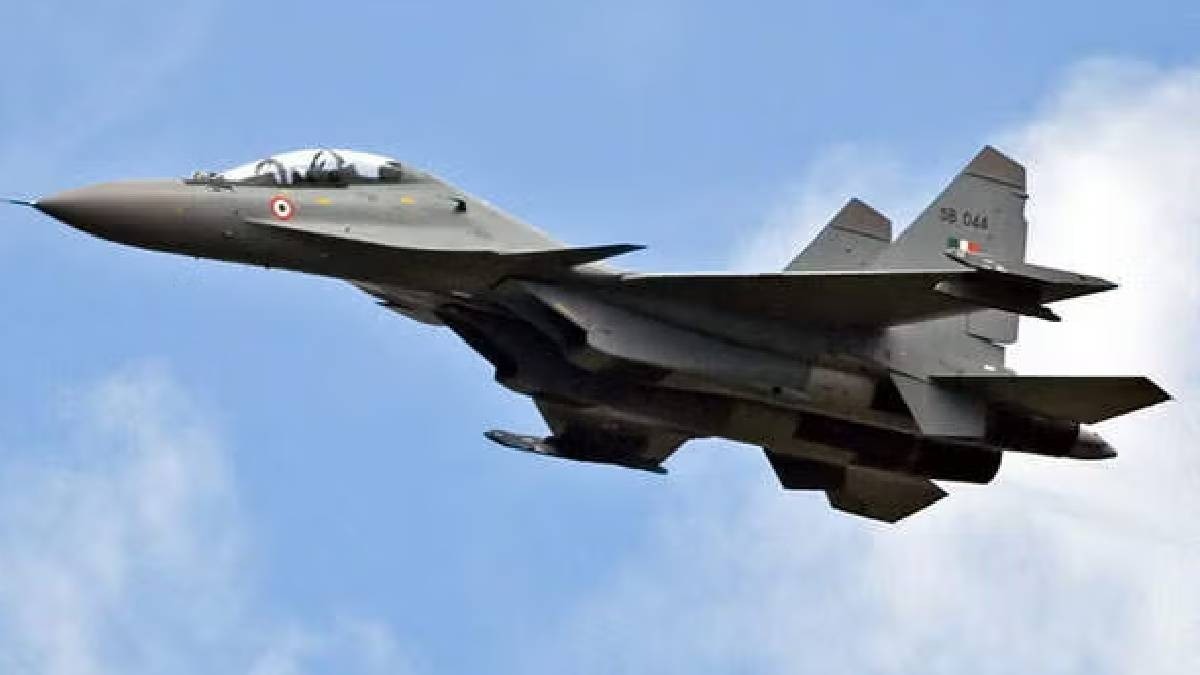
India is set to enhance its aerial dominance by integrating the Russian RVV-BD long-range air-to-air missile into its Su-30 MKI fighters, countering regional threats from China and Pakistan.
- Integration of Russian RVV-BD missiles with a 300km range into Su-30 MKI aircraft.
- Defence Acquisition Council (DAC) granted Acceptance of Necessity (AoN) for the project.
- Strategic move to counter China's PL-15 missiles used by Pakistan.
In a significant move to bolster its strategic air defense capabilities, India is proceeding with the integration of the Russian RVV-BD very-long-range air-to-air missile into its Su-30 MKI fighter fleet. This development comes at a critical juncture, just ahead of the scheduled visit of Russian President Vladimir Putin to New Delhi, signaling a continued deep-rooted defense partnership.
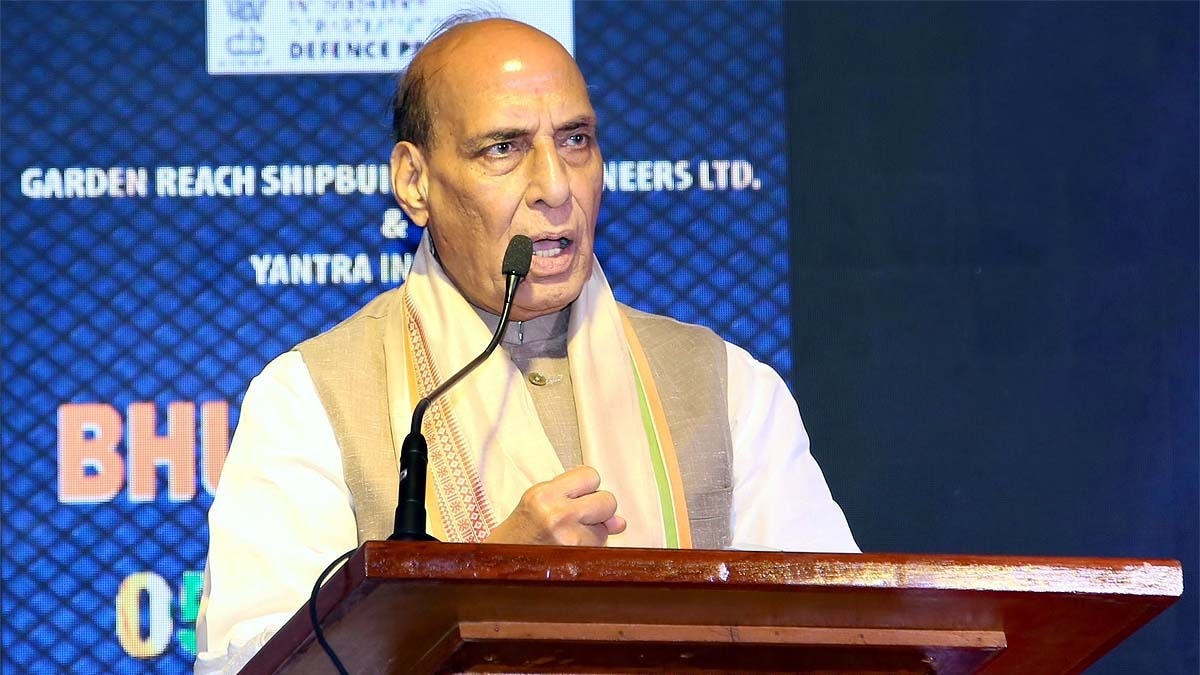
The proposal was brought before the Defence Acquisition Council (DAC), chaired by Defence Minister Rajnath Singh. During the meeting, the DAC accorded Acceptance of Necessity (AoN) for various proposals totaling Rs 1.10 lakh crore, which includes the vital integration of the RVV-BD missile system.
Expanding the Reach: Technical Superiority
The RVV-BD is specifically engineered to engage high-value, relatively slow-moving targets deep within defended airspace. This includes Airborne Early Warning and Control (AEW&C) aircraft, aerial refuellers, and long-range intelligence, surveillance, and reconnaissance (ISR) platforms. With a reported strike range of up to 300 km, it allows the IAF to neutralize critical assets before they can even detect Indian aircraft.
BozokMedia analysis shows that this acquisition is a direct response to the evolving missile capabilities of adversaries. Pakistan has previously claimed the use of Chinese-made PL-15 missiles during Operation Sindoor. By deploying the RVV-BD, India ensures that its Su-30 MKI—the backbone of the IAF with over 260 units—possesses a comparable or superior reach, effectively neutralizing the PL-15 advantage.
"The RVV-BD transforms the Su-30 MKI into a long-range interceptor, shifting the tactical balance in the region by extending the engagement envelope significantly."
Beyond the missile integration, the Su-30 MKI is undergoing the 'Super Sukhoi' upgrade. This comprehensive modernization includes the installation of a new AESA radar, advanced electronic warfare suites, and upgraded avionics, ensuring the aircraft can detect targets at distances that complement the RVV-BD's range.
| Feature | RVV-BD (Russia) | PL-15 (China) |
|---|---|---|
| Estimated Range | ~300 km | 200-300 km (Domestic) |
| Primary Targets | AWACS, ISR, Transport | Fighters, High-Value Assets |
| Carrier Platform | Su-30 MKI | JF-17, J-10C |
Frequently Asked Questions
Q1: What makes the RVV-BD different from standard air-to-air missiles?
A: Its extreme range (300km) allows it to target support aircraft like AWACS and tankers that usually stay far behind the front lines.
Q2: How does this affect the balance of power with Pakistan and China?
A: It negates the range advantage provided by the Chinese PL-15 missiles, ensuring the IAF can engage threats from a safer, longer distance.