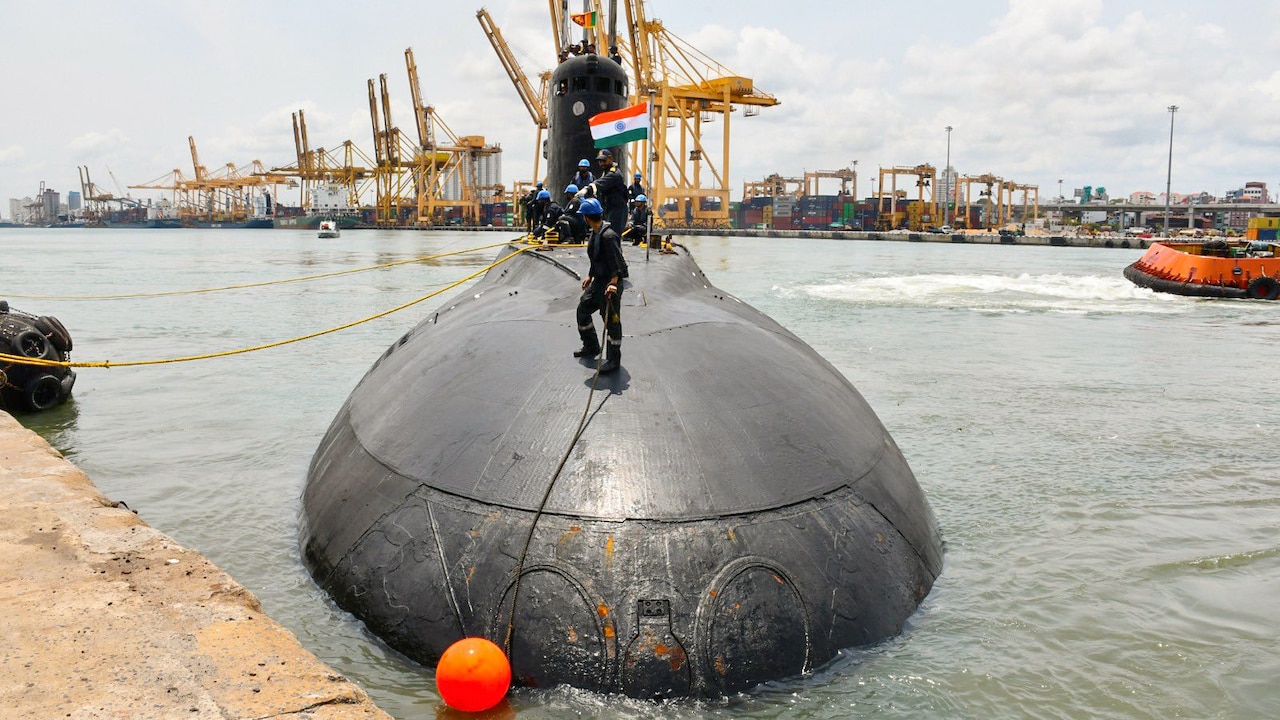
India's long‑awaited Project 75(I), aiming to build six advanced conventional submarines, is now close to a deal worth roughly $70,000 crore with Germany. The agreement could address the navy's shortfall in conventional submarine assets.
Key Takeaways
- Project‑75(I) involves constructing six advanced conventional submarines
- Deal value estimated at around Rs 70,000 crore
- High‑level talks with Germany expected soon
India has prioritized strengthening its maritime power through Project‑75(I), a programme to acquire six state‑of‑the‑art conventional submarines in partnership with German shipbuilders. The initiative promises to fill a critical gap in the Indian Navy’s diesel‑electric fleet.
Valued at approximately Rs 70,000 crore, this would become one of the largest submarine procurements in India’s history. Recent signals suggest that negotiations have entered the decisive phase, with senior officials from both sides likely to meet imminently.
Historical Background
India previously partnered with Germany on submarine technology, notably the 2015 plan for a Dolphin‑class vessel capable of diving beyond 1,500 metres. Financial constraints and technical hurdles delayed many of those projects, making the current deal a potential turning point.
Why This Matters
BozokMedia analysis shows that the agreement will boost India’s sea‑control capabilities and deepen strategic ties with Germany, reshaping the defense landscape across the Indo‑Pacific.
"This deal not only expands India’s submarine fleet, it also reshapes the power balance in the region," says defence analyst Prof. Ajay Singh.
Frequently Asked Questions
Question 1: What type of submarines will be built under the deal?
Answer: Conventional diesel‑powered submarines equipped with advanced sonar and torpedo systems.
Question 2: When is the deal expected to be finalized?
Answer: Experts anticipate a formal agreement within the next two to three months.