In a major response to the Satya Niketan tragedy, Delhi CM Rekha Gupta has announced plans to construct 10,000-bed hostel facilities to ensure student safety and affordable housing.
- Major relief for students following the Satya Niketan PG collapse.
- Delhi Government to build 10,000 new hostel beds.
- Focus on safety, affordability, and supportive living environments.
- Aims to reduce dependency on unregulated private PGs.
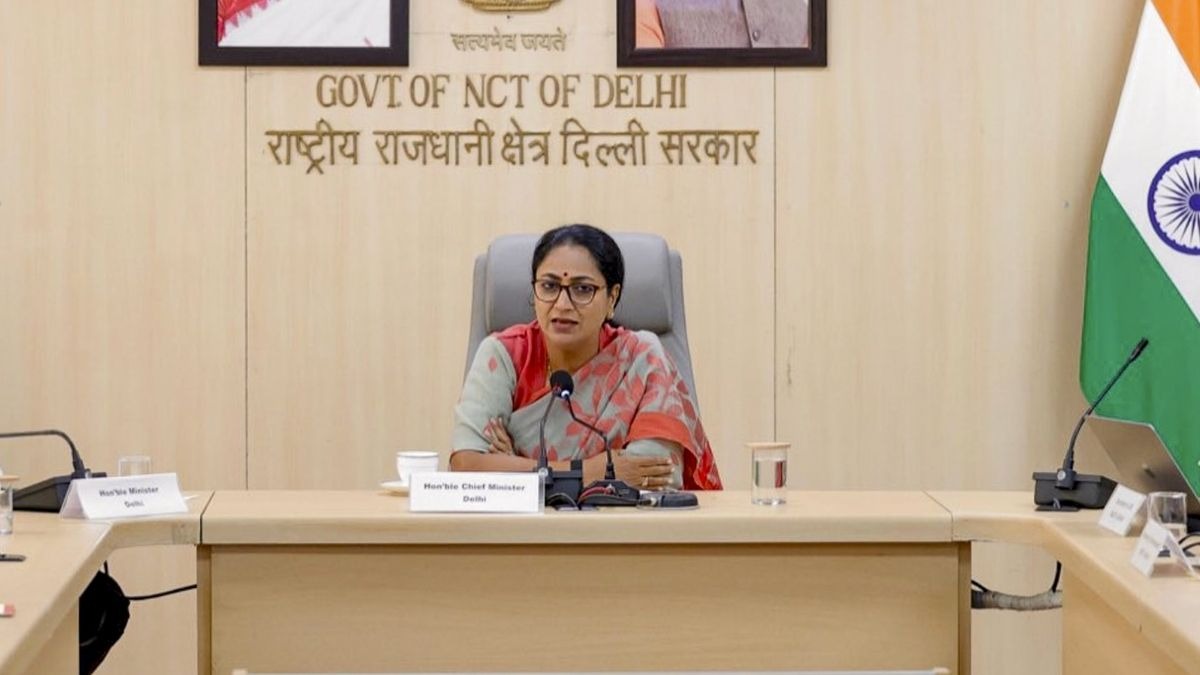
In a decisive move to overhaul student accommodation in the national capital, Delhi Chief Minister Rekha Gupta announced on Tuesday that the Delhi government has initiated plans to construct hostel facilities for 10,000 students. This initiative aims to provide safe, secure, and affordable housing for the massive influx of students arriving in Delhi for higher education.
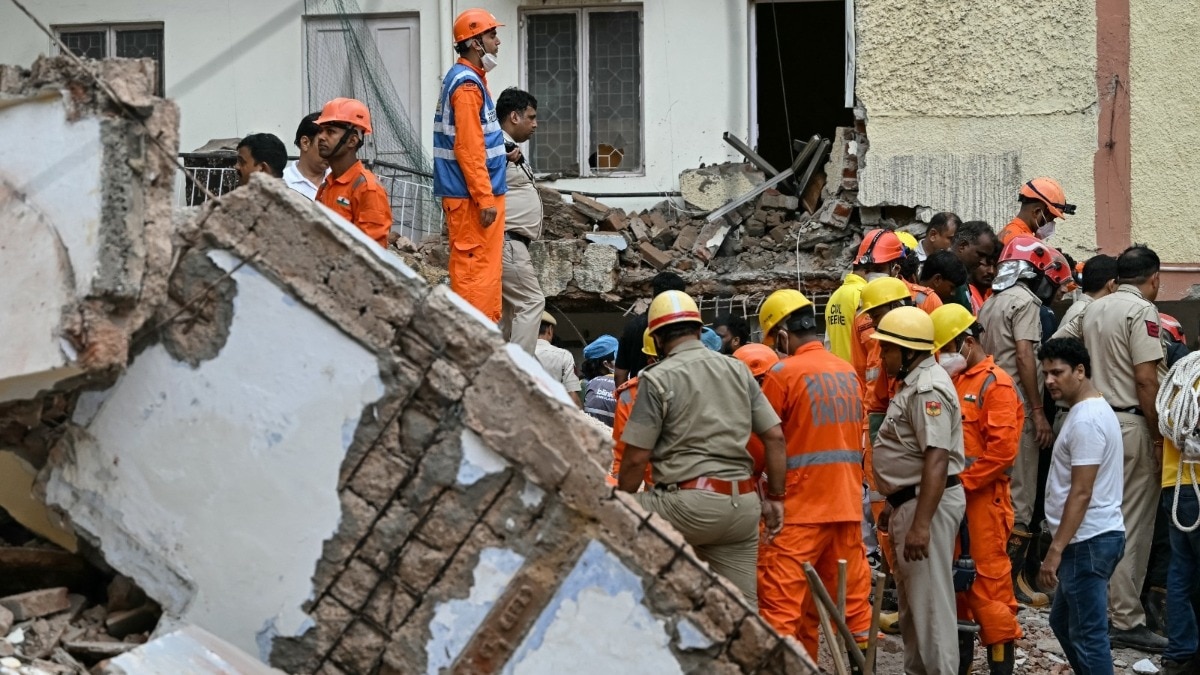
The announcement comes in the immediate aftermath of the tragic collapse of a private paying-guest (PG) building in Satya Niketan, an incident that claimed the lives of seven students. The tragedy has sparked intense debate regarding the safety regulations of private accommodations and the dire need for institutional housing.
Why This Matters
BozokMedia analysis shows that the reliance on unregulated private PGs is a systemic risk in Delhi's education hubs. While students flock to the city for prestigious institutions, the lack of institutional housing forces them into overcrowded and often unsafe private rentals. By providing state-backed hostels, the government is not just providing beds, but is actively intervening to prevent future structural tragedies.
This policy shift represents a critical transition from reactive crisis management to proactive infrastructural development for student welfare.
"If we envision Delhi as a major education hub, we must meet the need for hostels alongside colleges and universities," Chief Minister Gupta stated. She emphasized that the government is working closely with various departments to identify suitable sites and draft a comprehensive policy that covers essential amenities, food, and, most importantly, security.
Historical Background & Infrastructure Expansion
For years, the gap between student population and available hostel beds has widened. The University of Delhi (DU) has also been struggling with limited capacity. Currently, DU holds approximately 3,422 hostel seats, with its affiliated colleges providing another 3,788. Plans are underway to expand this capacity significantly to over 12,000 seats combined.
The Delhi government's 10,000-bed project is expected to complement these university-led efforts, creating a multi-layered safety net for the student community. The government's goal is to ensure that parents from across India can send their children to Delhi with complete peace of mind.
| Feature | Private PGs/Rented Rooms | Proposed Govt Hostels |
|---|---|---|
| Safety Oversight | Minimal/Unregulated | Strict Government Monitoring |
| Cost Structure | High/Variable | Affordable/Subsidized |
| Living Environment | Often Cramped | Designed for Academic Support |
Frequently Asked Questions
1. What is the primary goal of these new hostels?
The primary goal is to provide safe, affordable, and high-quality accommodation to reduce the risk associated with unregulated private housing.
2. Will these hostels be available for both genders?
Yes, the proposed facilities will include dedicated accommodations for both male and female students.