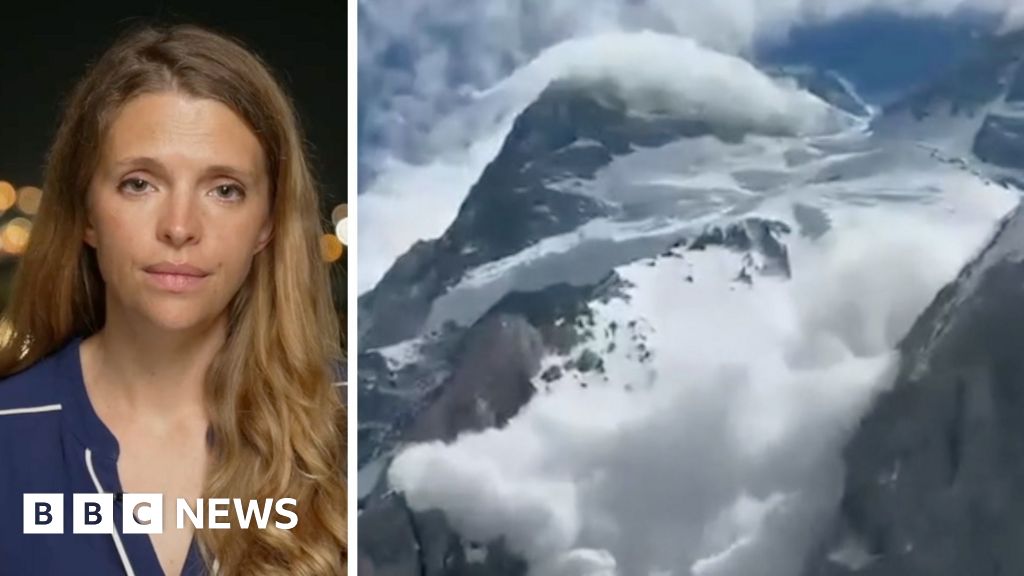
A devastating avalanche on Pakistan's Broad Peak has left seven climbers missing, with rescue teams battling extreme conditions. So far, the remains of three international climbers have been recovered, intensifying fears for those still unaccounted for amidst the perilous mountain terrain.
Key Takeaways
- Seven climbers remain missing after an avalanche struck Broad Peak in Pakistan.
- Bodies of three climbers from Oman, Nepal, and the US have been recovered.
- High-altitude rescue operations are ongoing, facing severe logistical challenges.
Seven climbers are still missing on Broad Peak, one of the world's highest mountains in Pakistan's Karakoram range, following a devastating avalanche that struck on Thursday. The incident involved a group of 10 climbers who were attempting to ascend the perilous peak when the disaster occurred. Rescue operations continued into Saturday, with teams confronting extreme altitudes and harsh weather conditions.
To date, the remains of three climbers have been recovered. They have been identified as Nadhira Ahmed Abdullah Al Harthy from Oman, Pur Bahadur Gurun from Nepal, and Mallory Geis from the United States. These tragic recoveries have significantly dimmed hopes for the remaining missing individuals, but search and rescue efforts persist despite the overwhelming challenges. The incident has once again highlighted the inherent dangers associated with scaling the world's highest mountains.
Why This Matters
BozokMedia analysis shows that Broad Peak, standing at 8,047 meters (26,401 feet), is the 12th highest mountain in the world and is considered one of the most challenging and dangerous to climb. Avalanche incidents are not uncommon on such peaks, especially with changing weather patterns. This tragedy is not only a profound loss for the mountaineering community but also underscores the increasing impacts of climate change in the Himalayan regions and the need for enhanced safety protocols in extreme mountaineering.
Mountaineering experts often warn that 8,000-meter peaks, with their unpredictable nature and extreme risks, can be lethal at every step.
The complexities of the rescue operation are immense. At such high altitudes, thin air, icy winds, and unstable snow conditions make every step treacherous for rescue personnel. Helicopter rescues are also constrained by weather conditions and altitude limitations. The international community and families of the affected nations are anxiously awaiting updates, while mountaineers worldwide mourn this tragic event.
Frequently Asked Questions
- Why is Broad Peak considered so dangerous to climb?
- What are the primary challenges in high-altitude mountaineering rescue operations?