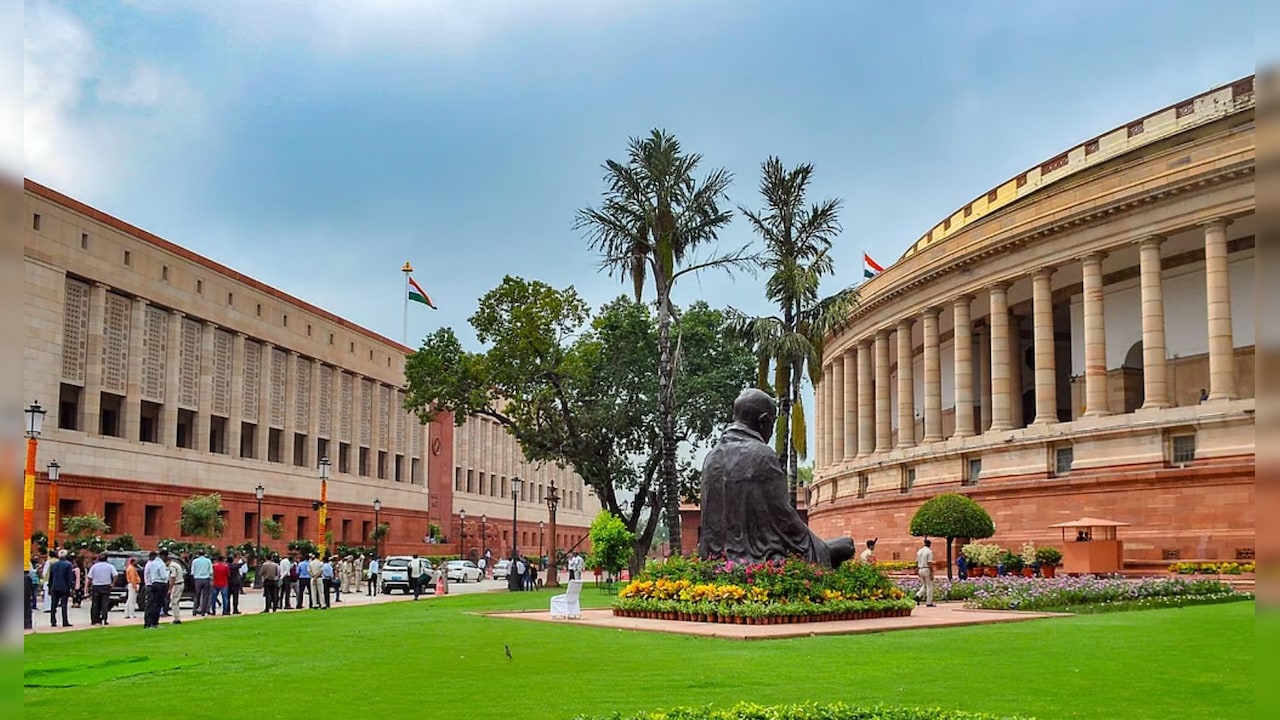
The government has scheduled the 8th Pay Commission’s Delhi consultations for August 7 and 10. These sessions will gather extensive feedback on salary reforms before final recommendations are drafted.
Key Takeaways
- Consultations slated for August 7 and 10 in Delhi
- Public input sought on final pay commission recommendations
- Potential salary structure changes expected in the coming months
The central government officially announced that the 8th Pay Commission will hold two consultation meetings in Delhi on August 7 and August 10. Representatives from various ministries, trade unions, and public interest groups have been invited to participate.
Established in 2022, the 8th Pay Commission aims to reassess the existing salary framework and propose reforms for wages, allowances, and pensions of government employees. Past commissions have historically driven significant economic and social shifts.
During the consultations, the commission will examine detailed data, economic indicators, and employee demands. Experts believe that public feedback at this stage will heavily influence the final report.
If the recommendations are adopted, millions of civil servants could see substantial pay hikes, which may also place additional pressure on public finances.
Historical Background
The previous seven pay commissions have introduced salary revisions, grade restructuring, and pension reforms at various intervals. Notably, the 7th Pay Commission (2014) overhauled the grade matrix, while the 6th (2008) focused on inflation‑linked adjustments.
Why This Matters
BozokMedia analysis shows that the outcomes of the 8th Pay Commission will not only affect government payrolls but could also reset salary benchmarks across the private sector.
"The commission’s recommendations pose a delicate balancing act between fiscal stability and social equity," says finance expert Dr. Ajay Singh.
Frequently Asked Questions
Q1: Who will attend the consultations?
A: Delegates from government ministries, union leaders, and civil society groups are invited.
Q2: When will any approved salary changes take effect?
A: Changes will be implemented after the final report receives parliamentary approval.