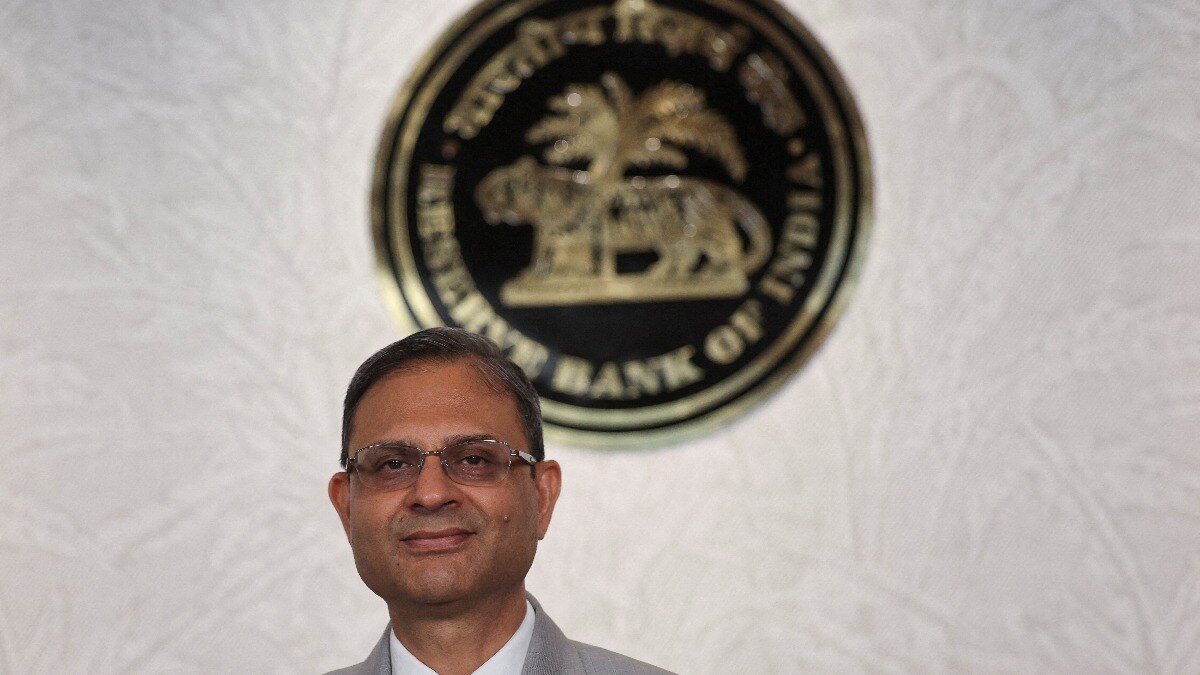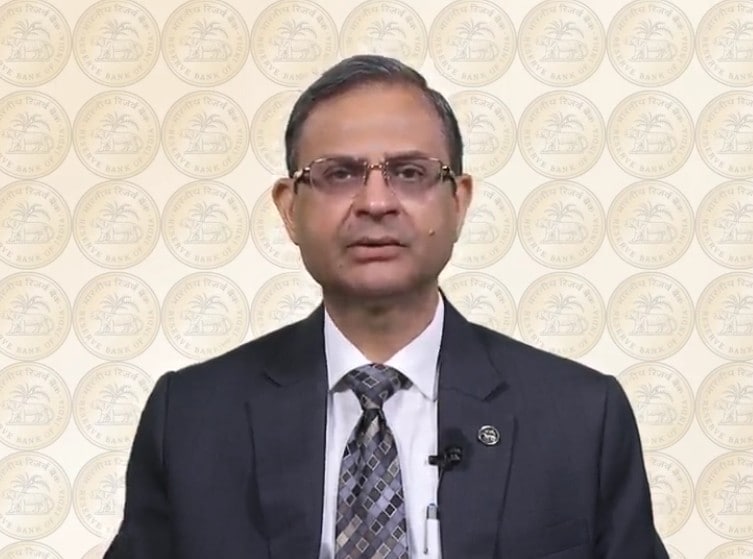
The RBI's Monetary Policy Committee left the repo rate unchanged at 5.25% as the US‑Iran conflict casts uncertainty over growth prospects, according to Governor Sanjay Malhotra.
Key Takeaways
- Repo rate remains at 5.25%
- Growth outlook hazy due to Iran conflict
- RBI highlights domestic economic resilience
RBI Governor Sanjay Malhotra stated that domestic economic activity has shown resilience despite geopolitical uncertainty. Following his remarks, the Monetary Policy Committee decided to keep the repo rate unchanged at 5.25%.
The decision comes amid the escalating US‑Iran war, which is injecting volatility into global markets. By maintaining a steady rate, the RBI aims to balance inflation control with growth support while navigating external risks.
Historical Background
Over the past two years, the RBI has adjusted the repo rate several times, most recently raising it from 5.00% to 5.25% in 2023 to curb inflation and attract foreign investment.
Why This Matters
BozokMedia analysis shows that a steady repo rate will keep borrowing costs for Indian corporations stable, encouraging capital spending and supporting the rupee in foreign exchange markets.
"Maintaining rate stability safeguards financial markets and gives businesses confidence," noted economist Dr. Rita Singh.
Frequently Asked Questions
Q1: What does a steady repo rate signify for borrowers?
A: It means the cost of borrowing from the RBI remains unchanged, ensuring loan availability at current rates.
Q2: How might the US‑Iran war affect India's economy?
A: The conflict could lead to higher oil prices and reduced export earnings, potentially slowing growth.