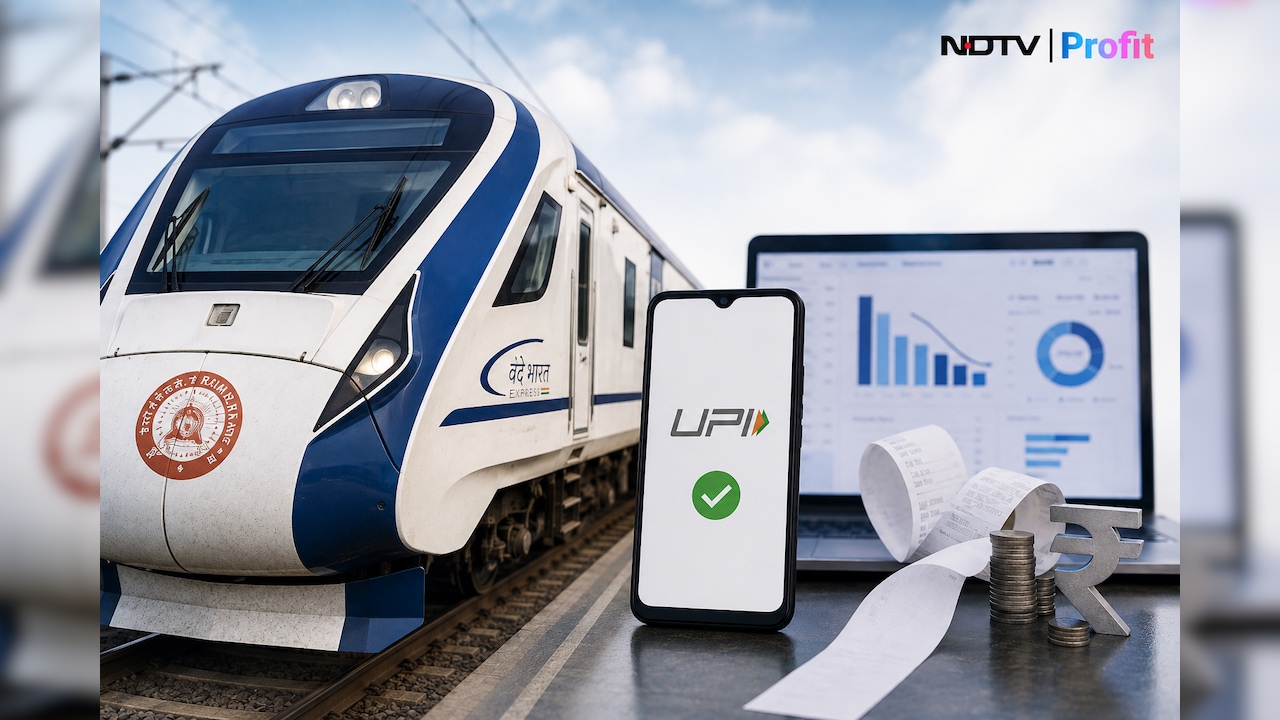
IRCTC's first‑quarter earnings expose how much the platform actually spends on "free" UPI transactions. A parliamentary panel is now urging a calibrated fee on high‑value digital payments.
Key Takeaways
- IRCTC earned higher revenue but absorbed the cost of free UPI transactions.
- Free UPI payments cost the company roughly ₹30 billion in Q1.
- A parliamentary committee recommends imposing a fee on high‑value digital payments.
IRCTC’s First‑Quarter Financial Snapshot
In its Q1 report, IRCTC highlighted a 12% rise in total revenue while noting that free UPI transactions incurred an estimated cost of about ₹30 billion, denting its profit margins.
The bulk of UPI activity falls on tickets priced above ₹500, where the lack of a transaction fee becomes a significant expense for the ticketing giant.
Historical Background
Digital payments in India took off after the launch of UPI in 2016‑17. Although promoted as a free service, the underlying infrastructure and processing fees have always been substantial, often absorbed by service providers.
Why This Matters
BozokMedia analysis shows that unchecked “free” digital transactions can erode profitability of essential services like IRCTC, pressuring them to raise fares or compromise service quality.
"If UPI transactions remain fee‑free, the financial sustainability of public‑service platforms could be jeopardized," an industry analyst warns.
Frequently Asked Questions
Q1: Will IRCTC start charging for UPI transactions?
A: No official decision has been announced yet, but the parliamentary panel’s recommendation could trigger a policy change.
Q2: How might a fee affect travelers?
A: A modest fee could translate into slightly higher ticket prices, potentially influencing the adoption of digital payments.