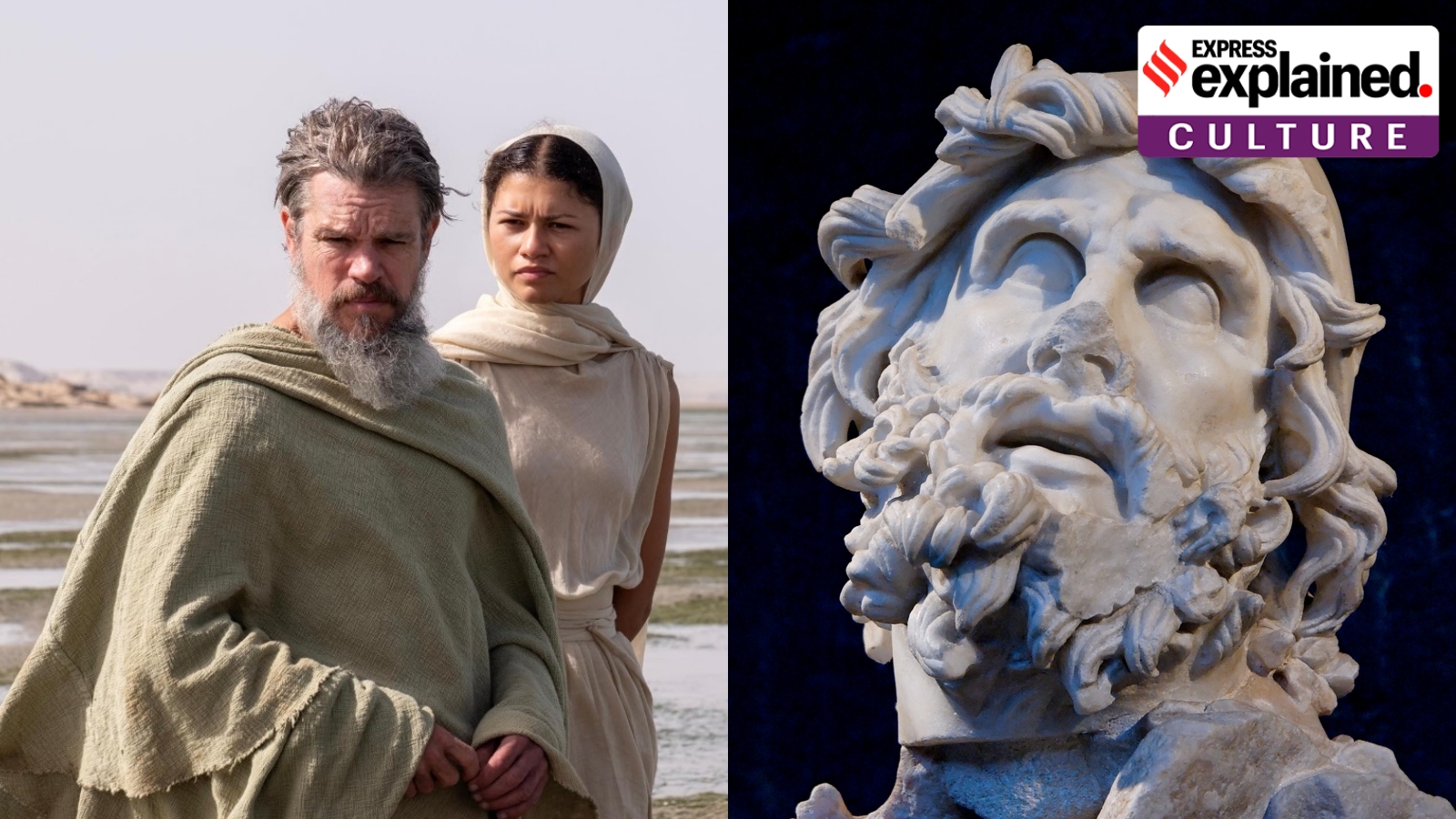
Christopher Nolan's cinematic adaptation of 'The Odyssey' has triggered a cultural renaissance, driving massive academic interest and debate across the world's leading universities.
Key Takeaways
- Nolan's film has ignited a global cultural renaissance regarding Homer's ancient epic.
- Elite institutions like Cambridge and Yale are launching specialized courses and webinars.
- Scholars are actively debating the divergence between Nolan's cinematic characterization and Homer's original text.
Christopher Nolan's 'The Odyssey' has done more than just dominate the box office; it has reignited a profound, worldwide obsession with Homer’s 3,000-year-old epic. While viewers dissect every scene on social media, the academic world is experiencing what many are calling a moment of cultural renaissance, with scholars comparing the cinematic vision to the ancient oral poetry.
A Global Academic Surge
Leading universities are pivoting their research and curricula to address the Nolan phenomenon. The University of Cambridge has opened its research collections on 'The Odyssey' and scheduled a high-profile webinar titled 'Cambridge Classicists React to Nolan’s Odyssey.' This event aims to explore the challenges of translating Bronze Age oral poetry into a modern visual medium.
At Yale University, the interest is even more structured. Professor Benedek Kruchió has been teaching 'Odyssean Receptions,' a course that traces the influence of the epic through film history—from the Coen Brothers to Nolan. This academic movement highlights the bridge between Hollywood storytelling and ancient literary genres.
Why This Matters: BozokMedia Analysis
BozokMedia analysis shows that Nolan's adaptation serves as a bridge between antiquity and modernity. By portraying Odysseus not as a cunning trickster, but as a war-weary veteran grappling with post-traumatic stress disorder (PTSD), Nolan has modernized the emotional core of the character. This shift is precisely what has triggered intense scrutiny from professors at Oxford and Princeton, turning a film release into a massive intellectual discourse.
Nolan’s interpretation challenges the very essence of the Homeric hero, forcing a re-evaluation of how we perceive ancient legends in a modern context.
The impact is also tangible in the preservation of history. The University of Manchester has partnered with Universal Pictures to showcase a rare 1,700-year-old parchment of the poem, ensuring that the cinematic hype translates into historical appreciation.
Frequently Asked Questions
1. How does Nolan's Odysseus differ from the original poem?
Nolan portrays him as a guilt-ridden war veteran with PTSD, whereas Homer's Odysseus is primarily known as a brilliant and cunning trickster.
2. Are universities actually changing their courses because of this movie?
Yes, institutions like Yale and Cambridge are actively integrating the film and its themes into their classical studies and film history curricula.


