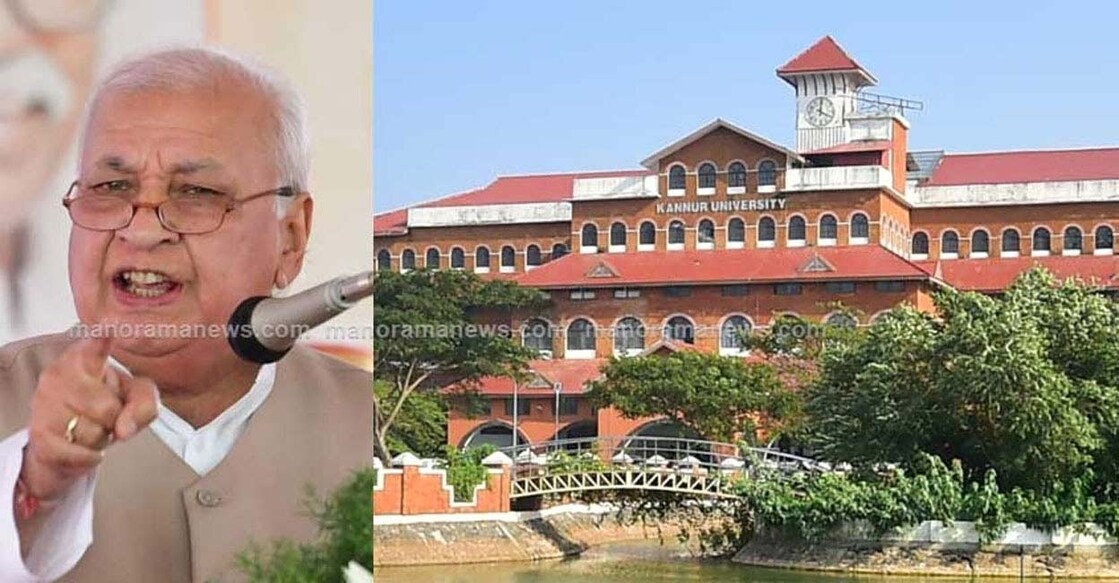
Members of the Kannur University Syndicate allege that Vice‑Chancellor K.K. Saju is making decisions without consulting the statutory body, flagging irregularities in academic appointments and questioning a senior official’s posting. They demand greater transparency and adherence to university regulations.
Members of the Kannur University Syndicate have launched a serious challenge against Vice‑Chancellor (VC) K.K. Saju, accusing him of running the university in an "undemocratic and unilateral" manner. The allegations were voiced on Wednesday by Syndicate member N. Sukanya, who said the VC has been bypassing the Syndicate despite the fact that the current Syndicate’s term has not formally expired.
Procedural lapses and lack of transparency
Sukanya contended that the formation of Boards of Studies has been deliberately delayed, and that the Chancellor’s approval was obtained for a members’ list prepared outside the Syndicate’s purview, violating university statutes. She added that the VC has neither convened a Syndicate meeting nor kept members informed of major administrative actions.
Controversial appointment of A. Praveen
The Syndicate also raised doubts over the appointment of A. Praveen as Director of the Malviya Mission Teachers Training Centre. Praveen, who originally joined as Director of Physical Education on a one‑year deputation, was suddenly elevated to head the teacher‑training centre—a move that appears to sidestep established selection procedures. According to Sukanya, Praveen faced multiple complaints, including sexual‑harassment allegations, during his tenure at Pondicherry University, with police cases still pending. Moreover, disciplinary proceedings against him, initiated in 2025, had not been concluded when he moved to Kannur University.
VC’s response and procedural clarification
VC Saju refrained from commenting in detail on the allegations, insisting that every decision was taken “strictly in accordance with rules and procedures.” He described the accusations as baseless, emphasizing that no action was taken outside the statutory framework. Regarding the Board of Studies, he clarified that the Chancellor appoints its members, while the Syndicate merely approves the nomination at its next meeting, as per prescribed procedure.
Implications for university governance
If the claims are substantiated, the episode could trigger a broader push for governance reforms across Indian higher‑education institutions. Transparency, accountability, and adherence to statutory bodies are pivotal for maintaining academic credibility. The upcoming appointment of new Syndicate members adds urgency to the matter, as stakeholders await whether the university will adopt corrective measures or continue under the current leadership.