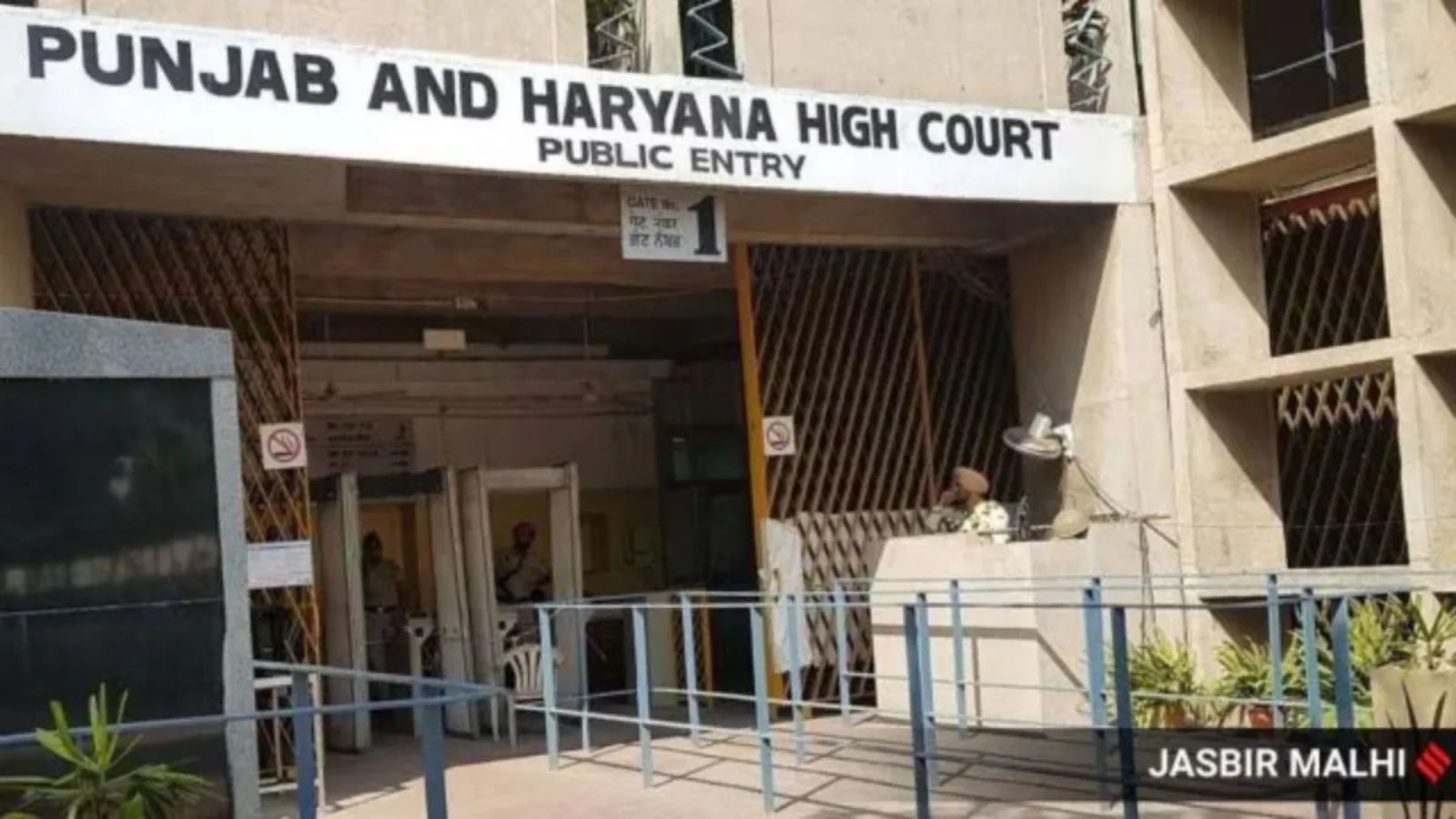
The Punjab and Haryana High Court dismissed a petition challenging Haryana’s recruitment process for 123 Assistant Professor (Chemistry) posts, affirming the state’s right to impose stricter qualifications than the UGC’s minimum standards. The bench emphasized that employers may select the best talent, provided they do not dilute the baseline criteria.
The Punjab and Haryana High Court rejected a petition that sought to quash the Haryana Public Service Commission’s (HPSC) August 2024 advertisement for 123 college‑cadre Assistant Professor positions in Chemistry. The advertisement required candidates to clear both a screening test and a Subject Knowledge Test (SKT), a departure from the University Grants Commission (UGC) 2018 regulations that prescribe only minimum qualifications.
Legal Context and Arguments
The petitioner, Renu Kumari Rohal, argued that the UGC regulations are binding on the state and that Haryana’s amendment—empowering HPSC to set its own selection criteria—violated those rules. She contended that the SKT was unnecessary because the All‑India TGC (Teaching Graduate Committee) had already evaluated subject competence.
Court’s Reasoning
Justice Harpreet Singh Brar’s bench observed, "It is the prerogative of the employer to recruit the best available talent and not merely those who satisfy the base minimum." The court clarified that the UGC norms establish a floor, not a ceiling, and that a state may impose higher standards so long as the minimum benchmark is not compromised.
The bench also held that a candidate who participates in a selection process without raising objections cannot later challenge the same process merely because of an unfavorable outcome. Such participation, the court said, amounts to acquiescence and a waiver of the right to contest procedural aspects.
Referral to a Larger Bench
Justice Brar referred two pivotal questions to a larger bench: (1) Whether a state government can prescribe qualifications higher than those stipulated by the UGC regulations, including additional screening and SKT requirements; and (2) Whether a state is legally bound to adopt the UGC regulations in their entirety. The matter has been directed to the Acting Chief Justice for constitution of an appropriate bench.
Implications
If the larger bench upholds the current ruling, it could set a precedent for states across India to tighten recruitment criteria for higher‑education positions, potentially elevating academic standards. However, the move may also raise barriers for aspiring academics, intensifying competition and possibly limiting diversity in the faculty pipeline.


