Achieving AIR 2 in the NEET-UG 2026 re-examination, Panshul Bansal emphasizes academic focus over public protests amidst exam controversies.
Key Takeaways
- Panshul Bansal secured All India Rank (AIR) 2 in the NEET-UG 2026 re-examination.
- He achieved a massive 99.9999 percentile with a score of 715.
- He prioritized academic improvement over participating in protests regarding exam cancellations.
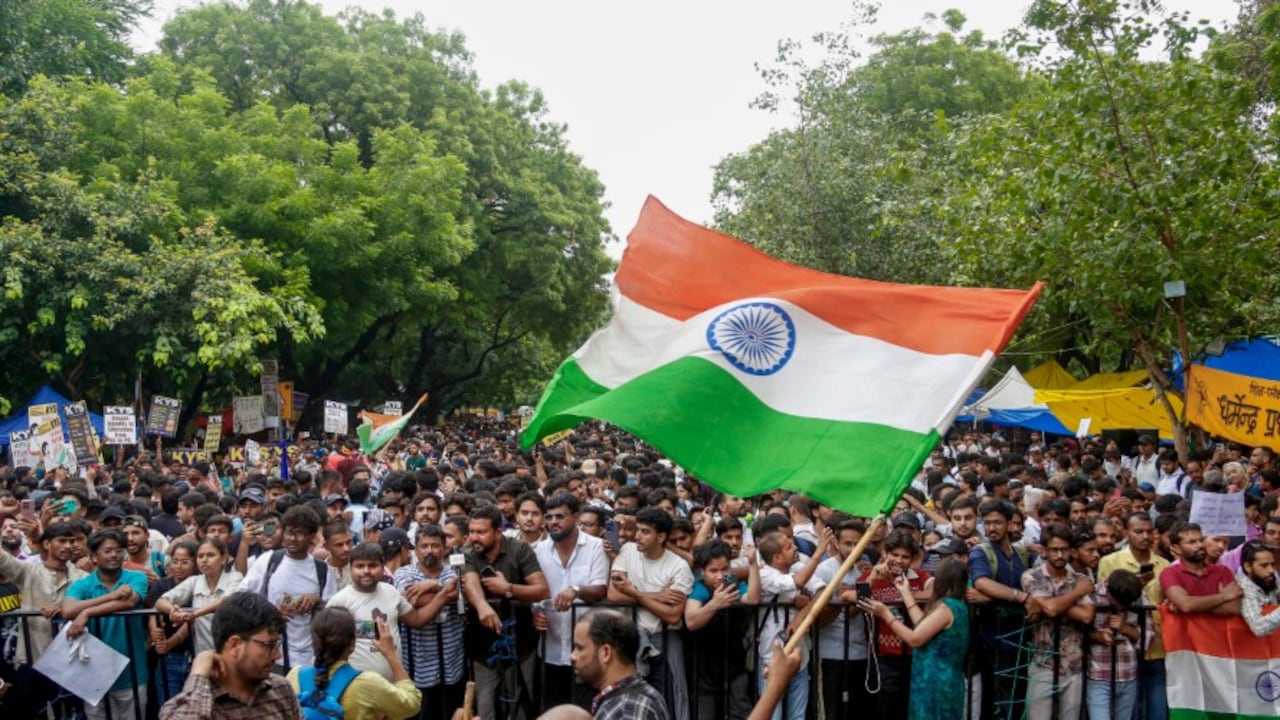
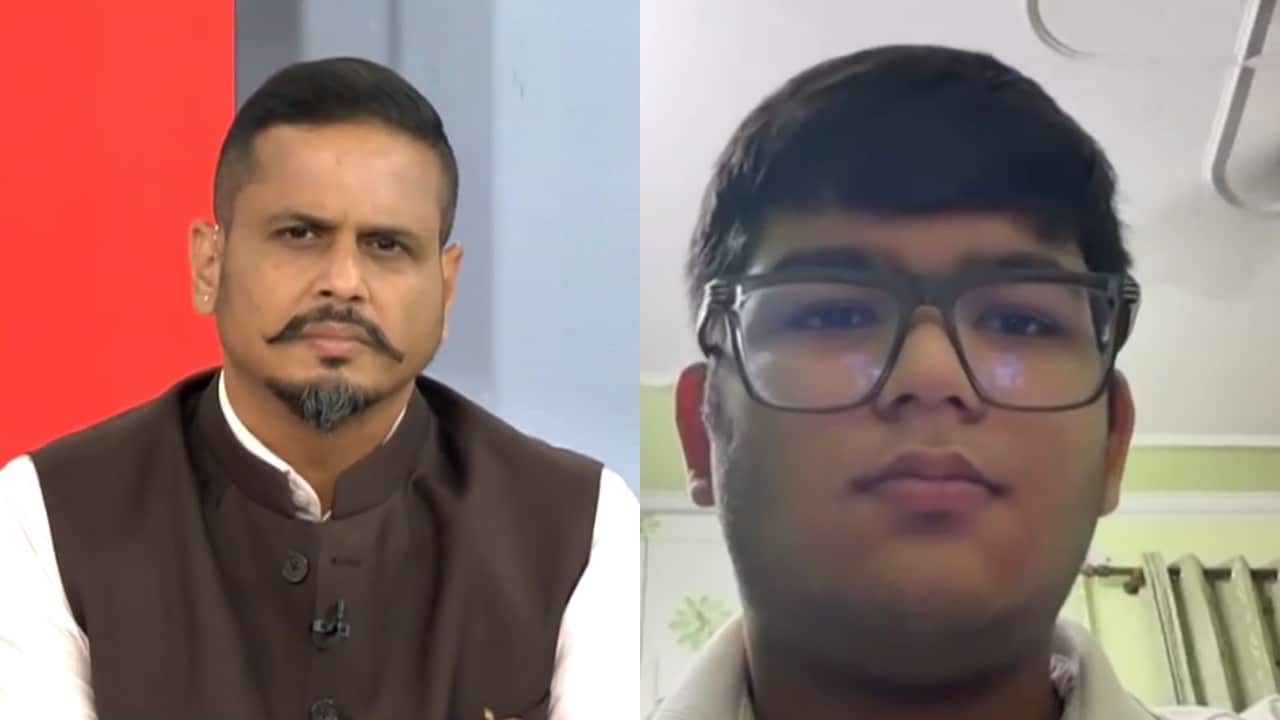
In the wake of the highly controversial NEET-UG 2026 re-examination, a standout voice has emerged from the top of the merit list. Panshul Bansal, who secured All India Rank 2 with an extraordinary 99.9999 percentile, has shared his perspective on the recent academic unrest. Speaking to NDTV, Bansal revealed that while the initial cancellation of the original exam was disappointing, he chose to channel his energy into studying rather than joining the wave of protests.
Scoring 715 marks, Bansal's performance is a testament to rigorous discipline. His statement, "Why go to protest when I could study, improve my score?", has ignited a debate among students and educators alike. Instead of letting the systemic chaos derail his preparation, he focused on mastering the syllabus, ultimately securing one of the highest ranks in the country.
Why This Matters (इसके मायने क्या हैं)
BozokMedia analysis shows that Panshul Bansal’s approach represents a significant psychological shift in how high-achievers handle systemic failure. In an era where social media activism often drives student movements, Bansal’s decision to opt for 'internal growth' over 'external protest' highlights the critical importance of individual agency. For the student community, this serves as a reminder that while systemic change is necessary, personal excellence remains the most reliable path to career stability.
Furthermore, this narrative places pressure on educational regulatory bodies. While the topper's resilience is commendable, the fact that students feel the need to choose between 'protesting for justice' and 'studying for their future' highlights a fractured educational ecosystem. The economic and social implications of such uncertainty cannot be overstated, as it affects the mental well-being and career trajectories of millions of aspirants.
Academic resilience is defined not just by what you learn, but by how you navigate the chaos surrounding the learning process.
Historical Background
The NEET (National Eligibility cum Entrance Test) has been a cornerstone of medical admissions in India, but it has frequently been mired in controversy. From allegations of paper leaks to logistical mismanagement, the exam has faced numerous legal battles and widespread student protests over the years. The 2026 re-examination was a direct consequence of these systemic failures, attempting to restore faith in the meritocratic process.
| Aspect | The Protest Route | The Bansal Route (Focus on Study) |
|---|---|---|
| Primary Goal | Systemic Reform | Personal Academic Excellence |
| Risk Factor | Loss of study time & mental fatigue | Navigating exam uncertainty |
| Outcome | Collective influence | Individual success & high ranking |
Frequently Asked Questions (अक्सर पूछे जाने वाले प्रश्न)
Question 1: What was Panshul Bansal's score in the NEET re-exam?
Answer: Panshul Bansal scored 715 marks, securing an AIR 2.
Question 2: Why did Panshul choose not to protest?
Answer: He believed that his time was better spent improving his academic score and preparing for his future rather than participating in demonstrations.