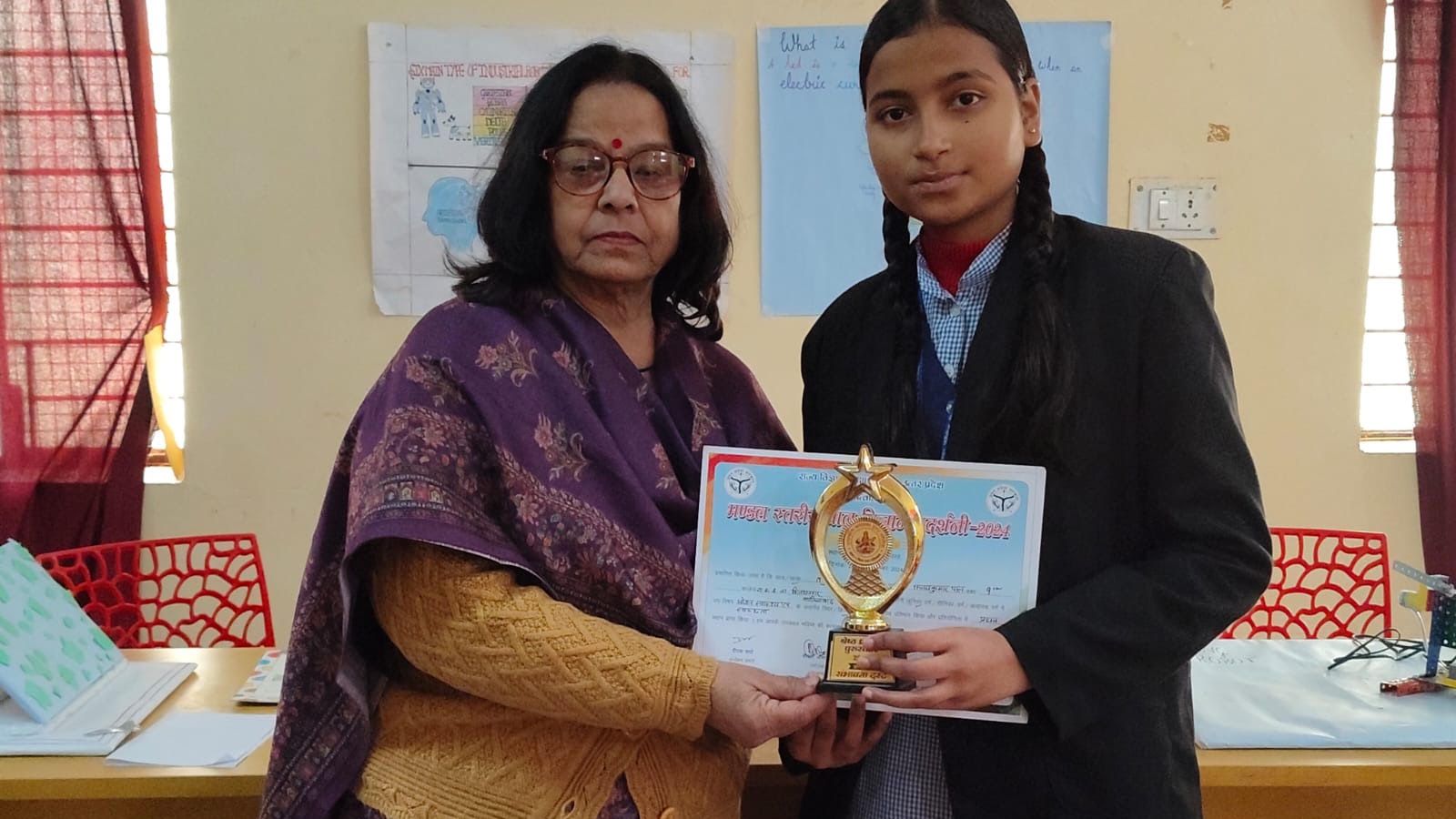
NEET topper Panshul Bansal has sparked a debate by suggesting that students should prioritize their studies over participating in protests regarding exam irregularities.
In the wake of intense scrutiny surrounding the NEET (National Eligibility cum Entrance Test), topper Panshul Bansal has emerged as a polarizing figure. Instead of focusing solely on his academic achievement, Bansal has drawn attention to his stance on the ongoing student protests. In a recent statement, he posed a provocative question to the student community: 'Why protest when you can study?'
Bansal's comments come at a time when the medical aspirant community in India is deeply divided. While many students have taken to the streets to demand transparency, better security against paper leaks, and reforms in the National Testing Agency (NTA), Bansal argues that such disruptions are counterproductive to a student's primary goal: academic excellence.
Why This Matters (इसके मायने क्या हैं)
BozokMedia analysis shows that this debate highlights a fundamental tension between individual academic pursuit and collective civic action. For many high achievers, the focus remains on navigating the system successfully, whereas for others, the system itself must be fixed before it can be navigated fairly. This divide could shape how future generations of professionals engage with institutional flaws.
From a socio-political perspective, the protests are not merely about individual grades but about the integrity of the medical profession in India. If the examination process is perceived as compromised, it affects the trust in the entire healthcare ecosystem. Bansal's viewpoint emphasizes personal responsibility, but it overlooks the systemic risks that unfair exams pose to the meritocracy itself.
The debate isn't just about studying; it's about whether the platform you are studying on is level and fair.
Historical Background
The NEET examination was introduced to standardize medical admissions across India. However, in recent years, it has been plagued by controversies involving paper leaks, alleged malpractices, and administrative lapses. These incidents have led to widespread litigation in the Supreme Court and massive protests by students demanding a more robust and transparent examination framework.
| Perspective | Core Argument |
|---|---|
| Panshul Bansal (Topper) | Focus on studies to ensure personal career success. |
| Student Protesters | Demand systemic reform to ensure fairness for all. |
Frequently Asked Questions (अक्सर पूछे जाने वाले प्रश्न)
Question 1: Why are students protesting?
Answer: Students are protesting against alleged paper leaks and demanding greater transparency in the NEET examination process.
Question 2: What is Panshul Bansal's main argument?
Answer: He believes that students should prioritize their time on studying rather than participating in social or political protests.