A presidential decree published in the Official Gazette appoints new rectors to eight universities and adds four members to the Higher Education Council (YÖK). The move marks a significant reshuffle in Turkey's higher‑education leadership.
Key Takeaways
- Eight universities receive new rectors
- Four new members appointed to YÖK
- Decisions signed by President Erdoğan and published in the Official Gazette
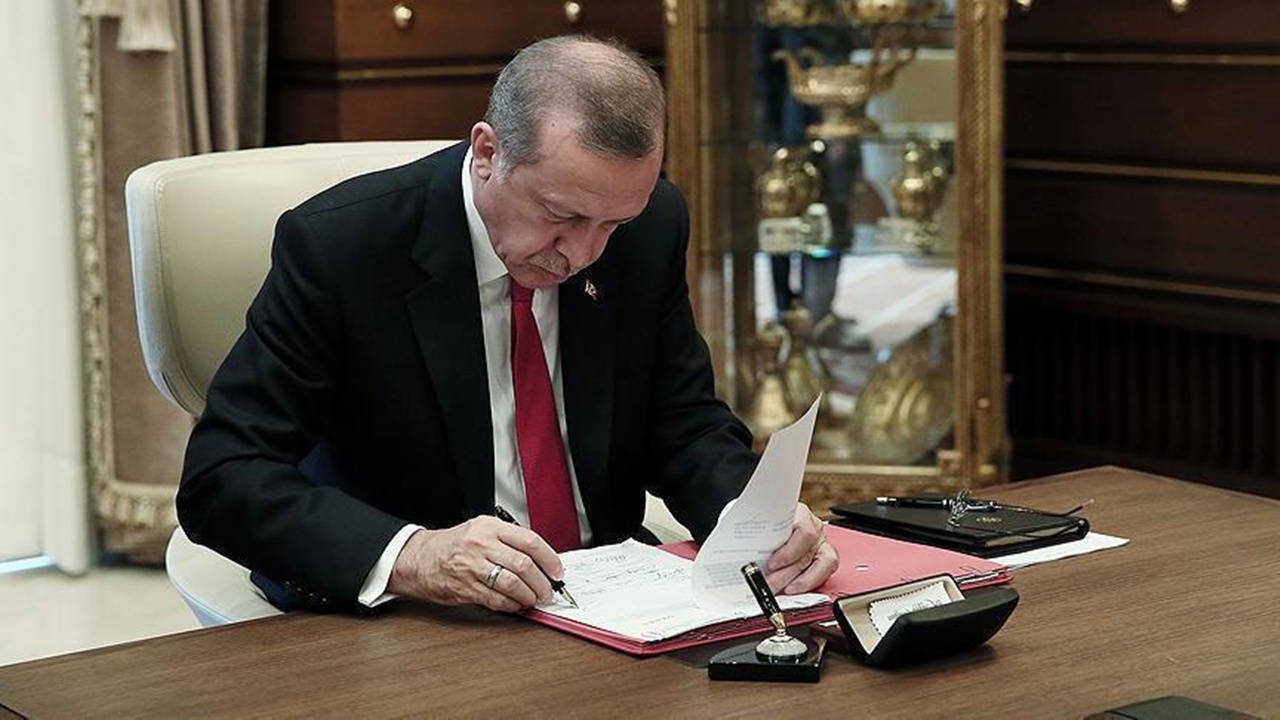
The Official Gazette released a presidential decree signed by President Recep Tayyip Erdoğan that appoints new rectors to eight Turkish universities. The institutions affected are Ankara Music and Fine Arts University, Hasan Kalyoncu University, Istanbul Gedik University, Istanbul Topkapı University, Mudanya University, Sanko University, Turkish‑German University, and Yalova University. The appointed rectors are Prof. Dr. Gülçin Yahya Kaçar, Prof. Dr. Gül Rengin Küçükerdoğan, Prof. Dr. Feriha Erfan Kuyumcu, Prof. Dr. Emre Alkın, Prof. Dr. Ahmet Kesik, Prof. Dr. Güner Dağlı, Prof. Dr. Cemal Yıldız, and Prof. Dr. Mehmet Bahçekapılı respectively.
Simultaneously, four new members were named to the Higher Education Council (Yükseköğretim Kurulu – YÖK). The appointments include President’s General Secretary Hakkı Susmaz and Prof. Dr. Mürteza Bedir as council chairs, while Prof. Dr. Kemal Şenocak and Prof. Dr. İlhan İlkılıç join as council members. These selections aim to reinforce governance standards and academic quality across Turkey’s universities.
Why This Matters
According to BozokMedia analysis, rector appointments directly shape university strategies, research priorities, and international collaborations. With fresh leadership, many institutions are poised to redesign curricula, pursue new research agendas, and expand partnerships abroad—trends that could ripple through the global academic arena and affect student mobility.
Moreover, the reshuffling of YÖK members introduces fresh perspectives into policy‑making processes. This shift is expected to improve administrative efficiency and align higher‑education policies more closely with market demands, thereby benefiting students, faculty, and industry stakeholders alike.
"The selection of new rectors is not merely a personnel change; it is a strategic maneuver that will shape the future of Turkish higher education," says education analyst Dr. Selim Ali.
Frequently Asked Questions
- When do the new rectors start their tenure? Their appointment takes effect immediately, but the official start date is set by each university’s internal calendar.
- Is the decree free from political influence? While the decree is a legal instrument, the broader political climate may indirectly shape its implementation.