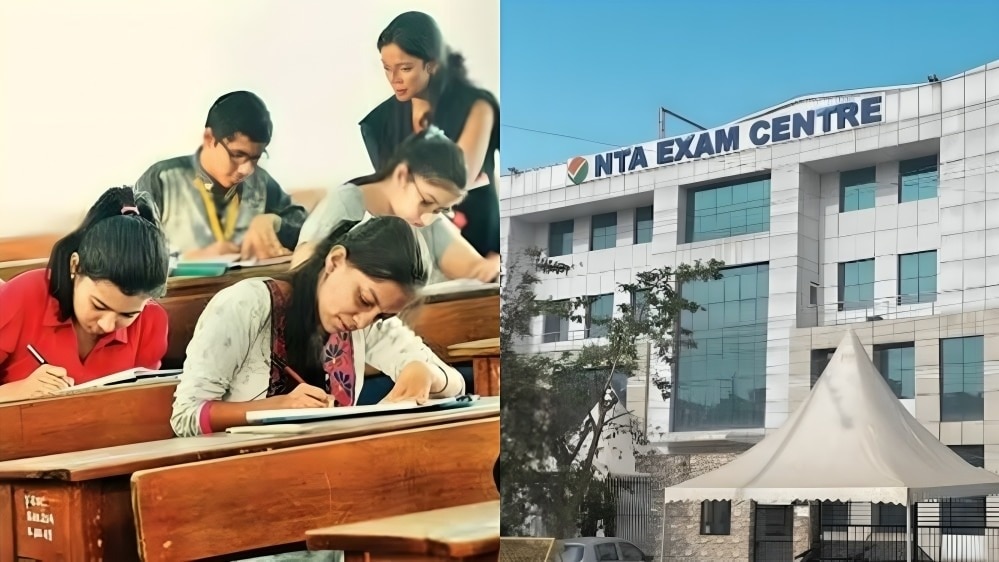
Minister K.A. Sengottaiyan credits the massive expansion of higher education in Tamil Nadu to the foundational reforms introduced by former CMs MGR and Jayalalithaa. He assured students of continued welfare support and new initiatives.
Key Takeaways
- MGR's transition to the 'Plus Two' system revolutionized collegiate access.
- Jayalalithaa's financial schemes significantly boosted female literacy and empowerment.
- TN now boasts a massive network of 492 engineering and 37 medical colleges.
- The government plans to revive the free laptop scheme and improve school uniforms.
Tamil Nadu Minister for Revenue and Disaster Management, K.A. Sengottaiyan, highlighted the profound impact of historical educational reforms on the state's current academic landscape. Speaking at an event in Kavundapadi, Erode, the Minister emphasized that the current surge in higher education is a direct legacy of the initiatives taken by former Chief Ministers M.G. Ramachandran (MGR) and Jayalalithaa.
Recalling the transformative era of MGR, the Minister noted that following a 1980 visit to Japan, the administration replaced the old pre-university course with the 'Plus Two' system. This structural shift, facilitated by then-Education Minister Aranganayagam, streamlined the transition from higher secondary schooling to collegiate studies. Furthermore, the decision to permit self-financing institutions democratized access to professional degrees.
Current Educational Infrastructure in Tamil Nadu
The scale of growth achieved through these policies is evident in the current institutional density across the state:
| Institution Type | Current Count |
|---|---|
| Engineering Colleges | 492 |
| Medical & Allied Institutions | 37 |
| Agricultural Colleges | 31 |
| Arts and Science Colleges | 273 |
Addressing women's empowerment, Minister Sengottaiyan lauded Jayalalithaa for her targeted welfare measures. Her administration introduced fixed deposits of ₹50,000 for girl children and ₹75,000 for orphaned girls, ensuring that financial instability did not derail their academic journeys. This focus on gender-inclusive education remains a cornerstone of the state's progress.
Why This Matters
BozokMedia analysis shows that Tamil Nadu's success lies in its multi-layered approach—combining structural academic reforms with grassroots accessibility tools, such as the distribution of 91 lakh bicycles to rural students to ensure school attendance.
Institutionalizing welfare through structured educational reforms is what separates successful states from developing ones.
Looking ahead, the Minister signaled upcoming improvements, including the potential revival of the free laptop scheme and the introduction of enhanced uniforms for government school students to boost their morale and confidence. He also assured the teaching community that their long-standing demands would be addressed by the government.
Frequently Asked Questions (FAQ)
1. What was the impact of the 'Plus Two' system in Tamil Nadu?
It simplified the pathway for students to move from school to higher education, replacing the cumbersome pre-university course.
2. How did the government support girl students in the past?
Through schemes providing fixed deposits to ensure financial security for their continuing education.