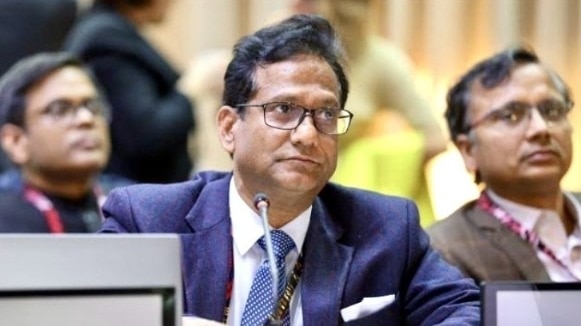
A private member's bill that would let Indian states opt out of the NEET UG exam has been listed for introduction in the Rajya Sabha. The proposal could intensify the ongoing debate over medical admissions, especially in Tamil Nadu.
Key Takeaways
- The bill seeks to grant states exemption from NEET UG.
- Introduced by Rajya Sabha MP P. Wilson.
- Highlights the persistent opposition in Tamil Nadu and other states.
Introduction
A private member's bill aiming to abolish the National Eligibility-cum-Entrance Test for Undergraduate (NEET UG) and empower states to design their own admission procedures has been listed for introduction in the Rajya Sabha today. The bill, moved by MP P. Wilson, appears as Serial Number 16 in the day's business.
Core Objective
If enacted, the legislation would allow each state government to obtain an exemption from NEET and formulate admission criteria that align with their specific policies and requirements for medical and dental courses.
Political Context
The move comes amid a heated political debate, particularly in Tamil Nadu, where the ruling DMK and several regional parties have long opposed NEET. The bill is seen as a push for greater state autonomy over medical education.
What Is a Private Member's Bill?
Private member's bills are introduced by parliamentarians who are not part of the cabinet. While rarely passed without government backing, they often serve to spark public discussion and bring alternative policy proposals to the fore.
Historical Background
NEET UG was launched in 2016 as a unified entrance exam for medical colleges across India, aiming to standardize admission criteria. Over 15 million candidates now sit for the exam annually, yet several states have continuously voiced resistance.
Why This Matters
BozokMedia analysis shows that allowing states to opt out could fragment the national medical admission framework, potentially leading to varied standards and unequal opportunities for students across India.
"If states adopt their own testing mechanisms, it could create disparities in quality and access, undermining the goal of a uniform medical education system," says education policy expert Dr. Ravi Kumar.
Frequently Asked Questions
Question 1: What is a private member's bill and how could it impact NEET?
Answer: It is a legislative proposal introduced by a non‑minister MP; if passed, it would let states exempt themselves from the NEET exam.
Question 2: How might this bill change medical admission procedures?
Answer: Each state could devise its own entrance test or selection criteria, potentially leading to a lack of uniformity at the national level.