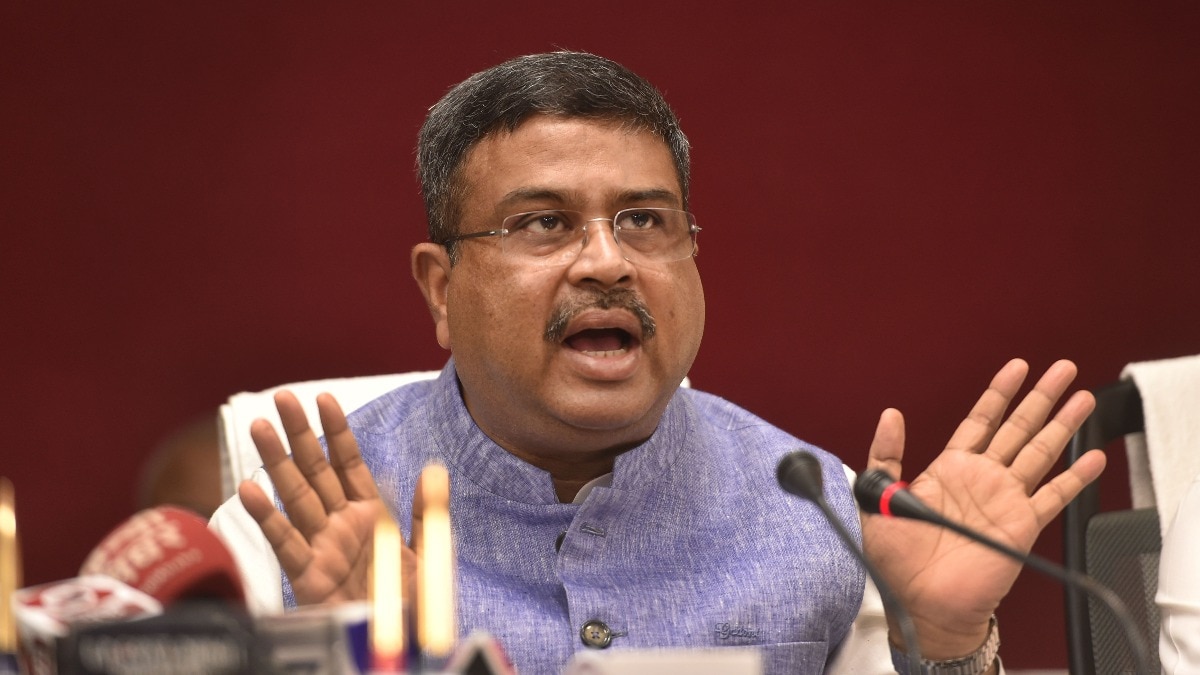
Union Education Minister Dharmendra Pradhan has resigned taking moral responsibility for recent paper leaks. As protests intensify, the focus shifts to whether India will implement systemic reforms or just change personnel.
Key Takeaways
- Union Education Minister Dharmendra Pradhan resigned following massive student protests.
- The resignation follows high-profile paper leaks in NEET and other competitive exams.
- Experts demand a complete overhaul of the National Testing Agency (NTA).
- A high-powered monitoring committee is proposed to restore public trust.
In a seismic shift in India's political landscape, Union Education Minister Dharmendra Pradhan resigned on Saturday afternoon. Taking 'moral responsibility' for the recurring paper leaks that have rocked the nation, Pradhan's exit marks a critical juncture for the country's education sector. However, the resignation is not the end of the road; it is the beginning of a much larger battle for institutional integrity.
5 Immediate Reforms Required
BozokMedia analysis shows that simply replacing a minister will not solve the deep-seated issues within the examination infrastructure. To restore faith, the following five shifts are non-negotiable:
- NTA Overhaul: The National Testing Agency (NTA) faces calls for total dissolution or a massive structural revamp to ensure institutional memory and accountability.
- Tamper-Proof Pipeline: The entire lifecycle of a question paper—from printing to delivery at remote centers—must be secured via advanced cybersecurity protocols.
- Transparent Evaluation: Moving away from opaque marking systems, like the recent CBSE controversy, towards real-time, transparent evaluation processes.
- Independent Oversight: Establishing a standing committee comprising retired judges, forensic scientists, and cybersecurity experts to monitor sensitive exams.
- Addressing Unemployment: The crisis is fueled by the scarcity of secure jobs; reform must address the socio-economic anxiety of the youth.
The crisis in India's examination system is not just a technical failure; it is a profound crisis of trust between the state and its youth.
Why This Matters
The protests, which transitioned from satirical social media campaigns like the 'Cockroach Janta Party' to massive rallies at Jantar Mantar, represent a growing frustration among India's Gen Z. With activists like Sonam Wangchuk leading hunger strikes, the government is under immense pressure to prove that meritocracy still exists in the Indian education system.
Frequently Asked Questions
1. Why did Dharmendra Pradhan resign?
He resigned taking moral responsibility for the widespread paper leaks in exams like NEET.
2. What is the main demand of the protesters?
Protesters are demanding a complete overhaul of the NTA and a more transparent, secure examination process.

