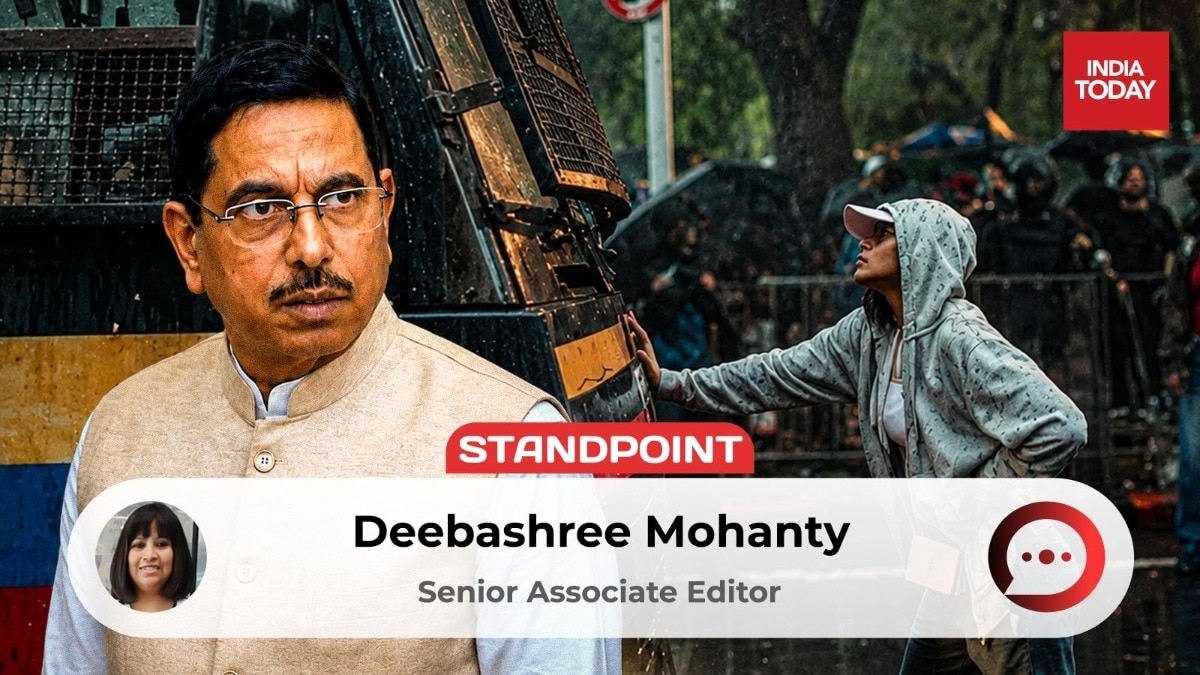
During his five‑year stint, Dharmendra Pradhan accelerated the rollout of NEP‑2020, launching multiple reforms while grappling with implementation gaps. This report examines his flagship initiatives, controversies, and the challenges awaiting his successor.
Key Takeaways
- Accelerated NEP 2020 rollout, yet equity gaps persist
- Nipun Bharat mission shows measurable gains in literacy
- Teacher standards and industry‑education convergence still face hurdles
Dharmendra Pradhan left the education ministry under a cloud, but his five‑year term was marked by an intense push to operationalise the National Education Policy 2020 (NEP). Key moves included the National Curriculum Framework, flexible learning, the three‑language formula, and the launch of the Vikshit Bharat Shiksha Abhiyan.
In response to pandemic‑era learning losses, the government introduced Nipun Bharat – a mission aimed at ensuring every child attains foundational literacy and numeracy by the end of Grade 3, by 2026‑27. ASER 2024 reported a seven‑point rise in numeracy since 2018, and PARAKH 2024 found that early‑grade beneficiaries outperformed older students in language and math, yet only a quarter of students can read Grade‑2 text, signalling implementation gaps.
The inaugural National Professional Standards for Teachers (NPST) attempted to classify teachers into aspirant, proficient, expert, or lead, linking career progression to these tiers. However, rollout delays and low awareness among the country’s one‑crore teachers have limited its impact.
Controversy surrounded the 2025 draft UGC regulations, which gave governors a decisive say in vice‑chancellor appointments and removed caps on contractual professorships. Meanwhile, the new undergraduate and postgraduate degree rules promoting flexibility and multidisciplinary study have been in force since the 2025 academic year, but many state institutions still struggle with credit‑transfer mechanisms.
On the education‑skilling convergence front, the Swayam Plus platform now offers over 500 industry‑designed courses across 15 sectors, including the “AI for All” series. IIT Madras Dean R. Sarathi reports 6.5 lakh registrations and more than 1 lakh participants in AI‑ML courses, reflecting growing acceptance of industry credits by academic institutions.
Why This Matters
BozokMedia analysis shows that the alignment of education with skill‑development will shape India’s economic competitiveness; therefore, Pradhan’s policies have far‑reaching implications for the nation’s future.
"Successful NEP implementation hinges on balancing state autonomy with central oversight," notes education scholar Dr. Anjali Singh.
Frequently Asked Questions
Q1: What changes are expected in the next phase of Nipun Bharat?
A: The mission aims to extend its target to 2030, covering all Grade‑5 students with foundational literacy and expanding digital learning resources.
Q2: How will the new UGC regulations affect private universities?
A: While the flexibility allows private institutions to design multidisciplinary courses, reduced regulatory scrutiny could lead to quality disparities.